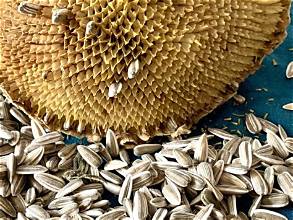
Turkey is looking for alternative sources of sunflower seed as uncertainty over supplies from traditional Black Sea suppliers creates new challenges for the country’s vegetable oil industry. The search for additional suppliers comes as Turkey prepares for another year of substantial sunflower-seed import requirements.
According to forecasts from the USDA Foreign Agricultural Service, Turkey’s sunflower-seed imports for the 2026–27 marketing year are expected to reach around 1.8 million tonnes. The projected volume underlines Turkey’s continued dependence on international supplies to meet the needs of its crushing and food-processing industries.
Black Sea Supply Risks
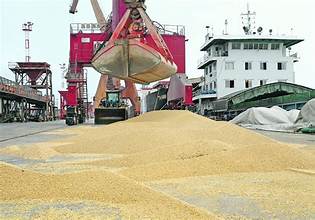
Turkey has traditionally relied heavily on countries around the Black Sea for sunflower seeds and related agricultural commodities. The region is a major production and trading hub for sunflower, making it an important source for Turkish processors.
However, potential restrictions affecting traditional suppliers are creating uncertainty over future shipments. Any disruption in the availability or movement of sunflower seed could increase competition among importers and encourage Turkish companies to expand their sourcing networks.
The situation is particularly important for the country’s oilseed-processing sector, which requires a steady supply of sunflower seed throughout the marketing year.
Import Demand Remains Strong
Turkey is one of the world’s important markets for sunflower products. Domestic production contributes significantly to the country’s requirements, but local output is not always sufficient to meet demand from processors and consumers.
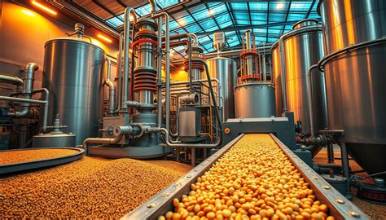
Sunflower seeds are crushed to produce sunflower oil and sunflower meal. Oil is widely used in food preparation, while the meal provides protein for livestock feed.
The expected 1.8 million tonnes of imports therefore represents a significant requirement for the Turkish market. Importers may increasingly look toward suppliers outside the traditional Black Sea trade routes if restrictions affect availability.
Potential New Suppliers
Turkey’s search for alternative sources could create opportunities for sunflower-producing countries in other regions. Depending on price, crop availability, freight costs and trade regulations, exporters outside the Black Sea region could gain greater access to the Turkish market.
However, shifting supply chains is not straightforward. Sunflower seeds are a relatively bulky agricultural commodity, meaning transportation costs can play a major role in determining whether supplies from distant markets are commercially viable.
Turkish buyers will therefore need to balance supply security against price competitiveness when selecting alternative origins.
Implications for the Global Sunflower Market
Turkey’s increased search for alternative suppliers could influence international sunflower-seed trade flows. If Turkish importers move significant volumes toward new origins, competition for available supplies could increase in those markets.
The development could also affect prices of sunflower seed, sunflower oil and sunflower meal, particularly if supply disruptions occur simultaneously with strong demand from other importing countries.
For exporters, Turkey’s import requirement represents an important commercial opportunity. For Turkish processors, however, securing reliable supplies at competitive prices will remain the central challenge.
Outlook for 2026–27
With sunflower-seed imports projected at approximately 1.8 million tonnes, Turkey is expected to remain a major participant in the global oilseed market during the 2026–27 marketing year.
The country’s sourcing strategy will largely depend on developments in the Black Sea region, international prices, freight costs and the availability of alternative supplies.
As uncertainty continues around traditional supply routes, Turkey’s efforts to diversify its sources could gradually reshape regional sunflower-seed trade and strengthen links with producers outside its established supplier network.

 By
By