Kazakhstan’s grain harvest has moved close to the 20-million-tonne mark, highlighting the resilience of the country’s agricultural sector despite challenging weather conditions in several major farming regions.
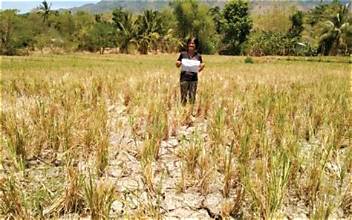
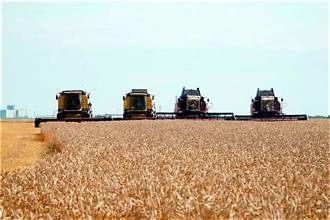
By late September, farmers across Kazakhstan had harvested approximately 19.9 million tonnes of grain. The progress comes despite relatively dry conditions that raised concerns about crop development and field productivity during parts of the growing season.
The latest harvest figures indicate that Kazakhstan is on track for another substantial grain crop and could maintain its role as one of the leading grain suppliers in the Central Asian region.
Harvest Progress Gains Momentum
Grain harvesting has accelerated across Kazakhstan as farmers take advantage of favorable conditions for field operations in different parts of the country. Wheat accounts for a significant share of Kazakhstan’s grain production and remains the country’s most important crop for both domestic consumption and exports.
The scale of the harvest is particularly important for Kazakhstan because grain production plays a central role in the country’s agricultural economy. A strong harvest provides supplies for domestic food and feed requirements while also supporting export opportunities.
Despite the dry weather experienced in some areas, farmers have managed to maintain substantial production levels. Agricultural authorities continue to monitor crop quality, yields and remaining harvest areas as the season progresses.
Kazakhstan’s Role in Regional Grain Trade
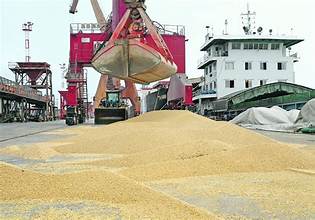
Kazakhstan has established itself as an important grain supplier to neighboring Central Asian countries. Its large agricultural areas, combined with established transport and trading networks, allow the country to move wheat and other grains into regional markets.
Countries across Central Asia depend on imports to supplement their domestic grain supplies in some years. Kazakhstan’s production therefore has implications beyond its own borders.
A relatively strong 2026 harvest could provide Kazakhstan with greater flexibility to meet domestic demand while maintaining export shipments to regional buyers.
Weather Remains a Key Factor
Weather conditions will remain an important factor until the harvest is fully completed. Dry conditions can affect grain yields and quality, while late-season weather can influence harvesting speed and post-harvest handling.
For farmers, timely harvesting is particularly important because delays can increase the risk of crop losses and quality deterioration.
The near-20-million-tonne harvest already recorded suggests that the impact of dry conditions has not prevented Kazakhstan from achieving a significant level of grain production this year.
Outlook for the 2026 Crop
Agricultural officials expect Kazakhstan’s total 2026 grain harvest to remain above the country’s longer-term average, although the final figure will depend on the remaining harvest and final production assessments.
A strong crop could strengthen domestic grain availability and support Kazakhstan’s export position at a time when global grain markets remain sensitive to weather, production levels, trade policies and regional demand.
The final harvest figure will be closely watched by grain traders and buyers across Central Asia. Any increase in exportable supplies could help Kazakhstan maintain regular shipments to neighboring markets.
For Kazakhstan’s farmers, the progress toward a 20-million-tonne harvest represents an important milestone. Despite dry conditions, the country’s grain sector continues to demonstrate its importance to both the domestic agricultural economy and the wider food supply system of Central Asia.

 By
By