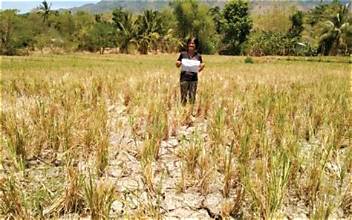
The Philippines is expected to face continued pressure on domestic rice production during the 2026–27 marketing year, as unfavorable weather conditions linked to El Niño and rising fertilizer costs weigh on farmers’ planting decisions.
According to estimates from the USDA Foreign Agricultural Service, Philippine milled-rice production is projected at approximately 12.25 million tonnes in 2026–27, down from an estimated 12.36 million tonnes in the previous year.
The decline is relatively modest, but it comes at a time when the country continues to rely heavily on imports to maintain adequate domestic rice supplies.
El Niño Raises Production Risks
Moderate-to-strong El Niño conditions are expected to create additional challenges for rice farmers. Reduced rainfall and higher temperatures can affect planting schedules, crop establishment and yields, particularly in areas dependent on rainfall or with limited irrigation facilities.
Farmers may become more cautious about planting when weather conditions are uncertain. Lower expected returns combined with increased production risks can reduce the area planted to rice.
The impact of El Niño is therefore not limited to crop yields. It can also influence farmers’ decisions about how much land to cultivate and when to begin planting.
Higher Fertilizer Costs Add to Farmers’ Challenges
Rising fertilizer costs are another factor affecting the economics of rice production.
Fertilizer is an important input for achieving high rice yields, but higher prices increase production expenses. When expected crop returns are insufficient to compensate for increased input costs and weather risks, farmers may reduce their investment or shift planting decisions.
The combination of expensive inputs and uncertain weather is creating additional pressure on the Philippine rice sector.
Imports Expected to Increase
To compensate for the expected shortfall in domestic production, Philippine rice imports are forecast at around 5.2 million tonnes during 2026–27.
The projected import volume highlights the important role of international markets in maintaining rice availability in the country.
Higher imports could help ensure adequate supplies for consumers if domestic production falls short of demand. However, greater dependence on imported rice also exposes the Philippine market to changes in international prices, freight costs, exchange rates and export policies of major rice-producing countries.
Global Rice Trade Remains Important
The Philippines is one of the world’s major rice-importing countries, making its purchasing decisions important for international rice markets.
Large import requirements can influence global trade flows and provide significant demand for exporting countries in Asia and other rice-producing regions.
For international suppliers, the Philippines is therefore an important market to monitor during the 2026–27 season.
Outlook for Philippine Rice
The country’s rice sector will be closely watched as the effects of El Niño develop and farmers make planting decisions for upcoming crops.
Government measures related to irrigation, fertilizer availability, farm support and rice imports could influence the final production and supply situation.
With domestic milled-rice production projected at 12.25 million tonnes and imports expected at 5.2 million tonnes, international trade is likely to remain an important component of Philippine rice supply during the coming marketing year.
The key challenges for farmers will be managing weather risks and rising production costs, while policymakers will need to balance domestic production support with the need to maintain stable and affordable rice supplies for consumers.

 By
By