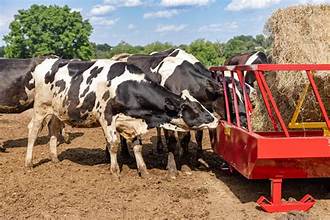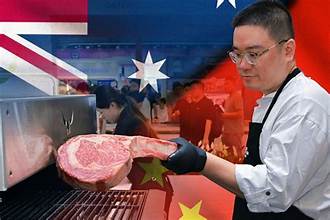
China is set to begin applying an additional 55% tariff on Brazilian beef shipments that exceed the country’s annual import quota, creating a new challenge for Brazil’s meat exporters and potentially reshaping international beef trade flows.
The additional duty will take effect from October 1, 2026, after Brazil reached its annual quota for beef exports to the Chinese market. China had introduced the safeguard mechanism to protect its domestic cattle and beef industry from rising imports.
For 2026, China allocated Brazil a beef import quota of approximately 1.106 million tonnes. Beef entering China within the allocated quota continues to face the applicable standard import tariff, while volumes above the quota are subject to the additional 55% charge.
Higher Cost for Shipments Beyond the Quota
The new measure significantly changes the economics of Brazilian beef exports to China. With the existing import duty standing at 12%, shipments outside the quota can face a combined tariff burden of around 67%.
Such a high duty could make additional Brazilian shipments considerably less competitive in the Chinese market and encourage importers to consider alternative suppliers.
Brazil has traditionally been one of China’s most important beef suppliers. The two countries have developed a major agricultural trade relationship, with China accounting for a substantial share of Brazil’s beef exports.
Brazil Looks Toward Other Markets
The quota restriction is prompting Brazilian exporters to examine opportunities in other international markets. Redirecting surplus beef could become increasingly important if shipments to China remain commercially difficult after the quota is exhausted.
Brazil has also explored whether unused quota volumes from other countries could be made available to its exporters. However, industry sources indicate that China has not agreed to such arrangements for the current quota year.
The issue is significant because Brazil exported substantially more beef to China in 2025 than the quota established for 2026. The lower quota means exporters have to manage their shipments more carefully and identify alternative destinations for volumes that cannot enter China under favorable tariff conditions.
Impact on Global Beef Trade
China’s decision could influence the international beef market beyond Brazil. If Brazilian exporters redirect part of their production toward other countries, competition could increase in markets across Asia, the Middle East and other regions.
At the same time, Chinese importers may increase purchases from suppliers with available quota capacity or competitive pricing. Countries such as Argentina, Uruguay, New Zealand, Australia and the United States are among the suppliers covered by China’s broader beef import safeguard system.
The development therefore has implications for global beef prices, shipping patterns and competition among major meat-exporting nations.
Brazilian Beef Industry Faces a New Challenge
Brazil’s beef industry now faces the task of balancing its strong relationship with China with the need to diversify export destinations. Industry representatives have previously warned that Chinese trade restrictions could weigh on Brazil’s overall beef exports during 2026.
The immediate focus will be on how Chinese buyers respond to the higher cost of beef arriving outside the quota and how quickly Brazilian exporters can develop alternative markets.
China’s policy is currently scheduled as part of its broader safeguard framework for beef imports. Future quota levels and trade rules will therefore remain closely watched by exporters, importers and livestock producers.
For Brazil, the development marks an important shift in one of its biggest beef export markets. For the global meat industry, it could lead to new trade routes, greater competition among exporters and changes in the distribution of Brazilian beef across international markets.

 By
By