The Food and Agriculture Organization of the United Nations (FAO) is placing greater emphasis on reliable agricultural data as a key tool for reducing food loss and improving the efficiency of food supply chains.
The focus comes as FAO marks the International Day of Awareness of Food Loss and Waste on September 29, highlighting the need for countries to better understand where and why food is being lost from farms to markets. FAO has also released new guidelines on measuring harvest and post-harvest losses in horticultural crops.
New Guidelines for Horticultural Crops
The new guidelines are designed to help countries develop more consistent methods for measuring losses in fruits and vegetables at both on-farm and off-farm stages.
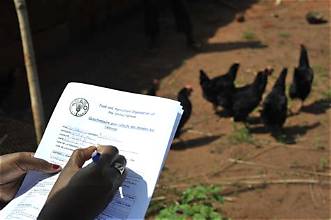
FAO says the methodology provides statistical tools that can be used to estimate losses at national and subnational levels. The approach is based on sample surveys and is intended to generate data that can help governments identify where losses are occurring and develop targeted interventions.
Accurate measurement is particularly important for horticultural products because fruits and vegetables can deteriorate rapidly after harvest. Poor handling, inadequate storage, transportation problems, grading, packaging and delays in marketing can all contribute to losses.
Data Can Identify Loss Hotspots
FAO says better data can help policymakers move beyond broad estimates and identify specific stages of the supply chain where interventions are needed.
The organization’s food-loss measurement framework covers stages including harvesting, on-farm handling, transportation, storage, wholesale and processing. Different data-collection methods can be used depending on the commodity and the purpose of the assessment.
Once the main sources of loss are identified, governments and supply-chain businesses can focus investments on areas such as improved storage, transportation infrastructure, post-harvest technologies and better handling practices.
Global Food Loss Remains a Major Challenge
FAO estimates that 13.3% of food was lost globally after harvest in 2023, covering stages such as farming, transportation, storage, wholesale and processing. The organization says there has been no clear global improvement in reducing food losses since monitoring began in 2015.
Food loss also represents a significant economic and environmental challenge. Resources including land, water, energy, labor and agricultural inputs are used to produce food that may never reach consumers.
Reducing losses can therefore increase the effective availability of food without requiring equivalent increases in agricultural production.
Importance for Farmers and Food Security
For farmers, reducing post-harvest losses can mean more of the crop reaches the market and generates income. Better measurement can also help identify whether losses are caused by harvesting practices, storage conditions, transportation or market-related delays.
For governments, reliable data can support more targeted policies and investments, particularly in countries where post-harvest infrastructure remains limited.
FAO also links food-loss reduction with wider goals related to food security, nutrition, farmer incomes and environmental sustainability.
Toward More Efficient Food Systems
The new guidelines form part of FAO’s wider effort to strengthen measurement and monitoring of food loss and waste. The organization’s technical platform maintains a large database of food-loss information and provides tools intended to help countries understand loss patterns across different commodities and supply-chain stages.
The message from FAO is that reducing food loss begins with knowing where the losses occur, how large they are and what causes them.
Better agricultural data can provide that foundation, allowing countries to direct technology, infrastructure and investment toward the points in the food chain where they can have the greatest impact.

 By
By