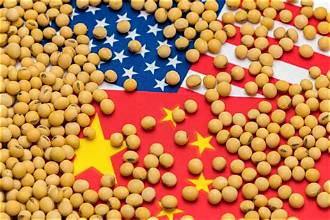
China and the United States have agreed on reciprocal tariff reductions covering about $60 billion worth of goods, but one of the most important U.S. agricultural exports—soybeans—has been left out of China’s tariff-reduction list.
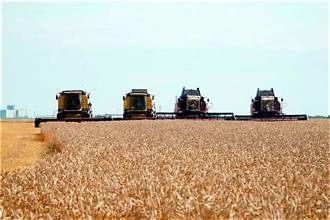
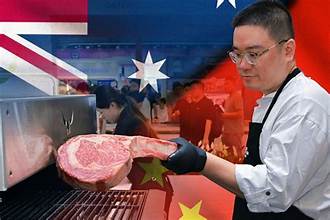
Under the framework, each country has proposed around $30 billion of non-sensitive products for more favorable tariff treatment. China’s list includes a broad range of U.S. agricultural commodities, including corn, wheat, sorghum, meat, dairy products, vegetable oils and soybean meal. However, whole soybeans are notably absent.
Soybeans Remain a Key Trade Issue
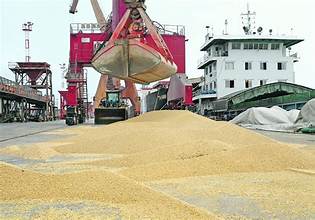
The exclusion is significant because soybeans are one of the largest U.S. agricultural exports to China. In 2025, U.S. soybean exports to China were valued at approximately $16.2 billion, making the crop an important component of the bilateral agricultural trade relationship.
The continued tariff burden means U.S. soybeans remain at a competitive disadvantage compared with supplies from major exporters such as Brazil and Argentina. According to S&P Global, China currently applies a total import duty of about 13% on U.S. soybeans, compared with the standard 3% most-favored-nation tariff applied to Brazilian soybeans.
Other U.S. Farm Products Get Relief
The tariff package nevertheless provides potential relief for several U.S. agricultural sectors. China’s proposed list includes products ranging from grains and meat to dairy, vegetable oils and meals.
The two countries have also agreed to establish an agricultural working group aimed at addressing market-access barriers and expanding agricultural trade. The broader tariff arrangement is part of efforts to stabilize trade relations after months of uncertainty.
More than 90% of the products included in the reciprocal lists are expected to move toward normal most-favored-nation tariff treatment, although the precise implementation schedule remains subject to domestic procedures.
U.S. Soybean Exporters Face Continued Uncertainty
For American soybean growers and exporters, the exclusion creates a different outlook from that facing producers of some other farm commodities.
China remains the world’s largest soybean importer, but its recent purchasing pattern has increasingly favored South American supplies. Private Chinese processors have already booked significant quantities of soybeans from Brazil and Argentina, while high inventories and weak crushing margins are limiting their immediate need for additional imports.
The situation comes as the U.S. soybean harvest enters an important period. Large domestic supplies typically increase the importance of export demand for U.S. producers, making access to the Chinese market particularly significant.
Global Soybean Trade Could Feel the Impact
The continued tariff difference could influence global soybean trade flows. If Chinese private buyers continue favoring South American beans, U.S. exporters may need to compete more aggressively in other markets.
At the same time, China and the U.S. have not completely closed the door on agricultural cooperation. The establishment of a dedicated working group indicates that market-access issues remain under discussion.
For now, however, soybeans remain outside the latest tariff-relief package, leaving one of the most important commodities in U.S.-China agricultural trade subject to the existing tariff structure. The future of soybean purchases will depend on trade negotiations, relative prices, Chinese demand and the competitiveness of supplies from Brazil and other exporting countries

 By
By