U.S. soybean processors in parts of the Midwest are paying unusually high premiums to secure soybeans for immediate delivery as persistent rainfall delays the start of the new harvest. The temporary supply squeeze has created an unusual situation in the U.S. soybean market, with domestic processors showing strong demand even as exporters face uncertainty over purchases from China.
Heavy rains across parts of the western and central Midwest have left fields too wet for harvesting equipment in several areas. At the same time, supplies from the previous crop are declining, leaving some crushing facilities with limited access to soybeans.
Processors Compete for Available Beans
The shortage of nearby supplies has encouraged soybean processors to raise their cash bids. Some plants in Iowa, Minnesota and Indiana have offered significant premiums for farmers able to deliver soybeans immediately.
In one example reported in the market, a Cargill facility in Sioux City, Iowa, offered as much as $1 per bushel above the Chicago Board of Trade November soybean futures price for prompt deliveries. Other processors also increased their bids to attract available supplies.
However, many farmers are unable to take advantage of these higher prices because wet fields are preventing combines and other heavy machinery from operating. Rain has also slowed the natural drying of soybeans in some areas, further delaying harvest activity.
Some Crushing Plants Reduce Operations
The supply shortage is beginning to affect soybean processing operations. Some plants have reportedly reduced crushing activity because they cannot obtain enough beans.
The impact is also being felt in the soybean meal market. Soybean meal is a major source of protein for livestock feed, while soybean oil is widely used in food products and biofuel production. Tight availability of soybeans can therefore affect several downstream markets.
October soybean-meal futures recently reached a contract high, reflecting concerns about nearby supplies. The market has also shown an unusual premium for near-term soybean meal compared with later deliveries.
Biofuel Demand Supports U.S. Crushing Industry
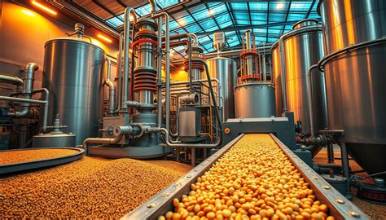
The current shortage comes after significant expansion in U.S. soybean-processing capacity. Higher demand for soybean oil, particularly from the biofuel sector, has encouraged investment in new and expanded crushing facilities.
The U.S. Department of Agriculture expects American processors to crush approximately 2.78 billion bushels of soybeans during the current crop year, which would represent a record level. Strong domestic processing demand means crushers need a steady flow of soybeans throughout the marketing year.
This expanded processing capacity is contributing to the current competition for nearby supplies. When harvest is delayed, processors have fewer beans available even though their demand for raw material remains high.
Export Market Adds Another Layer of Uncertainty
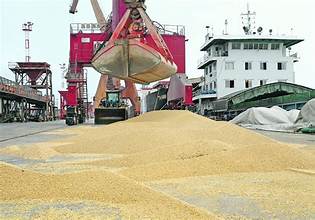
The domestic supply situation contrasts with uncertainty in the U.S. export market, particularly regarding China.
China is the world’s largest soybean importer, but its recent buying pattern has increasingly favored South American suppliers. High soybean inventories at Chinese crushing plants, weaker livestock-feed demand and unfavorable processing margins are limiting the need for immediate additional imports.
At the same time, soybeans have remained outside the latest U.S.-China tariff relief measures, leaving American shipments at a competitive disadvantage against some South American supplies.
A Market Pulled in Two Directions
The result is a soybean market facing two very different pressures. U.S. processors are competing aggressively for beans available in the short term, while export demand—especially from China—remains uncertain.
If weather improves and harvesting accelerates, the arrival of new-crop soybeans could ease the immediate supply shortage. Until then, processors may continue paying premiums to secure nearby supplies.
For farmers who still have old-crop soybeans available or are able to harvest early, the temporary shortage has created an opportunity to receive stronger local bids. For processors, however, the situation highlights the challenge of maintaining high crushing rates when weather disrupts the flow of raw materials.
The coming weeks will be important for the U.S. soybean market as harvest progress, domestic crushing demand and China’s import decisions increasingly shape prices and trade flows.

 By
By