Europe’s livestock industry could face increasing feed-supply challenges during the 2026–27 season, as a combination of weather-related production losses, disruptions to Ukrainian grain supplies and new environmental regulations creates uncertainty over the availability of key feed ingredients.
The European Feed Manufacturers’ Federation (FEFAC) has called for stronger contingency planning at the European Union level, warning that multiple pressures could affect supplies of fibre, energy and protein feed ingredients needed by livestock producers.
Drought Adds Pressure on Feed Supplies
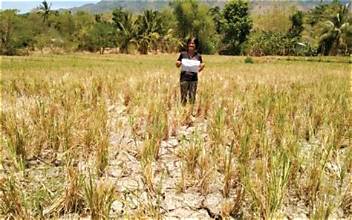
One of the major concerns is the impact of dry and hot summer conditions on European agriculture. Reduced rainfall in several areas has affected crop development and could limit the availability of agricultural by-products and other materials used by the feed industry.
Lower domestic availability can increase the dependence of feed manufacturers on imports, particularly when demand from the livestock sector remains stable.
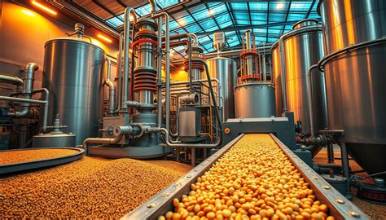
Feed manufacturers need a reliable supply of grains, oilseed products, protein meals and fibre sources to produce balanced rations for cattle, pigs and poultry. Any disruption in these supply chains can increase costs for both feed producers and farmers.
Ukraine Remains Important to Regional Feed Markets
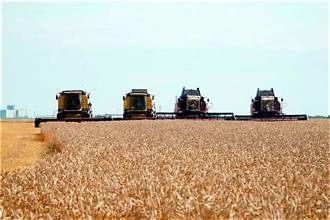
The situation is further complicated by uncertainty surrounding supplies from Ukraine. Ukraine has traditionally been an important supplier of grains and other agricultural commodities to European markets.
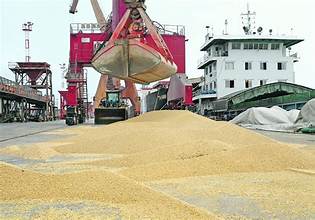
Disruptions affecting the movement or availability of Ukrainian feed grains could reduce supplies available to European feed manufacturers. This may force buyers to source more material from other origins, potentially increasing competition and transportation costs.
The impact could be particularly significant for countries that rely heavily on imported grain and feed ingredients.
New EU Deforestation Rules Add Another Challenge
Feed manufacturers are also preparing for the implementation of new EU rules designed to prevent commodities linked to deforestation from entering European supply chains.
The EU Deforestation Regulation (EUDR) covers commodities and products associated with deforestation risks and introduces additional requirements for companies involved in affected supply chains.
For feed manufacturers, compliance could create additional documentation, traceability and sourcing requirements, particularly for certain imported agricultural commodities.
The industry is concerned that if suppliers are unable to meet the required standards or documentation, some sources could become more difficult to access.
Call for an EU Contingency Plan
FEFAC is urging EU authorities to prepare a coordinated contingency framework that could help the livestock sector respond to potential shortages.
Such planning could involve improving market monitoring, diversifying supply sources and ensuring that feed manufacturers can access essential ingredients when disruptions occur.
The federation argues that preparation is particularly important because the risks are occurring simultaneously rather than independently.
Potential Impact on Livestock Producers
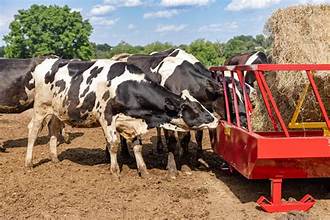
Any significant shortage of feed ingredients could eventually affect livestock farmers through higher feed costs. Feed is one of the largest operating expenses for many livestock operations, meaning increases in grain, protein meal or other feed components can put pressure on farm margins.
Higher feed costs can also influence the economics of producing meat, milk and eggs and may eventually have implications for food prices.
For now, the European feed industry is focused on ensuring adequate supplies throughout the coming marketing year.
Outlook for 2026–27
The combination of weather-related crop pressures, uncertainty around Ukrainian supplies and new regulatory requirements means European feed manufacturers are entering 2026–27 with greater supply-chain concerns.
The actual impact will depend on crop production, international commodity prices, trade flows and the ability of suppliers to meet new regulatory requirements.
FEFAC’s call for contingency planning highlights the growing importance of supply-chain resilience for Europe’s livestock industry. Ensuring reliable access to fibre, energy and protein ingredients could become a major priority for the EU feed and farming sectors during the year ahead.

 By
By