Disruptions to fertilizer shipments through the Strait of Hormuz are raising concerns about agricultural production and food security across parts of Asia and Africa. Delays in implementing a proposed mechanism to facilitate fertilizer transportation through the strategic maritime corridor could prolong supply uncertainties, increase input costs and create difficulties for farmers preparing for upcoming planting seasons.
According to the information attributed to Reuters on October 14, the United Nations has warned that continued delays could contribute to a food-security crisis in vulnerable regions. The situation highlights the close relationship between international shipping routes, fertilizer availability and global food production.
Strait of Hormuz: A Critical Route for Fertilizer Trade
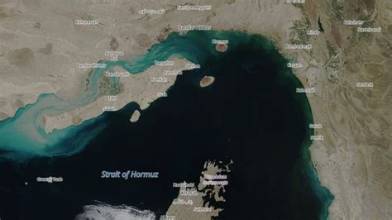
The Strait of Hormuz is a strategic waterway connecting the Persian Gulf with the Gulf of Oman and international shipping routes. It plays an important role in global energy and agricultural input supply chains.
Before the reported disruption, the route handled approximately one-third of globally traded urea and nearly half of seaborne sulfur, according to the supplied report. These materials are important to the fertilizer industry and modern agricultural production.
Urea is a widely used nitrogen fertilizer that supports plant growth, leaf development and crop productivity. Sulfur is also an important industrial raw material used in fertilizer manufacturing, particularly in the production of sulfuric acid and phosphate fertilizers.
Restrictions affecting shipments through this corridor can therefore create challenges extending beyond the immediate transportation sector. Delays may affect fertilizer manufacturers, distributors, importers and agricultural markets across multiple regions.
Rising Fertilizer Costs Could Affect Farmers
Fertilizer availability and affordability are essential to agricultural planning. Farmers generally need to secure suitable quantities of nutrients before or during critical stages of crop cultivation.
When fertilizer prices increase or deliveries become uncertain, farmers may face difficult decisions. Some could purchase smaller quantities, postpone applications or switch to crops requiring different nutrient-management strategies.
Reduced fertilizer application can affect crop growth and yields when nutrient supplies fall below crop requirements. The extent of the impact depends on soil fertility, rainfall, irrigation, crop variety and the availability of alternative nutrient sources.
Higher input costs can also reduce farm profitability, particularly for smallholder farmers with limited working capital and restricted access to affordable agricultural credit.
Asia and Africa Face Food-Security Concerns
Countries that depend heavily on imported fertilizers may be especially vulnerable to prolonged shipping disruptions. For these economies, higher international prices and longer delivery times can increase the cost of agricultural production.
If fertilizer shortages coincide with planting periods, farmers may have limited opportunities to delay purchases without affecting their crop schedules. Any resulting reduction in production could tighten food supplies and contribute to higher prices for certain agricultural commodities.
Low-income households may face additional difficulties if food prices rise while incomes remain unchanged. Governments and humanitarian organizations may consequently need to monitor fertilizer availability, food stocks and market prices closely.
However, the overall impact will depend on the duration of shipping restrictions, existing fertilizer inventories, alternative supply routes and the ability of importing countries to obtain supplies from other markets.
Measures to Reduce the Impact
Governments, fertilizer companies and agricultural organizations can consider several measures to limit the effects of supply disruptions.
These include diversifying fertilizer import sources, improving port and inland transportation efficiency, maintaining appropriate fertilizer reserves and providing farmers with timely information about supply and prices.
Efficient nutrient management can also help farmers use available fertilizers more effectively. Soil testing, balanced fertilizer application, appropriate timing and the integration of organic nutrient sources can support better nutrient-use efficiency when implemented according to local soil and crop requirements.
Such practices cannot fully replace essential nutrients or eliminate international supply risks, but they can help reduce avoidable losses and improve the efficiency of fertilizer use.
Outlook: Fertilizer Security Is Essential for Stable Food Production
The reported disruptions around the Strait of Hormuz underline the vulnerability of global agriculture to interruptions in critical shipping routes. Fertilizer shortages can affect planting decisions, production costs and crop yields, potentially creating additional pressure on food security in import-dependent regions.
Ensuring reliable fertilizer supplies will require coordinated action among governments, international organizations, shipping companies and agricultural businesses. Diversified sourcing, resilient logistics and efficient nutrient management can help reduce exposure to future disruptions.


 By