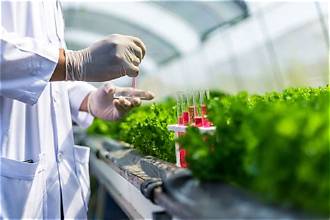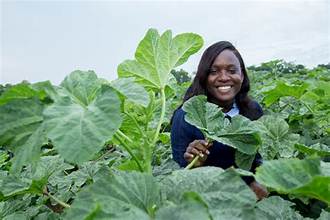
Plant scientist Pamela Afokpe has received the 2026 Norman Borlaug Award for Field Research and Application in recognition of her work on African indigenous vegetables and smallholder agriculture. Her research highlights the importance of locally adapted crops, improved seed varieties and practical agricultural innovations in strengthening food production and supporting farmers’ livelihoods.
According to information reported by Global Agriculture on October 21, Afokpe’s work has focused on indigenous vegetables such as Gboma, amaranth and jute mallow. Her research has addressed opportunities to improve crop varieties, strengthen disease tolerance and expand market opportunities for these vegetables.
The recognition draws attention to the contribution of agricultural scientists who work to connect research with the needs of farming communities, particularly smallholder producers who depend on locally suitable crops for food, income and nutrition.
Indigenous Vegetables Gain Recognition
Indigenous vegetables play an important role in food systems across many African communities. They contribute dietary diversity and can provide essential nutrients while supporting local farming traditions and agricultural markets.
Gboma, amaranth and jute mallow are cultivated and consumed in different African regions. Their value extends beyond household nutrition, as these crops can also create income opportunities for small-scale farmers, seed producers, traders and other participants in local food supply chains.
Despite their importance, indigenous vegetables may receive less research and commercial investment than major staple crops. Limited access to improved seeds, crop-management information, reliable markets and post-harvest facilities can restrict their productivity and profitability.
Research that addresses these challenges can help strengthen the role of indigenous vegetables in agricultural development and rural economies.
Improving Seed Quality and Disease Tolerance
One of the important areas highlighted in Afokpe’s work is the improvement of crop varieties. Access to quality seed is essential for farmers seeking reliable germination, healthy plant establishment and consistent production.
Plant breeding and crop research can help identify varieties with desirable characteristics, including improved yield potential, disease tolerance, suitable maturity periods and adaptation to local growing conditions.
Disease tolerance is particularly important because plant diseases can reduce both the quantity and quality of harvested produce. Effective crop improvement can help farmers manage production risks, although the performance of individual varieties depends on local environmental conditions and the pathogens present.
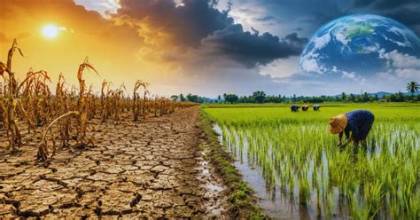
Locally adapted varieties may also help farmers respond more effectively to differences in rainfall, soil conditions and cultivation practices.
The development and distribution of improved seed must be supported by appropriate field testing, seed-quality standards and effective extension services to ensure that research benefits reach farmers.
Supporting Smallholder Farmers and Rural Livelihoods
Smallholder agriculture remains an important source of employment, food and income in many African countries. However, farmers frequently face constraints involving access to improved technologies, finance, infrastructure, agricultural information and dependable markets.
Research focused on indigenous vegetables can help address some of these challenges by improving production practices and identifying opportunities to strengthen value chains.
Better market access can be particularly important for vegetable growers because fresh produce is often perishable. Reliable transport, suitable packaging, storage facilities and links with retailers and institutional buyers can help reduce post-harvest losses and improve returns.
Developing consumer awareness and strengthening local processing opportunities may also expand demand for indigenous vegetables.
For these benefits to be sustained, crop improvement must be accompanied by practical support for farmers, seed availability and market development.
Why the Norman Borlaug Award Matters
The Norman Borlaug Award for Field Research and Application recognizes agricultural research that contributes to practical improvements in farming and food production.
Named after agricultural scientist Norman Borlaug, whose work played a major role in international efforts to improve crop productivity, the award reflects the importance of translating scientific knowledge into benefits for farmers.
Recognition for research on indigenous vegetables also highlights the need for agricultural innovation that responds to local priorities. While major staple crops remain essential to food security, underutilized and regionally important crops can contribute to more diverse and resilient food systems.
Scientific research, farmer participation and locally appropriate technologies can work together to improve agricultural productivity while preserving valuable crop diversity.
Implications for African Agriculture
Afokpe’s recognition places a spotlight on the potential of indigenous vegetables to contribute to food security, nutrition and rural enterprise.
Greater investment in crop breeding, seed systems, disease management and agricultural extension could help farmers improve production and market participation. Research institutions, governments, development organizations and private-sector businesses all have potential roles in supporting these efforts.
At the same time, the adoption of improved varieties must be guided by local preferences, production conditions and consumer demand. Farmers are more likely to benefit when new varieties combine useful agronomic traits with acceptable taste, quality and market value.

 By