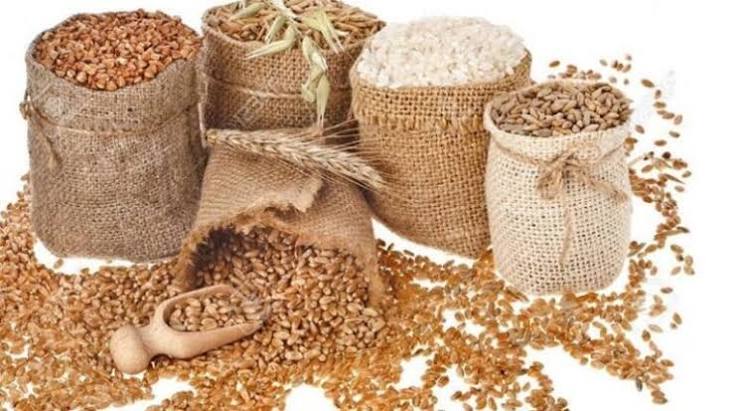
Global cereal production is forecast to decline in 2026 after reaching a record level in the previous year, according to estimates from the Food and Agriculture Organization of the United Nations (FAO). World cereal output is projected at approximately 2.979 billion tonnes, representing a 2.1% decrease from the 2025 record.
Despite the expected reduction, global production would remain the second-highest on record. The forecast suggests that overall cereal supplies could remain substantial, although regional production shortfalls, weather conditions and international trade disruptions will continue to influence market stability.
Cereals, including wheat, rice and coarse grains such as maize and barley, are fundamental to global food security. They provide a major share of dietary energy for billions of people and serve as important feed ingredients for the livestock and poultry industries.
Global Production Remains Historically High
The projected decline follows a record production level in 2025. Although the reduction in 2026 represents a slowdown in global output, production approaching 3 billion tonnes would still indicate considerable agricultural capacity worldwide.
However, global totals do not tell the whole story. Cereal production varies significantly between countries and regions, depending on rainfall, temperatures, irrigation availability, farming practices and access to agricultural inputs.
A country may experience a poor harvest even when global production remains high. Such regional shortfalls can affect domestic food availability, increase import requirements and place pressure on local markets.
Consequently, monitoring production estimates alongside regional crop conditions is essential for understanding the actual risks facing farmers and consumers.
Weather and Regional Crop Conditions Remain Important
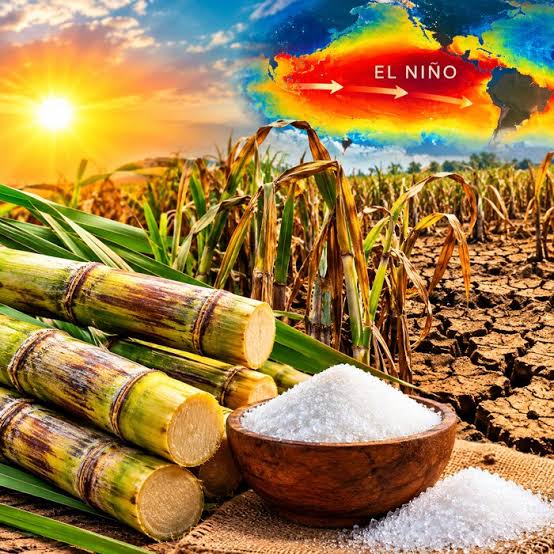
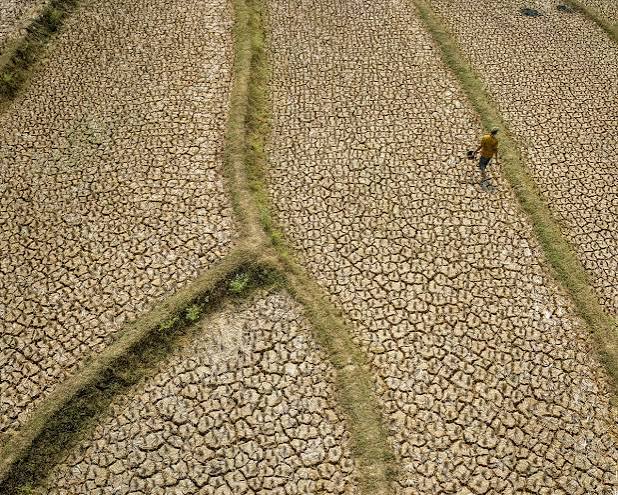
Weather conditions are among the most influential factors affecting cereal production. Drought, excessive rainfall, heatwaves and unexpected temperature changes can affect crop establishment, flowering, grain development and final yields.
Wheat production can be particularly sensitive to weather conditions during critical growth stages. Maize yields may suffer from heat and moisture stress, while rice production depends heavily on reliable water availability and suitable growing conditions.
Differences in planting schedules and seasonal weather patterns mean that production risks are not evenly distributed around the world.
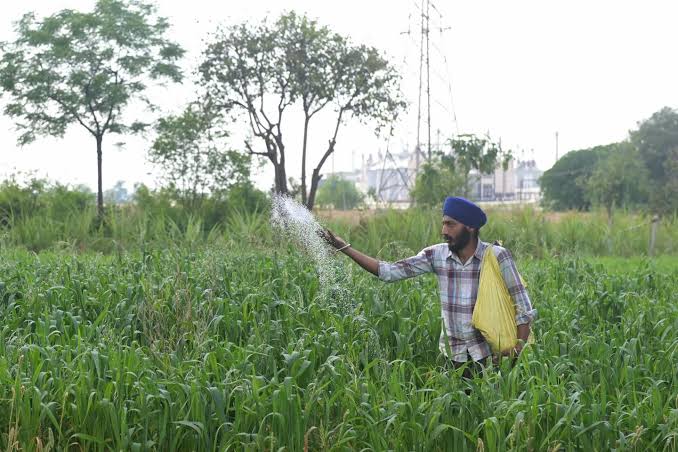
Access to improved seeds, efficient irrigation, balanced fertilizer application and timely crop protection can help farmers manage some of these risks. However, severe weather events can still cause substantial losses.
Implications for International Cereal Markets
A 2.1% decline in global cereal production could influence market expectations, particularly if output falls more sharply in major exporting countries.
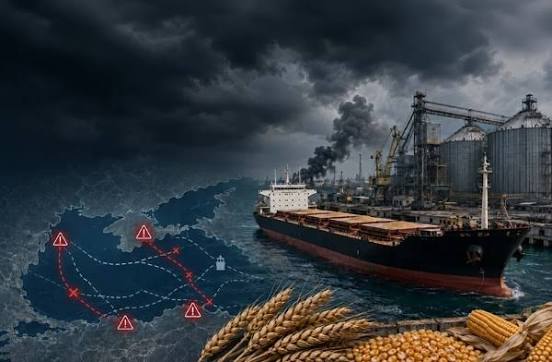
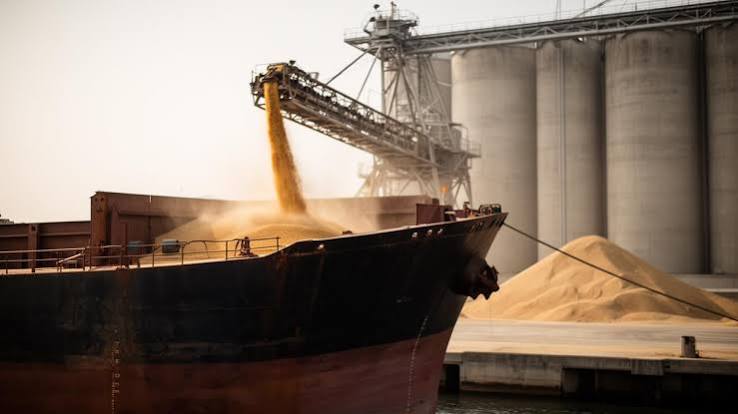
International prices depend on several factors, including production, consumption, inventories, export availability, freight costs and government trade policies. Therefore, lower production does not automatically mean that cereal prices will rise.
Large carryover stocks or reduced demand could help offset a decline in output. Conversely, simultaneous harvest losses in several major producing regions could tighten supplies and increase price volatility.
For cereal-importing countries, developments in global production will be important in determining procurement strategies and food-import expenditure.
What the Forecast Means for Farmers
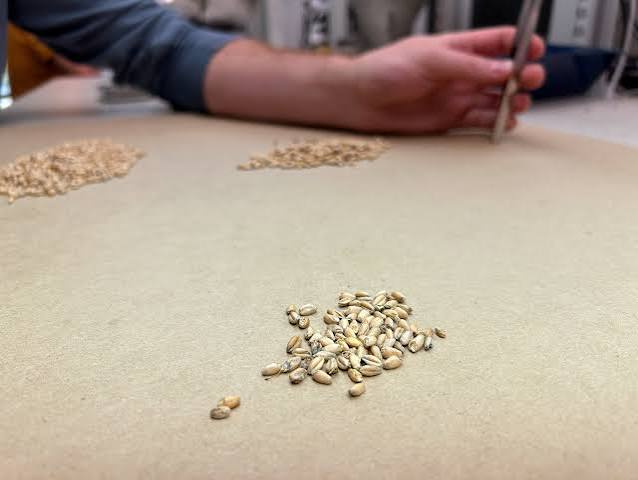
For agricultural producers, the outlook highlights the importance of improving productivity while managing production costs. Farmers may need to pay closer attention to local weather forecasts, soil moisture, seed selection and nutrient management to protect yields.
Agricultural policymakers can support production resilience through improved crop advisories, irrigation infrastructure, agricultural research, crop insurance and timely access to quality inputs.
Investments in grain storage and post-harvest management can also help reduce losses and improve the availability of cereals after harvest.
Global Food Security Outlook
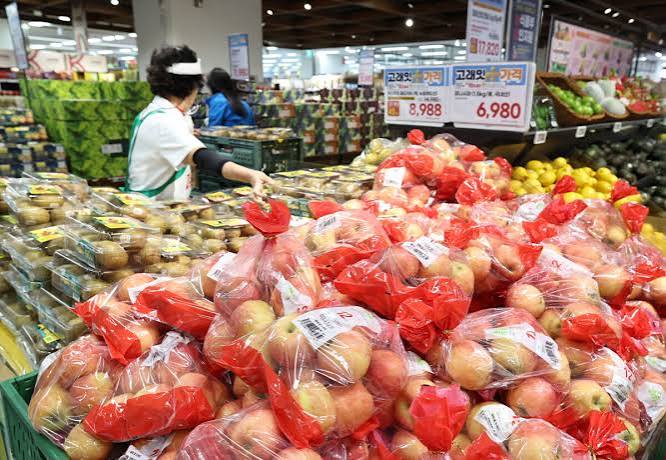
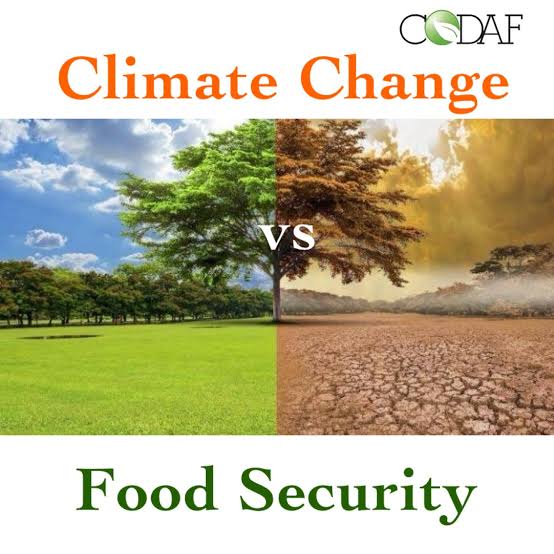
The forecast decline in cereal production is a reminder that record global output does not eliminate the risk of regional food shortages. Distribution challenges, affordability, conflict and climate-related disruptions can prevent food from reaching the people who need it most.
With production in 2026 projected at approximately 2.979 billion tonnes, the global cereal outlook remains historically strong despite the anticipated year-on-year decline.
The key priority will be to monitor regional harvest conditions, maintain reliable trade flows and strengthen agricultural resilience to ensure that adequate cereal supplies translate into accessible and affordable food.

 By