International wheat markets experienced renewed price pressure in September 2026, as shipping constraints in the Black Sea region and unfavourable weather conditions in parts of North America raised concerns about global supply prospects. According to the Food and Agriculture Organization of the United Nations (FAO), international wheat prices increased by 6.3% month-on-month in September, reflecting growing uncertainty over export availability and upcoming crop production.
The increase highlights the importance of trade routes and weather conditions in determining global agricultural commodity prices. Wheat is a staple food for billions of people and a major ingredient in products such as bread, pasta, noodles and other processed foods. Changes in international wheat prices can therefore affect food-importing countries, flour millers, food manufacturers and consumers.
Black Sea Shipping Constraints Affect Export Flows
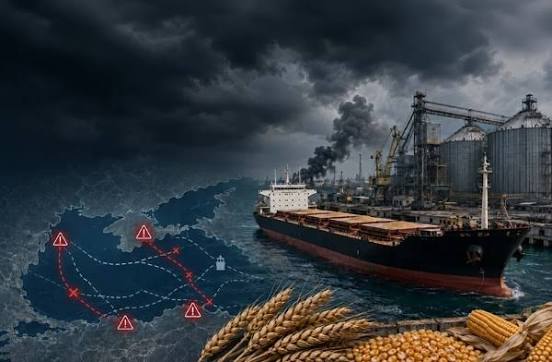
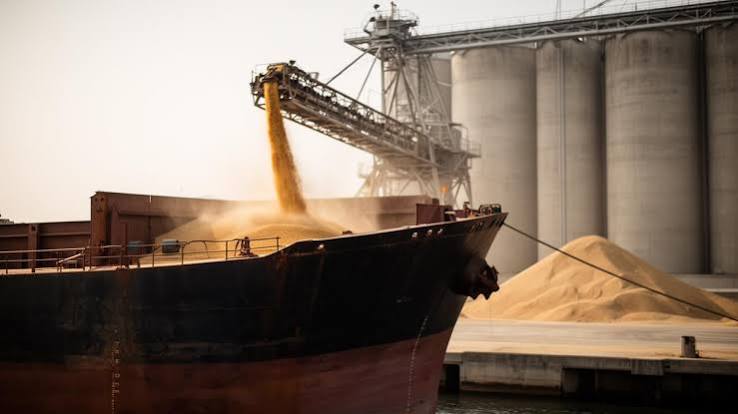
The Black Sea region is an important centre of international grain production and exports. Wheat shipments from major exporting countries in the region play a significant role in supplying markets across the Middle East, Africa and Asia.
Disruptions to shipping and logistical operations can delay deliveries, increase transportation expenses and create uncertainty among international buyers. Even when wheat remains available for export, higher freight costs and longer delivery times can make supplies more expensive.
Such constraints may encourage importing countries to seek alternative suppliers, potentially increasing competition for grain from other exporting regions.
The impact on prices depends on the scale and duration of shipping disruptions, export volumes, available inventories and the ability of other suppliers to meet international demand.
Dry Conditions Raise Concerns About North American Wheat
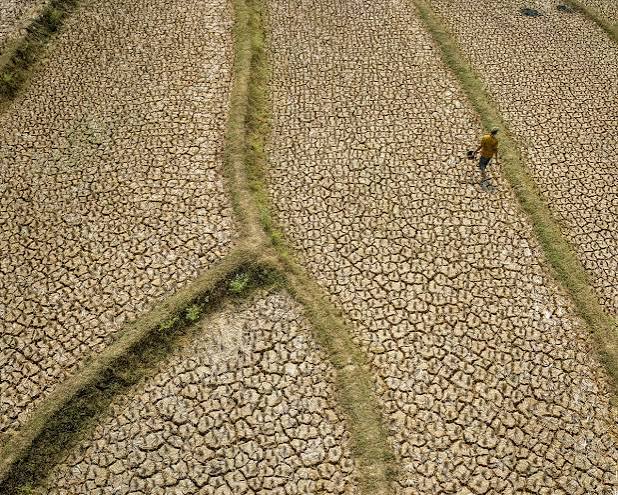
Weather conditions in North America have added another layer of uncertainty to the market. Dry conditions in some areas ahead of winter wheat sowing can affect soil moisture and create challenges for crop establishment.
Adequate moisture is important for seed germination and the early development of wheat plants. If dry conditions persist, farmers may face difficulties establishing uniform crops, potentially affecting yield prospects in the following harvest.
However, the ultimate impact will depend on subsequent rainfall, temperatures and crop development throughout the growing season. Early-season dryness does not necessarily translate into lower final production if weather conditions improve.
Implications for Importing Countries and Consumers
Higher international wheat prices can increase import bills for countries that depend on overseas supplies to meet domestic demand. Governments and private traders may need to adjust purchasing strategies, diversify sourcing and monitor market movements more closely.
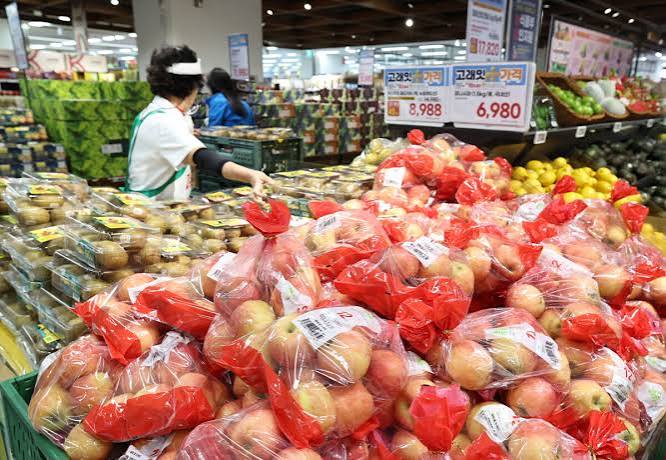
The effects may also reach flour mills, bakeries and food-processing businesses through higher raw material and procurement costs. Whether these increases translate into higher retail prices depends on domestic grain stocks, currency movements, transport expenses and government policies.
For low-income households, sustained increases in staple food prices can put additional pressure on purchasing power, particularly in markets where wheat-based foods account for a substantial share of daily consumption.
What the Price Rise Means for Farmers
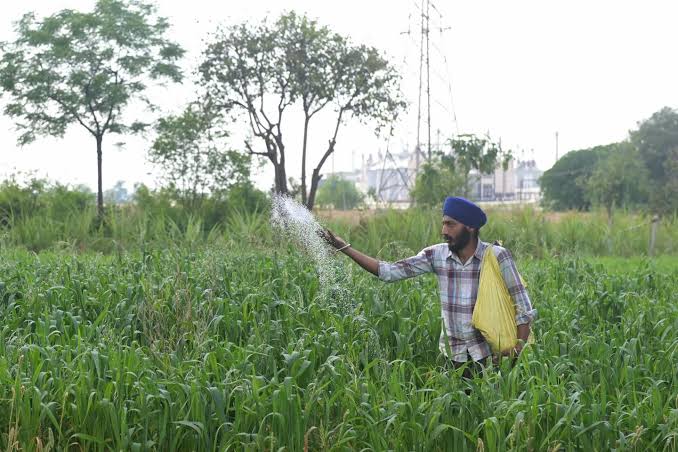
Higher wheat prices can potentially benefit producers in exporting countries by improving selling opportunities. However, farm profitability also depends on seed, fertilizer, fuel, machinery, labour and transportation costs.
Farmers preparing for the next planting season will need to consider local weather advisories, soil moisture conditions and input availability when making crop-management decisions.
Agricultural authorities can support producers through timely weather forecasts, crop monitoring and access to reliable market information.
Outlook for the Global Wheat Market
The September price increase demonstrates how shipping disruptions and weather-related risks can combine to influence international grain markets. While alternative suppliers and available stocks may help limit supply pressure, continued logistical difficulties could sustain volatility.
The direction of wheat prices in the coming months will depend on Black Sea export flows, North American crop conditions, global inventories and demand from major importing countries.
For the agricultural sector, maintaining efficient trade routes, strengthening supply-chain resilience and monitoring crop conditions will remain essential to protecting global food availability and price stability.


 By