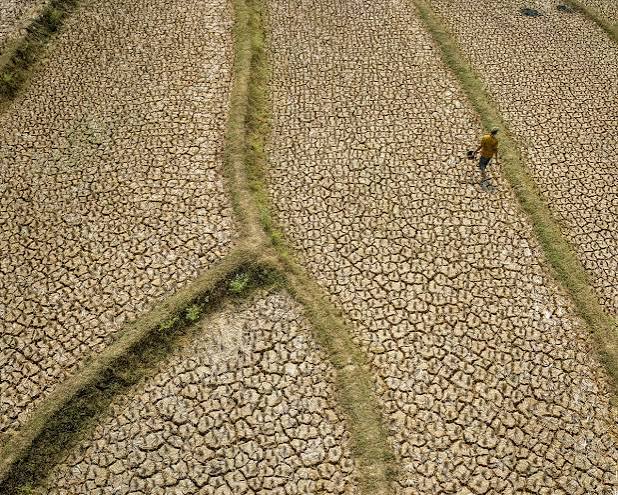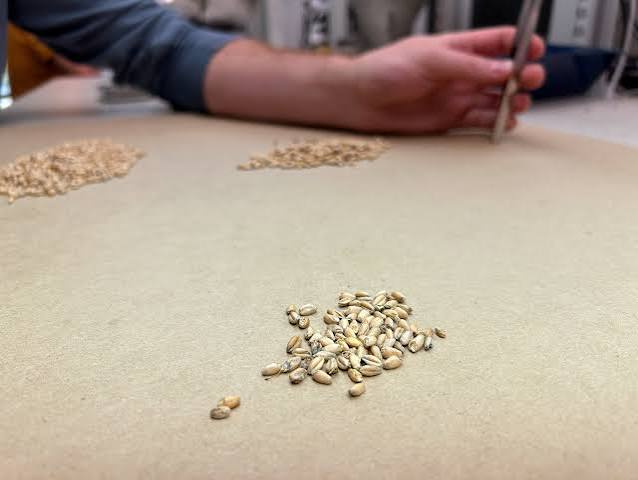
Unusually heavy rainfall during September has disrupted Canada’s 2026 harvest, damaging the quality of spring wheat, lentils and other agricultural crops across the Prairie provinces. The prolonged wet weather has delayed harvesting operations and raised concerns about the availability of high-quality grains for domestic consumption and international markets.
According to the Government of Saskatchewan’s September 24 crop report, only 41% of the province’s harvest was complete by September 21, compared with the five-year average of 82%. Persistent rainfall, high humidity and wet field conditions slowed harvesting and affected the quality of crops remaining in fields. <Cite refs={[“turn687889search0″,”turn687889search5”]}/>
Canada is a major global supplier of wheat, canola and pulse crops, including lentils and peas. Any significant deterioration in crop quality could influence export availability, commodity prices and international agricultural trade.
Heavy Rainfall Delays Harvesting Operations
September is normally an important harvesting period across western Canada’s agricultural regions. However, repeated rainfall left many fields too wet for machinery, forcing farmers to postpone harvesting and increasing the risk of crop deterioration.
Saskatchewan, one of Canada’s leading grain-producing provinces, experienced particularly challenging conditions. Provincial reports identified wet fields, high humidity and rainfall-related damage as major obstacles to harvest progress.
Although harvesting subsequently advanced, some crops deteriorated while standing in the fields. Prolonged moisture exposure can cause grain sprouting, discoloration and other quality defects, potentially reducing the commercial grade and market value of harvested produce.
Wheat and Lentil Quality Under Pressure
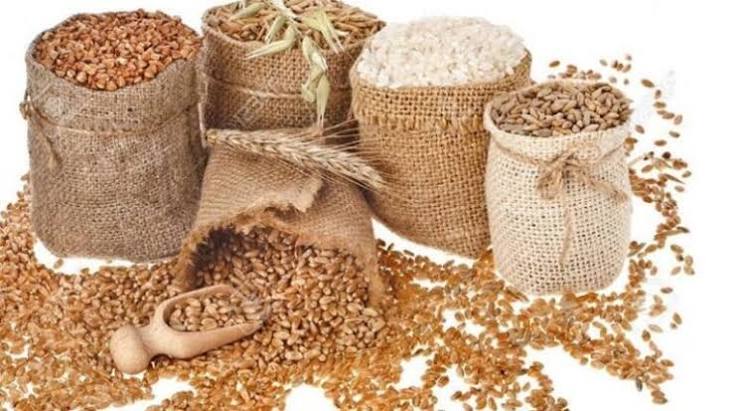
Spring wheat is particularly important to international flour milling and baking industries. Excessive moisture before harvesting can cause kernels to sprout, affecting grain quality and its suitability for certain food-processing applications.
Lentils and other pulse crops have also experienced quality problems. Heavy rainfall can cause discoloration, shrivelling and deterioration, potentially reducing the proportion of crops that meet premium grading standards.
The extent of the damage varies by location, crop variety and the timing of harvesting. Final assessments will be important in determining how much of Canada’s 2026 crop qualifies for higher-value markets.
Possible Impact on International Grain Markets
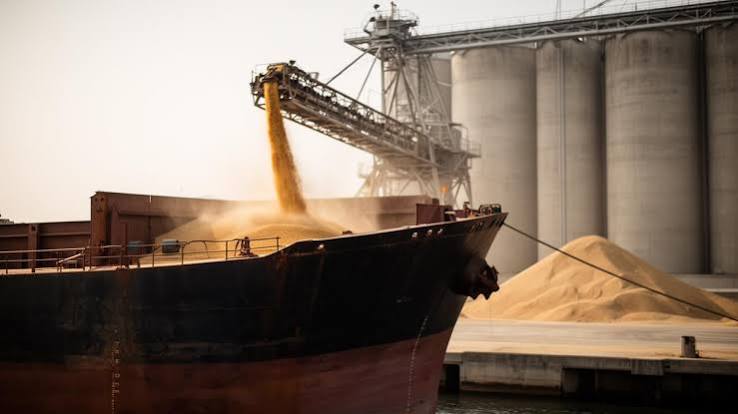
Canada plays a significant role in global agricultural trade, supplying wheat and pulses to numerous international markets. Reduced availability of export-grade grain could tighten supplies of specific quality categories, even if total harvested volumes remain substantial.
Importing countries may need to adjust purchasing strategies or seek alternative suppliers if high-quality Canadian grain becomes less available.
However, the overall effect on international prices will depend on the final harvest assessment, global inventories, demand and the availability of supplies from other exporting nations. <Cite refs={[“turn687889news7″,”turn687889search1”]}/>
Farmers Face Additional Financial Pressure
Wet harvesting conditions can increase production expenses through additional machinery operations, grain drying, storage and handling. Farmers may also receive lower prices when damaged crops are downgraded.
These challenges highlight the financial risks associated with extreme weather during critical agricultural operations. Improved drainage, suitable crop varieties, better harvest planning and access to crop insurance can help reduce some losses.
Outlook
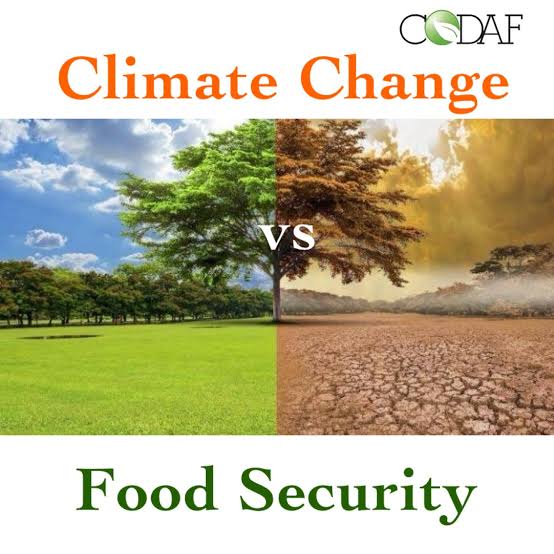
Canada’s wet harvest demonstrates how unfavourable weather can affect not only crop yields but also the quality and market value of agricultural commodities.
The final impact on export supplies and international grain prices will become clearer as government and industry assessments progress.
For global agricultural markets, the key concern is whether Canada’s weather-damaged harvest will reduce the availability of high-quality wheat and pulses at a time when international food supply chains remain vulnerable to climate and trade disruptions.


 By