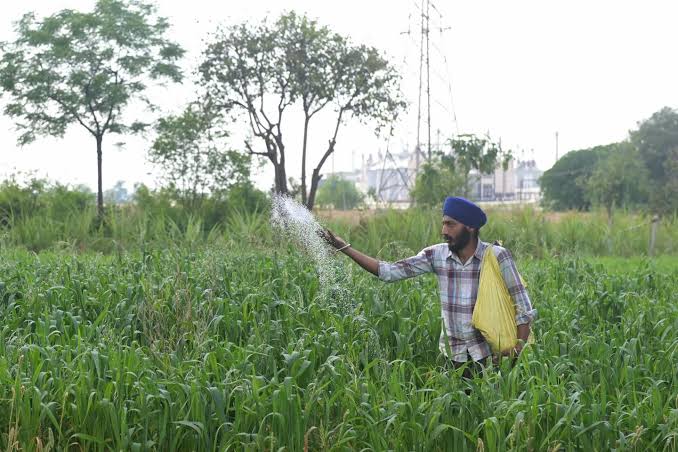
The progress of the United States’ corn and soybean harvest remains a key focus for global agricultural markets as farmers work through the autumn harvesting season. According to the US Department of Agriculture (USDA), 44% of the country’s corn crop and 64% of its soybean crop had been harvested by October 18, 2026. Both crops remained behind their respective five-year averages, although soybean harvesting had nearly caught up with its historical pace. <Cite refs={[“turn964788search0″,”turn964788search1”]}/>
The latest figures highlight the importance of weather conditions, harvesting schedules and international trade demand in shaping the outlook for major US agricultural commodities.
Corn Harvest Trails Historical Average
US corn harvesting reached 44% completion as of October 18, compared with the five-year average of 52%. This left progress eight percentage points behind the normal pace for this stage of the season.
Harvesting advanced by 11 percentage points from the previous week, indicating that fieldwork was progressing despite earlier delays. However, conditions varied significantly across producing states.
Iowa, one of the country’s leading corn-producing states, had harvested 26% of its crop, compared with a five-year average of 50%. Michigan and Ohio were also behind their usual harvesting schedules.
Wet field conditions and limited opportunities for machinery operations contributed to delays in some areas. Nevertheless, forecasts for warmer, drier weather across much of the Midwest were expected to provide improved opportunities for farmers to resume harvesting.
The pace of fieldwork will remain important for grain deliveries, storage management and the movement of corn into domestic and export markets.
Soybean Harvest Approaches Normal Pace
The US soybean harvest reached 64% completion by October 18, just one percentage point below the five-year average of 65%.
Harvesting advanced by 18 percentage points in a week, demonstrating a substantial improvement in fieldwork. The progress suggests that soybean harvesting has recovered more quickly than corn harvesting from earlier delays.
However, regional differences remain. Iowa had harvested 57% of its soybean crop, compared with its five-year average of 74%. Nebraska and Michigan also remained behind their typical schedules.
The pace of soybean harvesting is important for farmers preparing fields for the next cropping season and for traders assessing the timing of new-crop supplies entering the market.
Renewed Chinese Purchases Support Soybean Demand
International trade is another important factor influencing US soybean markets. Chinese state-owned trading companies made substantial purchases of US soybeans in October, signalling renewed buying activity after a period of limited participation.
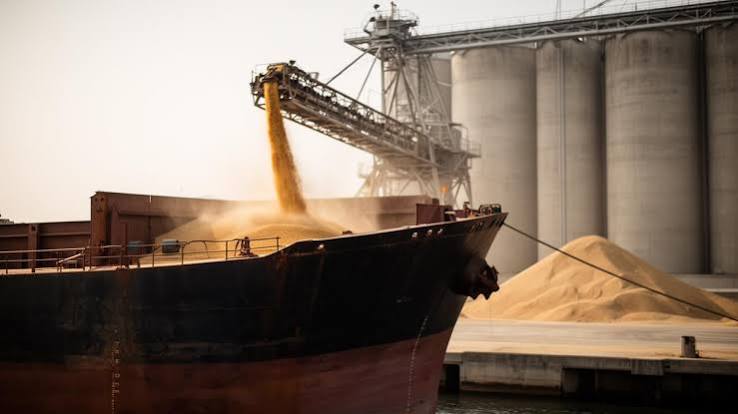
Reuters reported on October 16 that Chinese buyers had purchased an additional 10–13 cargoes of US soybeans, following earlier purchases during the same week. The combined transactions were estimated at approximately 1.2–1.5 million tonnes, with shipments scheduled between December and March. <Cite refs={[“turn964788news8″,”turn964788news9”]}/>
Renewed Chinese demand could support export sales and strengthen the role of the US in international soybean trade. However, the market impact will depend on the continuation of purchases, competition from other exporters and the pace at which harvested supplies become available.
Implications for Global Grain Markets
The US is a major producer and exporter of corn and soybeans, making its harvest progress important for international feed, food and oilseed markets.
Corn is widely used in animal feed, ethanol production and food manufacturing. Soybeans are essential to the production of soybean meal for livestock feed and soybean oil for food and industrial uses.
Delays in harvesting can temporarily affect the timing of supplies reaching storage facilities, processors and export terminals. However, slower harvesting does not necessarily indicate lower final production.
Market prices will also depend on final yields, total harvested acreage, domestic demand, export sales and production in competing countries.
Outlook
The coming weeks will be important in determining whether US farmers can close the remaining gap against historical harvesting averages. More favourable weather could accelerate fieldwork, while renewed Chinese purchases may influence soybean export expectations.
For global agricultural markets, the combination of harvest progress, weather forecasts and international demand will remain central to price movements.
The key issue is whether the US can bring its harvest closer to normal seasonal levels while maintaining strong export demand for corn and soybeans.


 By