Ukraine’s ability to deliver grain to international markets remains a major concern for global agricultural supply chains as shipping disruptions and security risks continue to affect export operations. Despite expectations of a substantial harvest, difficulties in moving agricultural commodities from farms to overseas buyers are creating uncertainty for exporters, importers and international grain traders.
Ukraine is a major supplier of wheat, maize and other agricultural commodities to markets across Africa, Asia and the Middle East. Continued interruptions to its export infrastructure could affect regional grain availability, increase transportation costs and influence international commodity prices.
Black Sea Ports Face Continued Challenges
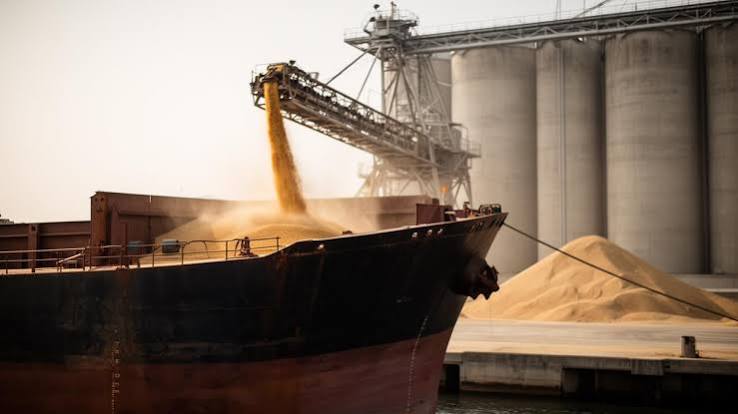
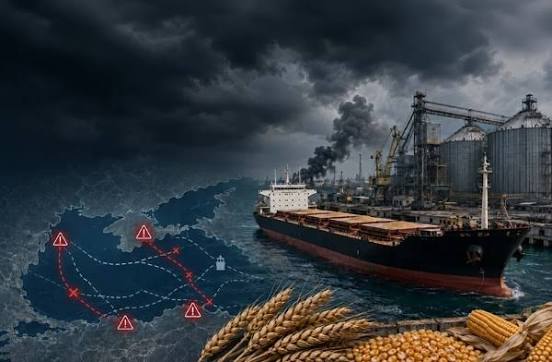
The Black Sea has traditionally served as Ukraine’s principal route for agricultural exports. However, attacks on port facilities, vessels and transportation infrastructure have disrupted normal shipping operations.
According to Reuters reporting in July 2026, Ukraine’s grain-shipping capacity through its key Black Sea ports had fallen to approximately 4 million tonnes per month, compared with around 6 million tonnes before the escalation in attacks. <Cite refs={[“turn238828news5”]}/>
The disruption has forced exporters to explore alternative transportation routes, including Danube River ports and rail connections through neighbouring European countries.
Although these alternatives help maintain some export activity, they face limitations involving handling capacity, border procedures, vessel availability and transportation expenses.
Alternative Routes Increase Export Costs
The shift towards alternative export corridors has introduced additional logistical challenges. Danube ports have faced congestion, while rail shipments require coordination across international borders and different railway systems.
Reuters reported in August that as many as 70 vessels were waiting near the Danube’s Sulina Canal amid bottlenecks affecting grain exports. The delays highlighted the limitations of alternative routes when large volumes of agricultural commodities need to be transported quickly. <Cite refs={[“turn238828news17”]}/>
Higher freight charges, vessel waiting times and additional handling expenses can reduce the competitiveness of Ukrainian grain in international markets. Importers may consequently compare supplies from other origins, including Romania, Bulgaria and other major exporting countries.
Wheat and Maize Markets Under Pressure
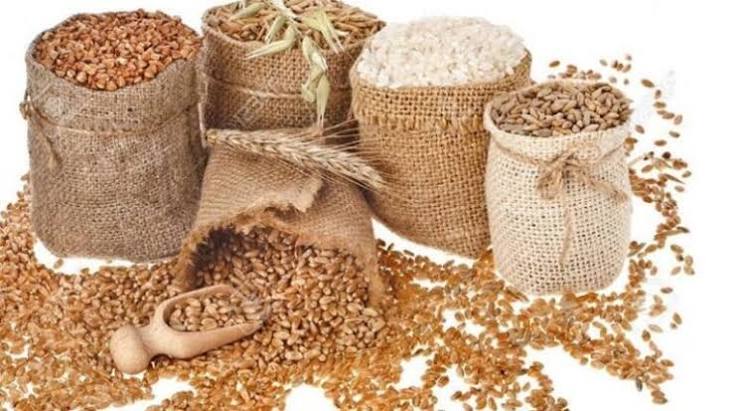
Wheat and maize are particularly important to Ukraine’s agricultural export industry. Wheat supplies international flour and food-processing markets, while maize is widely used in animal feed, food manufacturing and industrial applications.
Shipping constraints can affect the timing of grain deliveries even when sufficient stocks are available within the country. Exporters may also need to prioritise certain commodities depending on seasonal demand, storage capacity and transport availability.
In October, Ukraine’s agricultural sector faced additional logistical pressure as newly harvested maize entered the market. A report cited by Reuters on October 1 indicated that increased maize shipments could compete with wheat for limited export capacity during October and November. <Cite refs={[“turn238828search0”]}/>
Implications for Global Food Security
Disruptions to Ukrainian grain exports can affect import-dependent countries, particularly those relying on Black Sea supplies. Buyers may face higher procurement costs, longer delivery times and increased uncertainty when arranging international purchases.
However, the effect on global prices will depend on several factors, including export volumes from Ukraine, inventories in importing countries, harvests elsewhere and demand for wheat and maize.
Alternative suppliers can help offset some supply shortages, but replacing disrupted shipments may involve higher transportation costs and changes in established trade flows.
Outlook
Ukraine’s grain export outlook will depend heavily on port security, the reliability of alternative transport routes and the ability of exporters to move newly harvested crops efficiently.
For international agricultural markets, the central concern is whether available logistics capacity can support sufficient grain shipments despite continuing disruptions.
Maintaining secure shipping routes and improving alternative export infrastructure will remain essential to protecting agricultural trade, supporting Ukrainian farmers and ensuring reliable grain supplies for global markets.


 By