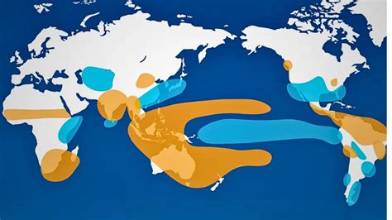
The growing threat of an exceptionally strong El Niño, combined with elevated fuel and energy costs, is raising concerns over global agricultural production and food security. According to an agricultural assessment published by the European Commission’s Joint Research Centre (JRC) on November 10, these developments could create significant challenges for farming communities, particularly across Southern Africa.
The assessment highlights the vulnerability of agricultural systems to changing rainfall patterns, rising temperatures and increasing production costs. Southern African countries are among the regions facing considerable risks, as below-average rainfall and unusually high temperatures could negatively affect crop development, planting activities and agricultural productivity.
Southern Africa Faces Growing Agricultural Risks
Several countries in the Southern African region are already experiencing disruptions to seasonal agricultural activities. Parts of Angola and Zambia have reported delays in agricultural operations, raising concerns about the timely establishment of crops during the current growing season.
Farmers in these regions depend heavily on seasonal rainfall for crop production. Delayed rainfall or prolonged dry periods can affect planting schedules, seed germination and early crop establishment.
Maize, which is a major staple crop across much of Southern Africa, could be particularly vulnerable to unfavourable weather conditions. Insufficient soil moisture during critical growth stages may reduce crop development and ultimately affect harvest volumes.
The situation is especially concerning for smallholder farmers who depend on rain-fed agriculture and have limited access to irrigation facilities and other risk-management resources.
Dry Conditions Could Continue Until March 2027
Weather forecasts highlighted in the JRC assessment indicate that dry conditions and elevated temperatures could persist across central and southern parts of the Southern African Development Community (SADC) region through March 2027.
If these conditions materialise, agricultural production could face additional pressure during important crop-growing stages.
High temperatures can increase evaporation and soil moisture losses, creating water stress for crops. When combined with inadequate rainfall, these conditions can reduce plant growth, affect flowering and grain formation, and increase the possibility of crop failure.
Livestock farming may also experience difficulties due to declining pasture availability and reduced water resources. Prolonged dry conditions could increase pressure on livestock farmers, particularly those operating in areas already affected by water shortages.
Rising Fuel and Energy Costs Add to Farmers’ Challenges
Apart from climate-related risks, higher fuel and energy costs are emerging as another important concern for agricultural production.
Fuel is essential for operating tractors, harvesting machinery, irrigation pumps and transportation systems. Higher energy prices can increase the cost of land preparation, planting, harvesting and moving agricultural commodities to markets.
Fertiliser manufacturing and distribution are also energy-intensive activities. Rising fuel and energy expenses can therefore contribute to higher agricultural input costs, putting additional pressure on farmers’ operating budgets.
For small-scale agricultural producers, the combination of unfavourable weather and expensive inputs could create serious financial challenges.
Potential Impact on Global Food Security
Agricultural disruptions in Southern Africa could have important implications for regional food availability, household incomes and rural livelihoods.
Lower crop production may increase dependence on imported food commodities, while reduced pasture and water availability could affect livestock production and food supplies.
The situation also highlights the wider connection between climate variability and international agricultural markets. If weather-related production losses occur across multiple important agricultural regions, global commodity supplies and food prices could face additional pressure.
Need for Climate-Resilient Agricultural Strategies
The emerging risks underline the importance of strengthening climate resilience in agriculture. Improved weather forecasting, timely agricultural advisories, drought-tolerant crop varieties, efficient irrigation systems and better soil-moisture management can help farmers prepare for changing climatic conditions.
Governments and agricultural organisations may also need to strengthen support systems for vulnerable farming communities through access to quality seeds, affordable inputs, crop insurance and water-management infrastructure.
Outlook
The potential combination of a strong El Niño, below-average rainfall and higher energy costs presents a significant challenge for agricultural production in Southern Africa.
The coming months will be particularly important for determining the impact on crop establishment, seasonal yields and regional food supplies. Close monitoring of weather conditions and timely support for farmers will be essential to reduce potential agricultural losses.
The developments also reinforce the need for countries to invest in climate-resilient farming systems and stronger agricultural supply chains to protect long-term food security.

 By