Egypt has increased restrictions on natural gas supplies to domestic fertiliser manufacturers, raising concerns about nitrogen fertiliser production and the availability of key agricultural nutrients in international markets. The development could create additional uncertainty for global fertiliser supply chains, particularly as farmers and agricultural input companies monitor production costs and export availability.
According to a report published on November 16, natural gas supply reductions to fertiliser producers increased from 20% to 33% on November 8. The restrictions have raised questions about the operational stability of fertiliser manufacturing facilities and the potential consequences for international trade.
Abu Qir Fertilizers Confirms Gas Supply Restrictions
Abu Qir Fertilizers and Chemical Industries, one of Egypt’s major nitrogen fertiliser manufacturers, confirmed that it was affected by the restrictions on natural gas supplies.
Despite the reduced gas allocation, two of the company’s three production plants were continuing to operate at full capacity at the time of reporting.
Natural gas is a critical raw material for nitrogen fertiliser manufacturing. It serves both as an energy source and as a feedstock for producing ammonia, which is subsequently used to manufacture urea and other nitrogen-based fertilisers.
Any significant reduction in gas availability can affect production schedules, operating costs and the overall capacity of fertiliser manufacturers.
The continuation of operations at two plants indicates that some production capacity remains available. However, the longer-term impact will depend on the duration and severity of the gas restrictions.
Egypt’s Importance in the Global Fertiliser Market
Egypt occupies an important position in the international nitrogen fertiliser trade, particularly in the urea export market.
The country supplies nitrogen fertilisers to several international destinations, including European and emerging markets. Its geographical location also provides access to important shipping routes connecting agricultural input markets across different regions.
Urea is one of the world’s most widely used nitrogen fertilisers. It plays an essential role in crop production by supplying nitrogen, which supports plant growth, leaf development and protein formation.
Major agricultural economies depend on reliable urea supplies to maintain crop productivity across cereals, oilseeds and other important agricultural commodities.
Consequently, any disruption to Egyptian fertiliser production could influence regional availability and international purchasing decisions.
Potential Impact on International Fertiliser Prices
The increase in natural gas supply restrictions could create additional pressure on nitrogen fertiliser markets if production capacity is affected for an extended period.
International urea prices are influenced by several factors, including natural gas costs, manufacturing capacity, export availability, transportation expenses and seasonal demand.
If Egyptian manufacturers face prolonged operational limitations, buyers may need to seek alternative suppliers. This could increase competition for available export volumes and potentially push up procurement and shipping costs.
European fertiliser buyers and agricultural importers in emerging markets may closely monitor the situation to assess potential changes in supply availability.
Implications for Farmers and Agricultural Production
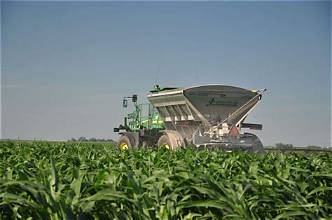
Higher nitrogen fertiliser prices can directly affect agricultural production expenses. Farmers growing wheat, maize, rice and other nitrogen-intensive crops rely on timely and affordable fertiliser supplies to achieve satisfactory yields.
If international urea prices increase, importing countries could face higher fertiliser procurement costs. These additional expenses may eventually affect domestic fertiliser prices, depending on government policies, subsidies and market conditions.
Developing countries with substantial fertiliser import requirements could be particularly vulnerable to prolonged supply disruptions.
For farmers, the availability of affordable nitrogen fertilisers is essential for maintaining productivity and managing cultivation expenses.
Global Fertiliser Market Outlook
Egypt’s decision to increase restrictions on natural gas supplies highlights the close relationship between energy security and agricultural input production.
Natural gas availability remains a critical factor for nitrogen fertiliser manufacturing, making the industry particularly sensitive to changes in domestic energy supply.
Market participants will closely monitor developments in Egypt, including the duration of gas restrictions, production levels at major fertiliser facilities and the country’s ability to maintain export commitments.
Although two of Abu Qir Fertilizers’ three production plants were operating at full capacity at the time of reporting, continued uncertainty over gas supplies could remain a concern for international fertiliser markets.
The situation underlines the importance of stable energy supplies, diversified fertiliser sourcing and resilient agricultural input supply chains to support global food production.

 By