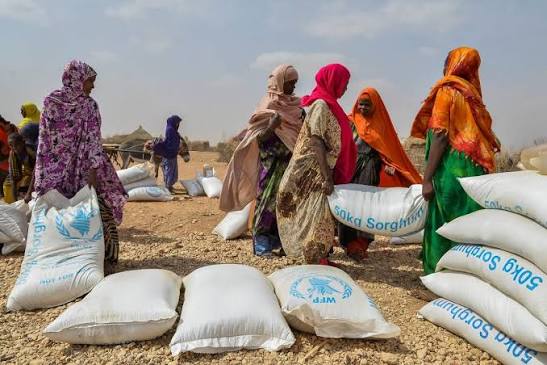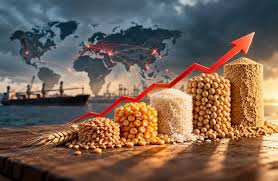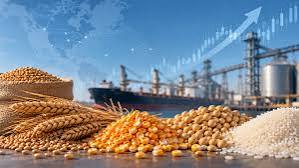
Global food markets could face renewed price pressures during the 2026–27 marketing season as declining grain supplies, lower production forecasts and geopolitical uncertainties create challenges for international agricultural trade. The World Bank has highlighted concerns over tightening grain inventories, warning that supply-side pressures could increase food security risks, particularly for countries heavily dependent on agricultural imports.
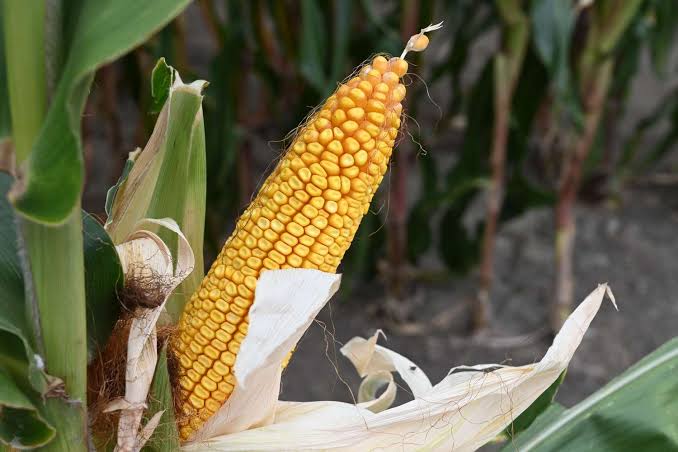
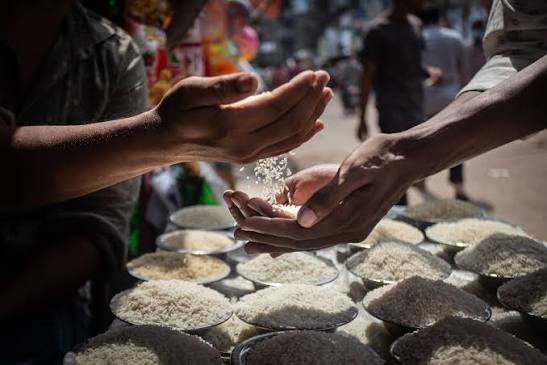
According to the reported assessment, global grain supplies could decline by approximately 20 million tonnes, reflecting weaker production expectations for some of the world’s most important staple crops. Wheat production is projected to decrease by around 2%, while maize output could fall by 3% and rice production by approximately 2%.
The expected decline in production could affect the balance between global food demand and available supplies. Wheat, maize and rice are essential commodities for billions of people and form the foundation of food systems across Asia, Africa, Europe and the Americas. Any significant reduction in their availability could influence food prices, livestock feed costs and agricultural trade flows.
Geopolitical Tensions and El Niño Add to Supply Risks
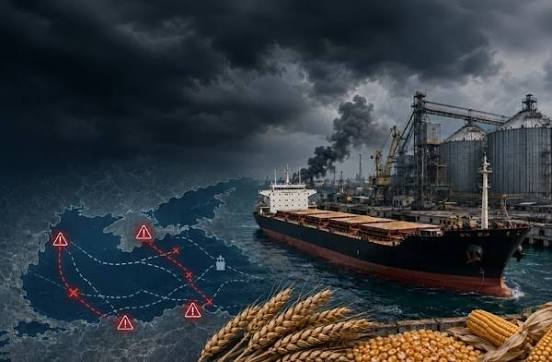
Beyond production forecasts, geopolitical developments are creating additional uncertainty for international grain markets. Disruptions to Black Sea shipping routes and attacks on grain-export infrastructure have affected the movement of agricultural commodities from major exporting regions.
The Black Sea region remains particularly important for global wheat and maize supplies. Any prolonged disruption to shipping operations could increase transportation costs, delay deliveries and affect the availability of grain in importing countries.
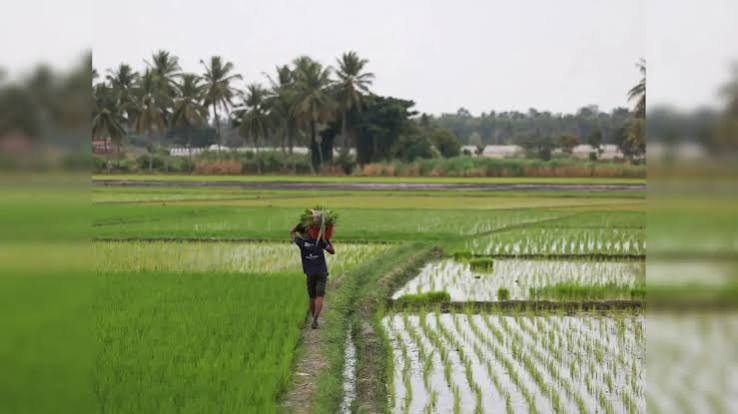
Strong El Niño conditions are another major concern. Changes in rainfall distribution, prolonged dry spells and extreme weather events could affect crop yields in several agricultural regions. Asian rice-producing countries and major grain exporters are among those facing potential weather-related production challenges.
Food Price Inflation Could Affect Developing Countries
The World Bank’s October 2026 Commodity Markets Outlook indicates that its food price index is expected to increase by 10% in 2026 and another 7% in 2027. This could put additional pressure on household budgets, particularly in developing economies where food represents a significant share of consumer expenditure.
Countries dependent on imported wheat, maize and rice could face higher import bills if international prices increase. Rising food costs may also affect livestock production, food processing industries and agricultural supply chains.
Global Grain Markets Face a Challenging Outlook
The combination of declining grain supplies, tightening inventories, climate uncertainties and geopolitical tensions is making the outlook for international agricultural markets increasingly complex.
The World Bank has highlighted the importance of maintaining stable international trade flows and protecting vulnerable populations from rising food costs. Improved agricultural productivity, climate-resilient crop varieties, efficient irrigation systems and better supply-chain management will be important in managing future risks.
For farmers, exporters, governments and food-importing nations, developments during the 2026–27 marketing season will be crucial. While adequate existing inventories may provide some protection against immediate supply shocks, prolonged weather disruptions and trade restrictions could intensify pressure on global food markets.
The coming months will therefore be important in determining how effectively the global agricultural sector manages supply uncertainties and protects food security.

 By