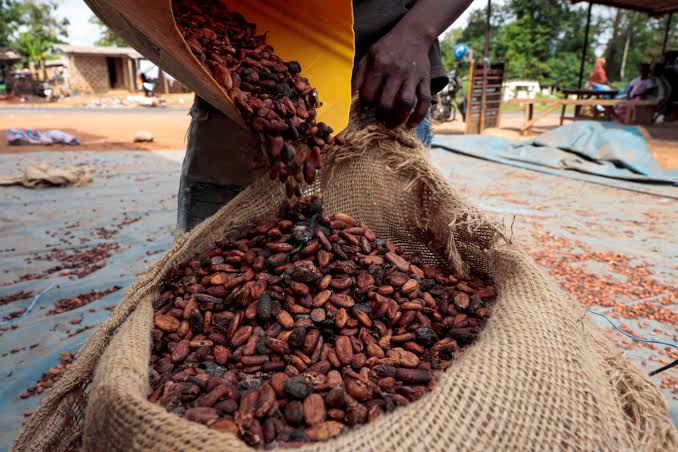
Ivory Coast’s cocoa industry is facing a potentially difficult production season as exceptionally strong El Niño conditions threaten the country’s 2026–27 cocoa harvest. According to the country’s national meteorological agency, cocoa production could decline by 21% to 25% due to reduced rainfall, rising temperatures and an extended dry season. The warning has raised concerns across the global cocoa industry, as Ivory Coast is the world’s largest cocoa producer and a major supplier to international chocolate manufacturers.
The country’s National Meteorology Directorate, operating under SODEXAM, has cautioned that the developing climate phenomenon could create unfavourable conditions across major cocoa-growing regions. Forecasts indicate that annual rainfall could decrease by 10% to 27%, while the rainy season may become shorter and the dry season longer. Higher temperatures could further increase moisture stress in cocoa plantations.
Cocoa trees are particularly sensitive to changes in rainfall and temperature. Adequate moisture is essential for flowering, pod formation and the development of healthy cocoa beans. Prolonged dry conditions can weaken trees, reduce flowering and affect the growth of young pods.
El Niño Threatens Cocoa Tree Development
The combination of water shortages and elevated temperatures could directly affect different stages of cocoa production. Young cocoa pods may shrink, dry out and fall prematurely, while flowers could fail to develop into mature pods. Extended moisture stress may also cause trees to lose leaves, reducing their ability to support healthy fruit development.
These conditions could significantly reduce the quantity of cocoa beans available for harvesting during the 2026–27 season. Farmers may also experience difficulties maintaining plantation health and managing production costs as water availability becomes increasingly uncertain.
The impact could extend beyond individual farms. Disrupted planting schedules, reduced water reserves and pressure on hydroelectric dams may create additional challenges for agricultural communities and the country’s wider economy.
Global Chocolate Industry Faces Supply Concerns
Ivory Coast accounts for approximately 40% of global cocoa production, making its agricultural performance particularly important for international commodity markets. The cocoa industry also plays a significant role in the country’s economy, contributing around 15% of GDP and supporting the livelihoods of approximately five million people.
A substantial decline in production could affect cocoa availability for chocolate manufacturers, food-processing companies and international traders. Reduced supplies from Ivory Coast may increase competition among buyers and create additional uncertainty in global cocoa markets.
The country had already temporarily suspended new sales of export contracts for its 2026–27 main crop in June after selling approximately 1.15 million tonnes. The decision was intended to provide greater clarity about the expected harvest before additional export commitments were made.
Farmers Face Growing Economic Pressure
The production warning comes at a difficult time for cocoa-growing communities. Lower harvest volumes could reduce farmers’ incomes, while higher temperatures and limited rainfall may increase the cost of maintaining plantations.
Agricultural specialists are emphasising the importance of developing drought-tolerant cocoa varieties, improving water management and promoting agroforestry. Planting shade trees, maintaining soil moisture and introducing supplementary irrigation could help reduce the impact of extreme weather conditions.
Ivory Coast’s cocoa production outlook will depend heavily on rainfall patterns and temperature conditions over the coming months. For farmers, exporters and chocolate manufacturers, the 2026–27 season could become an important test of the industry’s ability to adapt to changing climatic conditions.
The potential production decline also highlights a broader challenge for global agriculture: climate variability is increasingly influencing crop yields, commodity supplies and rural incomes. Strengthening climate-resilient farming systems will be essential to protect cocoa production and maintain stability in the international chocolate supply chain.

 By