

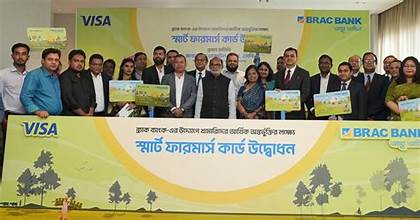
In a landmark move to strengthen its agricultural sector and improve the livelihoods of millions of farmers, Bangladesh has officially launched a nationwide digital “Farmers’ Card” scheme. The initiative is aimed at providing small and marginal farmers with streamlined access to subsidies, financial services, crop insurance, and real-time agricultural advisory support through a single integrated platform.
The Farmers’ Card represents a major step toward digitizing agriculture and ensuring that government benefits reach the intended beneficiaries without delays or leakages. Designed as a smart, technology-enabled solution, the card will serve as a unified identity for farmers, linking them directly to multiple government schemes and services. Officials believe that this initiative will not only boost farm productivity but also enhance transparency and efficiency in agricultural governance.
Under the scheme, registered farmers will receive direct access to input subsidies, including those for seeds, fertilizers, and irrigation. The card will also enable farmers to avail low-interest agricultural loans from banks and financial institutions, thereby reducing their dependence on informal credit sources. Additionally, the inclusion of crop insurance services is expected to provide a safety net against unpredictable weather conditions, natural disasters, and market fluctuations.
One of the most notable features of the Farmers’ Card is its integration with real-time advisory systems. Farmers will receive timely updates on weather forecasts, pest outbreaks, best farming practices, and market prices through mobile connectivity. This information will help them make informed decisions, improve crop yields, and reduce risks associated with farming.
Government officials highlighted that the initiative is particularly focused on empowering smallholder farmers, who constitute the backbone of Bangladesh’s agricultural economy. By simplifying access to essential services and financial support, the Farmers’ Card aims to reduce inequalities and promote inclusive growth in rural areas. Authorities have also emphasized that the system will be regularly updated to incorporate feedback from farmers and adapt to changing agricultural needs.
The rollout of the scheme is being carried out in phases, with priority given to regions that have a high concentration of small and marginal farmers. Extensive awareness campaigns and training programs are being conducted to ensure that farmers understand how to use the card and benefit from its features. Local agricultural offices and extension workers are playing a crucial role in facilitating registration and addressing farmers’ queries.
Experts have welcomed the initiative, calling it a transformative step toward building a resilient and technology-driven agricultural ecosystem. They note that by leveraging digital tools and data-driven insights, Bangladesh can significantly improve productivity, reduce inefficiencies, and strengthen food security.
However, challenges such as digital literacy, infrastructure gaps, and connectivity issues in remote areas remain key concerns. The government has acknowledged these challenges and is working to address them through targeted interventions, including expanding internet access and providing technical support to farmers.
Overall, the Farmers’ Card scheme marks a significant milestone in Bangladesh’s journey toward modernizing agriculture. By combining financial inclusion, technological innovation, and policy support, the initiative has the potential to reshape the rural economy and improve the lives of millions of farmers across the country.


 By
By











