

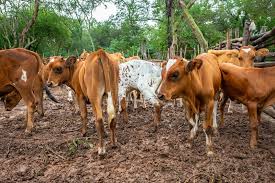
In a significant move toward sustainable livestock production, cattle ranchers in the Brazilian state of Pará are increasingly adopting regenerative agriculture practices to combat deforestation and improve soil fertility. These efforts include rotational grazing, agroforestry systems, and methane-reducing feed supplements, aimed at lowering greenhouse gas emissions from cattle and restoring degraded pastures.
Shift Toward Sustainable Ranching
According to data from Brazil’s Ministry of Agriculture, the country is home to over 230 million cattle, making it one of the largest beef producers in the world. However, traditional ranching practices have been linked to deforestation in the Amazon rainforest, where vast tracts of land are cleared for grazing. The adoption of regenerative techniques in Pará is part of a growing movement to make the beef industry more environmentally responsible.
Environmental and Economic Benefits
Research from Embrapa (Brazilian Agricultural Research Corporation) shows that regenerative practices can increase soil organic matter, improve water retention, and boost pasture productivity. Farmers who have implemented these methods report healthier cattle, reduced input costs, and higher yields over time.
Global Impact on Meat Supply and Climate Goals
As a major beef exporter, Brazil’s production methods have global implications. The shift toward sustainability supports international climate commitments and helps maintain market access to regions demanding deforestation-free beef, such as the European Union.
Incentives for Traceable, Green Production
Industry experts say investors and buyers are increasingly rewarding traceability, carbon reduction, and environmental stewardship in livestock supply chains. This trend is pushing more ranchers to modernize their operations and align with global sustainability standards.
A Step Forward for the Amazon
By integrating regenerative systems, Brazil’s cattle industry is taking a crucial step toward balancing economic productivity with ecological preservation. The transformation not only helps protect the Amazon rainforest but also ensures the long-term viability of one of the world’s most influential beef-producing sectors.


 By
By











