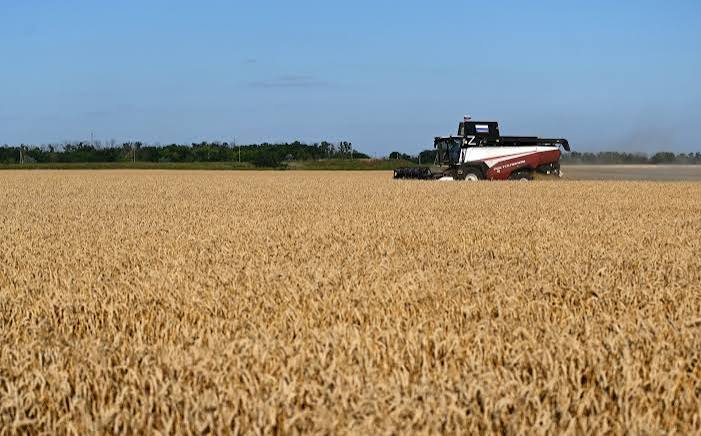
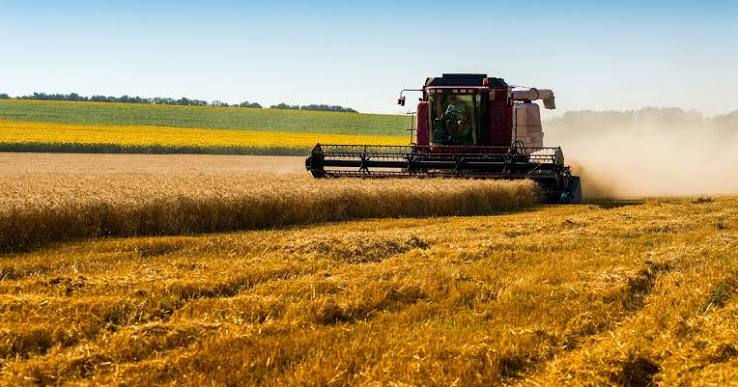
Brasília, October 2025: Brazil’s soybean planting for the 2025/26 season is gaining momentum, with 9% of the crop already sown as of early October, according to official reports. This pace is ahead of last year’s planting schedule, signaling a strong start to one of the world’s most important soybean production cycles.
Agriculture analysts note that favorable weather conditions in key soybean-growing states such as Mato Grosso, Paraná, and Goiás have supported early sowing activities. Farmers have been able to prepare fields and plant seeds efficiently, aiming to take advantage of optimal rainfall patterns and soil conditions.
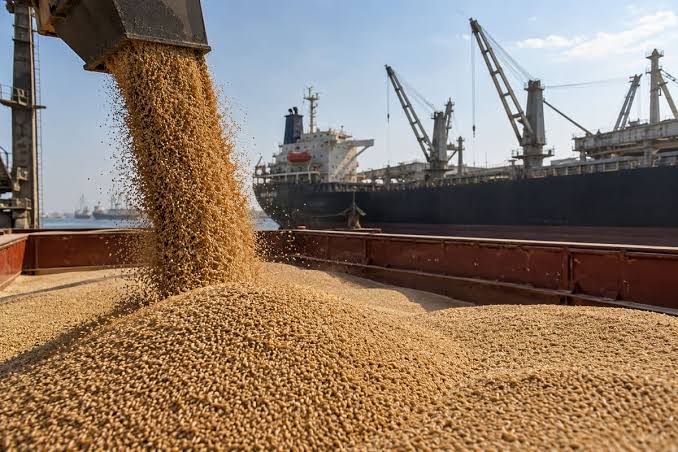
The early start is expected to benefit Brazil’s soybean exports, which remain a major driver of the country’s agricultural economy. With global demand for soybeans remaining robust, particularly from China and other major importers, a timely planting season could help ensure higher yields and strengthen Brazil’s position in international markets.
Officials from the Brazilian Institute of Geography and Statistics (IBGE) highlighted that the initial sowing data suggests an expansion in cultivated area in some regions, driven by favorable market prices and government support programs for farmers. Early planting also allows for flexibility in managing crop cycles and mitigating potential weather-related risks later in the season.
Market observers emphasize that Brazil’s early sowing could have ripple effects on global soybean prices. “With planting ahead of last year, we may see more stable supply forecasts, which could influence commodity markets and trade negotiations,” said an analyst at AgroTrade Consultancy.
As farmers continue sowing through October, all eyes will be on weather patterns, input availability, and crop management practices to determine the final acreage and expected yields. Early progress in Brazil’s soybean belt reflects both farmer preparedness and strong market incentives, offering optimism for a productive 2025/26 season.


 By