The European Union has reached a provisional agreement to relax several environmental requirements linked to its Common Agricultural Policy (CAP), a decision aimed at reducing administrative pressure on farmers and improving the accessibility of subsidy programs. The reform marks one of the most significant adjustments to the CAP in recent years, reflecting growing political pressure to balance climate ambition with practical challenges faced by Europe’s farming community.
Under the new agreement, smaller farmers will be exempt from certain mandatory “green” conditions that were introduced to encourage more sustainable agricultural practices. These conditions previously required farmers to maintain non-productive land for biodiversity, implement stricter soil protection measures, and comply with complex crop rotation rules. Many small and medium-sized producers argued that the regulations added unnecessary paperwork and financial strain at a time when they were already struggling with high input costs, volatile markets, and extreme weather events.
The updated framework reduces paperwork and simplifies compliance procedures for all farmers, while still maintaining core environmental standards. EU officials say the goal is not to weaken green targets but to ensure that the rules are manageable and better adapted to farm realities. The European Commission has emphasized that sustainability remains central to the CAP, but reforms are needed to preserve farmer participation and ensure rural economic stability.
In recent months, farmer protests across several EU countries highlighted frustrations over regulatory burden, rising costs, and competition from imports. Many farmers argued that environmental rules, while important, were being implemented too rigidly, leaving little room to adapt to local conditions. The provisional agreement is seen as a political response to these concerns, offering more flexibility while maintaining broader climate commitments.
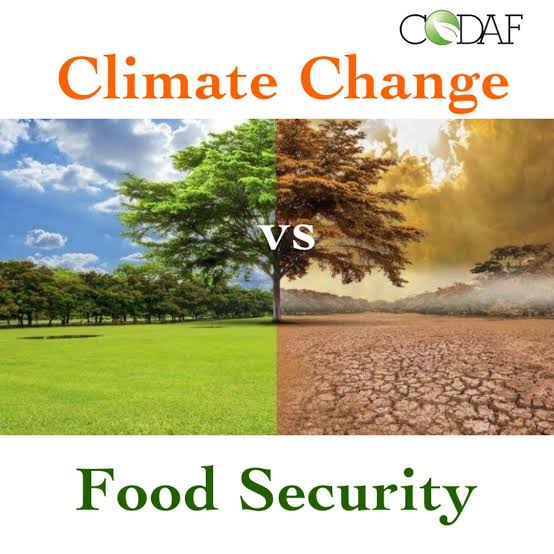
Environmental groups have expressed mixed reactions. Some welcome the effort to streamline the policy but warn that easing green requirements could slow progress on biodiversity protection and climate resilience. They argue that long-term food security depends on healthier soils, cleaner water, and more diverse ecosystems—all of which require strong environmental safeguards.
The agreement will now move to the European Parliament and member states for formal approval. If adopted, the updated rules are expected to take effect in the next CAP cycle, giving national governments time to adjust their implementation plans.
As Europe navigates the twin pressures of climate change and agricultural competitiveness, the reform represents an effort to find common ground between environmental ambition and farmer practicality—an ongoing balancing act at the heart of EU agricultural policy.

 By
By