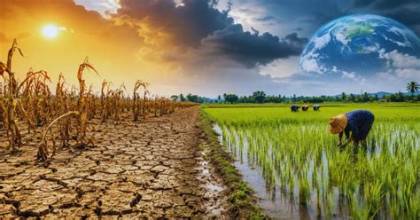
Experts and policy analysts are urging that agriculture be given a central role in global climate financing, highlighting the sector’s dual impact as both a contributor to greenhouse gas emissions and a critical area for climate resilience. Farming activities, including livestock production, rice cultivation, and fertilizer use, account for a significant portion of global emissions, while rural communities remain among the most vulnerable to climate-related shocks such as droughts, floods, and heatwaves.
Recent reports from international organizations stress that climate funding to date has largely focused on energy, transportation, and industrial sectors, leaving agriculture underfunded despite its essential role in food security and sustainable development. Advocates argue that targeted investments in farming practices, technology adoption, and risk management can both reduce emissions and strengthen the resilience of agricultural systems against increasingly erratic weather patterns.
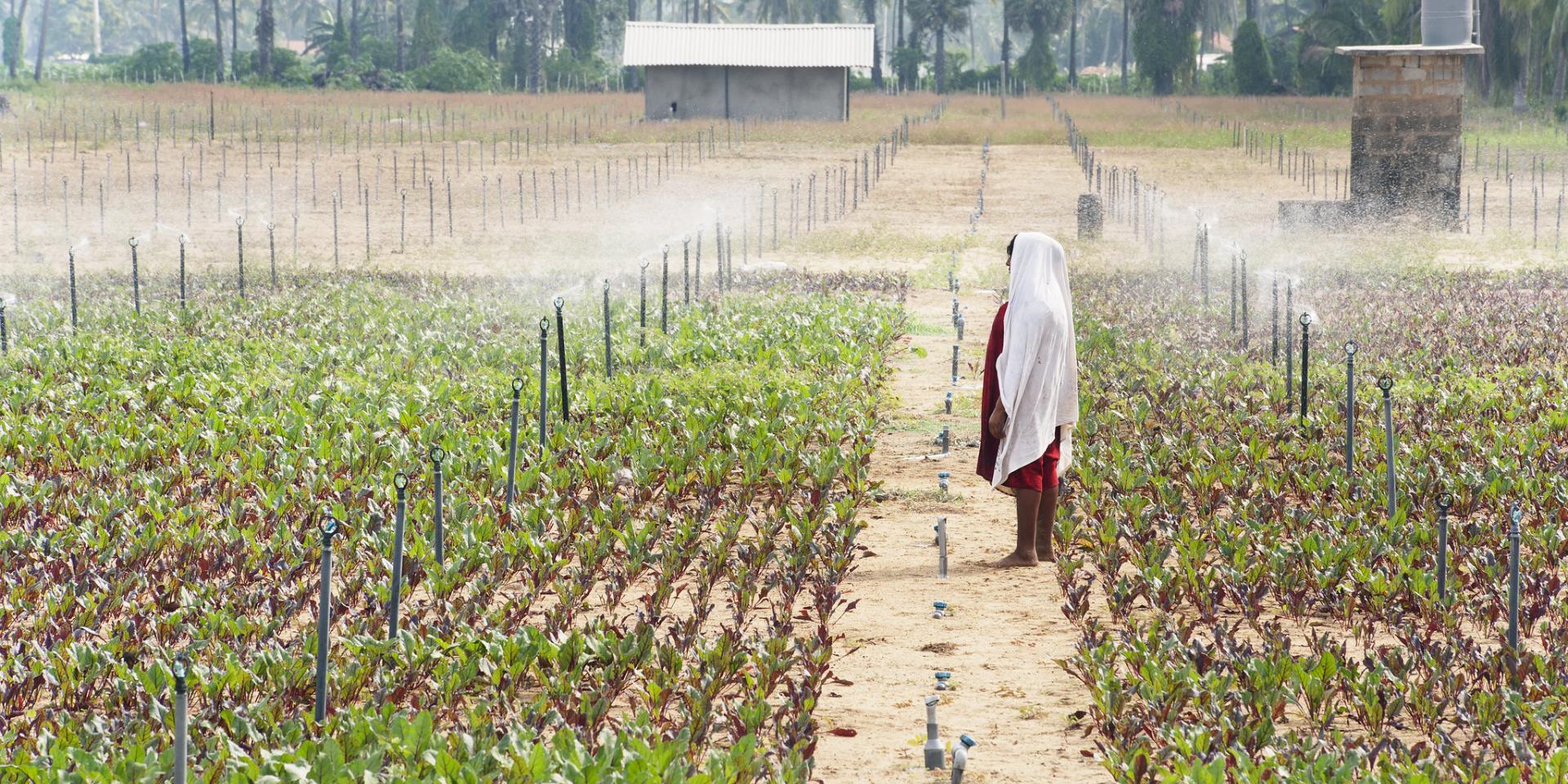
Proposed areas for investment include the promotion of climate-smart agriculture, improved soil management, efficient irrigation, crop diversification, and sustainable livestock practices. Funding can also support research and development, farmer training programs, and infrastructure improvements, such as storage facilities and resilient supply chains, which help communities adapt to climate impacts while minimizing losses.
Analysts note that including agriculture in climate financing not only benefits rural livelihoods but also contributes to broader environmental goals, including biodiversity preservation, carbon sequestration, and sustainable land use. By integrating agriculture into national and international climate plans, policymakers can create synergies between emission reduction strategies and food security objectives.
Experts emphasize that equitable access to climate finance is crucial, particularly for smallholder farmers in developing countries, who often lack resources and face the greatest risks from climate change. Coordinated efforts from governments, development banks, and private investors will be essential to ensure that agriculture receives sufficient funding alongside other high-emission sectors.
As discussions continue ahead of global climate summits, stakeholders are calling for clear commitments, measurable targets, and actionable frameworks that prioritize agriculture as a key component of climate action, aiming to balance mitigation, adaptation, and sustainable development.

 By
By