

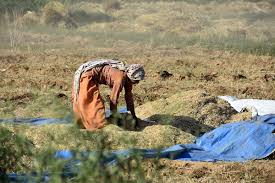
Rising global temperatures are placing unprecedented pressure on food production systems around the world, according to a new report released jointly by the Food and Agriculture Organization (FAO) and the World Meteorological Organization. The report highlights how extreme heat is increasingly threatening crops, livestock, fisheries, and agricultural workers, raising concerns about the future of global food security.
Scientists warn that heatwaves are becoming more frequent, intense, and prolonged as a result of climate change. These conditions are already affecting agricultural productivity across multiple regions, reducing yields, disrupting farming operations, and increasing production costs. The report emphasizes that without stronger adaptation measures, the impacts are likely to intensify in the coming decades.
Crop production is among the sectors most vulnerable to rising temperatures. Excessive heat can damage plant growth, reduce pollination, accelerate moisture loss from soils, and shorten growing periods. Staple crops such as wheat, rice, maize, and soybeans are particularly sensitive to extreme temperatures during critical growth stages. Repeated heat stress can significantly lower yields and affect crop quality, creating challenges for both farmers and food markets.
Livestock producers are also facing growing difficulties. High temperatures can reduce animal productivity, lower feed intake, affect reproduction rates, and increase the risk of disease outbreaks. Dairy and poultry sectors are especially vulnerable, as prolonged heat exposure can lead to significant production losses. Farmers in many regions are being forced to invest in cooling systems, improved housing, and additional water resources to protect their animals.
The report further notes that fisheries and aquaculture operations are increasingly affected by warming water temperatures. Heat-related changes in marine and freshwater ecosystems can alter fish migration patterns, reduce oxygen levels, and increase the occurrence of harmful algal blooms. These developments threaten the livelihoods of fishing communities and could reduce the availability of an important source of protein for millions of people.
Agricultural workers are among those most directly exposed to extreme heat. Long hours in high temperatures can increase the risk of heat stress, dehydration, and other health problems, reducing labor productivity and creating safety concerns. Experts stress the need for improved working conditions, access to water, and heat protection measures for farm workers.
The FAO and WMO report calls for greater investment in climate adaptation strategies, including heat-tolerant crop varieties, efficient irrigation systems, improved weather forecasting, and climate-smart farming practices. Strengthening early warning systems and expanding agricultural research are also considered essential for helping farmers adapt to increasingly challenging conditions.
Experts emphasize that food systems must become more resilient to cope with the growing impacts of climate change. Coordinated action by governments, research institutions, farmers, and international organizations will be critical to protecting agricultural production and ensuring stable food supplies.
As extreme heat events continue to increase across many parts of the world, the report serves as a stark reminder that climate change is no longer a future challenge but a present reality. Building resilient agricultural systems will be essential to safeguarding food security and supporting rural livelihoods in the years ahead.


 By
By











