

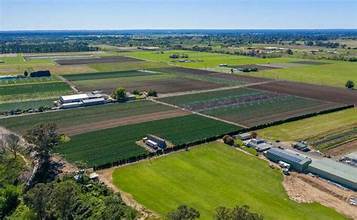
Farmers across Australia are raising serious concerns about potential fresh food shortages, as soaring input costs force many to scale back production. The sharp rise in diesel and fertilizer prices is significantly increasing the cost of farming, putting pressure on profitability and threatening the stability of food supplies.
Diesel, a critical input for agricultural operations such as planting, irrigation, and transportation, has become increasingly expensive due to global energy market disruptions. At the same time, fertilizer prices remain elevated, driven by supply chain constraints and geopolitical tensions. Together, these rising costs are making it difficult for farmers to maintain normal production levels.
As a result, some growers are choosing to reduce the area under cultivation or cut back on input usage. This is particularly evident in sectors producing fruits, vegetables, and other perishable goods, where profit margins are already tight. Lower production in these categories could lead to reduced availability of fresh food in markets and supermarkets.
Industry experts warn that the situation could have direct consequences for consumers. If supply continues to tighten, supermarket shelves may see limited stock of certain fresh produce items, along with higher retail prices. The impact is expected to be more pronounced in remote and regional areas, where supply chains are already stretched.
Farm profitability is another major concern. With input costs rising faster than market returns, many farmers are facing financial stress. Smaller producers are especially vulnerable, as they often lack the resources to absorb sustained cost increases. This could lead to a consolidation of farms or even exits from the sector, further affecting overall production capacity.
Agricultural groups and farmer associations are urging the government to step in with support measures. Proposed solutions include fuel subsidies, financial assistance, and policies to stabilize input costs. There are also calls for investment in alternative energy sources and more efficient farming technologies to reduce dependence on expensive diesel.
The issue highlights the broader vulnerability of food systems to global economic shocks. Even in a developed agricultural economy like Australia, disruptions in input supply and rising costs can quickly translate into production challenges and food security concerns.
Looking ahead, the situation will depend on how quickly input costs stabilize and whether farmers receive adequate support. In the meantime, both producers and consumers are bracing for a period of uncertainty, with the risk of tighter food supplies and higher prices looming over the market.


 By
By











