Recent data highlights the continued expansion and resilience of Mexico’s agricultural sector, which now ranks 11th in the world in terms of total agricultural production. The nation’s unique combination of geographic diversity, varied climate zones, and a wide crop portfolio underpins its success in serving both domestic consumers and export markets.
Diverse Production Across Regions
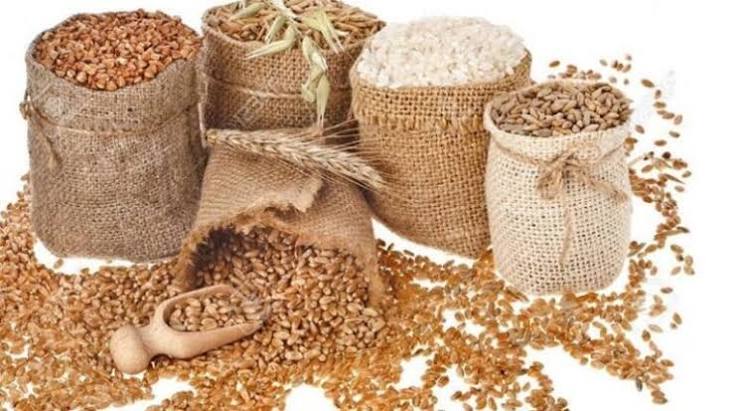
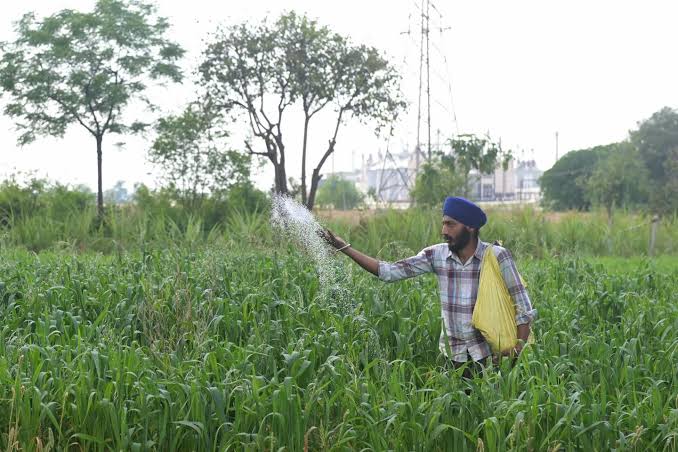
From the tropical fruit farms of the south to the grain and vegetable belts of the north, Mexico’s agricultural landscape is among the most diverse globally. The country produces a wide range of commodities including corn, avocados, tomatoes, sugarcane, berries, and livestock products, supporting millions of rural livelihoods and generating significant export revenue.
Balancing Domestic and Export Markets
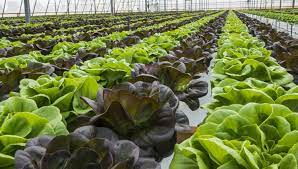
Mexico’s dual-market strength allows it to balance local food security needs with international trade opportunities. The country is a leading exporter of several high-value crops—especially avocados, berries, and fresh vegetables—which are in strong demand in markets such as the United States, Canada, and Europe.
Resilience Through Diversity
Experts note that this agro-climatic diversity makes Mexico’s farming system more resilient to climate variability and market fluctuations. The spread of agricultural production across multiple regions reduces the impact of localized droughts, pests, or economic shocks—ensuring stability in overall output.
Lessons for Other Nations
Analysts suggest that Mexico’s diversified farming model could serve as a valuable benchmark for other developing economies aiming to strengthen agricultural resilience. By combining regional specialization, crop diversification, and export-oriented value chains, Mexico offers a practical example of how geography can be leveraged for sustainable growth.
Outlook: Growth with Adaptability
With continued investment in infrastructure, innovation, and sustainability, Mexico’s agricultural sector is well positioned to maintain steady growth. Its success underscores the importance of diversity and adaptability as key drivers of long-term agricultural competitiveness in a changing global market.Recent data highlights the continued expansion and resilience of Mexico’s agricultural sector, which now ranks 11th in the world in terms of total agricultural production. The nation’s unique combination of geographic diversity, varied climate zones, and a wide crop portfolio underpins its success in serving both domestic consumers and export markets.
Diverse Production Across Regions
From the tropical fruit farms of the south to the grain and vegetable belts of the north, Mexico’s agricultural landscape is among the most diverse globally. The country produces a wide range of commodities including corn, avocados, tomatoes, sugarcane, berries, and livestock products, supporting millions of rural livelihoods and generating significant export revenue.
Balancing Domestic and Export Markets
Mexico’s dual-market strength allows it to balance local food security needs with international trade opportunities. The country is a leading exporter of several high-value crops—especially avocados, berries, and fresh vegetables—which are in strong demand in markets such as the United States, Canada, and Europe.
Resilience Through Diversity
Experts note that this agro-climatic diversity makes Mexico’s farming system more resilient to climate variability and market fluctuations. The spread of agricultural production across multiple regions reduces the impact of localized droughts, pests, or economic shocks—ensuring stability in overall output.
Lessons for Other Nations
Analysts suggest that Mexico’s diversified farming model could serve as a valuable benchmark for other developing economies aiming to strengthen agricultural resilience. By combining regional specialization, crop diversification, and export-oriented value chains, Mexico offers a practical example of how geography can be leveraged for sustainable growth.
Outlook: Growth with Adaptability
With continued investment in infrastructure, innovation, and sustainability, Mexico’s agricultural sector is well positioned to maintain steady growth. Its success underscores the importance of diversity and adaptability as key drivers of long-term agricultural competitiveness in a changing global market.


 By