

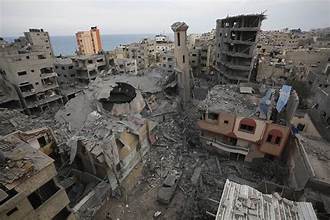
Rising geopolitical tensions in the Middle East are beginning to ripple through global agricultural systems, prompting serious concerns about food security worldwide. Leading farmer organizations and industry experts have warned that the ongoing instability is disrupting critical supply chains for fertilizers, fuel, and food commodities—key inputs that underpin global food production.
The Middle East plays a strategic role in global trade, particularly in energy supplies. Any disruption in oil and gas flows directly affects fuel prices, which in turn raises the cost of agricultural operations such as irrigation, transportation, and mechanized farming. As fuel prices climb, farmers across the globe face increased production expenses, which are often passed on to consumers in the form of higher food prices.
In addition to fuel, fertilizer supply chains are also under strain. Many countries depend on imports of essential inputs like nitrogen, phosphate, and potash-based fertilizers. Supply disruptions or price volatility in these inputs can significantly reduce farmers’ ability to maintain crop yields. Experts warn that even a short-term shortage could have long-term consequences, including reduced harvests and tighter global food supplies.
Farmer groups have highlighted that developing nations are particularly vulnerable. In regions where farmers already struggle with limited resources, rising input costs can force them to cut back on fertilizer use or reduce the scale of cultivation. This can lead to lower productivity and increased risk of food insecurity at both local and national levels.
Global trade routes are also feeling the impact. Heightened tensions in key shipping corridors have raised concerns about delays and increased freight costs. These disruptions affect not only the movement of agricultural commodities but also essential inputs needed for farming. As logistics become more complex and expensive, the entire food supply chain—from production to distribution—faces added pressure.
Organizations such as the World Farmers’ Organisation have called for urgent international cooperation to stabilize supply chains and ensure the uninterrupted flow of agricultural inputs. They emphasize the need for coordinated policies, strategic reserves, and support mechanisms to protect farmers from sudden market shocks.
The situation also underscores the interconnected nature of global food systems. A conflict in one region can quickly cascade into a worldwide issue, affecting prices, availability, and access to food. With climate change already placing stress on agriculture, additional geopolitical disruptions further compound the risks.
Experts caution that if tensions continue to escalate, the world could face a period of prolonged food price volatility and potential shortages. To mitigate these risks, governments and international agencies are being urged to act swiftly—strengthening supply chains, supporting farmers, and ensuring that vulnerable populations remain protected.
As the global community watches developments in the Middle East, the focus is increasingly shifting toward safeguarding food systems against uncertainty. The coming months will be critical in determining how effectively the world can respond to these emerging challenges.


 By
By











