Agricultural research institutions around the world are significantly increasing investments in climate-resilient crop development, reflecting growing concerns about the impact of extreme weather events on global food production. Among the latest initiatives is a major £35 million research program aimed at developing crop varieties that can better withstand drought, heat, floods, and emerging plant diseases.
The investment comes at a critical time for global agriculture, as farmers face increasing uncertainty due to climate change. Rising temperatures, irregular rainfall patterns, prolonged droughts, and more frequent extreme weather events are placing unprecedented pressure on food production systems. Researchers believe that developing resilient crop varieties will be essential to maintaining food security in the decades ahead.
The new initiative brings together scientists, plant breeders, agricultural institutions, and industry partners to accelerate research into next-generation crops capable of adapting to changing environmental conditions. The program will focus on improving resistance to weather extremes while also enhancing protection against pests and diseases that are becoming more widespread due to shifting climatic conditions.
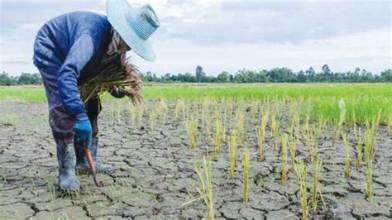
Experts say traditional crop varieties are increasingly vulnerable to climate-related stresses. Many staple crops, including wheat, rice, maize, and legumes, experience significant yield losses when exposed to prolonged heat waves, water shortages, or disease outbreaks. Developing crops that can tolerate these challenges is viewed as one of the most effective long-term strategies for safeguarding global food supplies.
Researchers involved in the project will use advanced breeding techniques, genomics, and biotechnology tools to identify and develop desirable traits. These may include improved drought tolerance, enhanced water-use efficiency, stronger disease resistance, and the ability to maintain yields under high-temperature conditions. Scientists are also exploring ways to improve nutrient efficiency, enabling crops to perform better with fewer agricultural inputs.
Agricultural experts emphasize that climate-resilient crops are becoming increasingly important as global demand for food continues to rise. The world’s population is expected to exceed nine billion in the coming decades, placing additional pressure on farmers to produce more food despite increasingly difficult growing conditions.
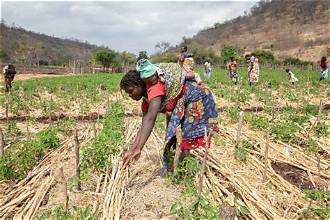
The £35 million investment is also expected to strengthen collaboration between research institutions and farming communities. Field trials and on-farm testing will play a key role in ensuring that newly developed crop varieties meet the practical needs of growers across different regions and production systems.
Industry leaders have welcomed the initiative, describing it as a proactive step toward building more sustainable and resilient agricultural systems. They argue that investments in agricultural research generate long-term benefits by improving productivity, reducing production risks, and helping farmers adapt to environmental change.
Governments and international organizations have repeatedly highlighted agricultural innovation as a key component of climate adaptation strategies. Alongside improved irrigation systems, precision agriculture technologies, and sustainable farming practices, resilient crop development is considered essential for strengthening food systems against future shocks.
Researchers caution that developing and deploying new crop varieties requires sustained investment and long-term commitment. However, they remain optimistic that advances in plant science can help address many of the challenges posed by climate change.
As weather extremes continue to affect agricultural regions worldwide, the growing focus on crop resilience research underscores a broader shift in global agricultural priorities. The latest investment signals a strong commitment to ensuring that future generations of farmers have the tools needed to produce reliable harvests in an increasingly unpredictable climate.

 By
By