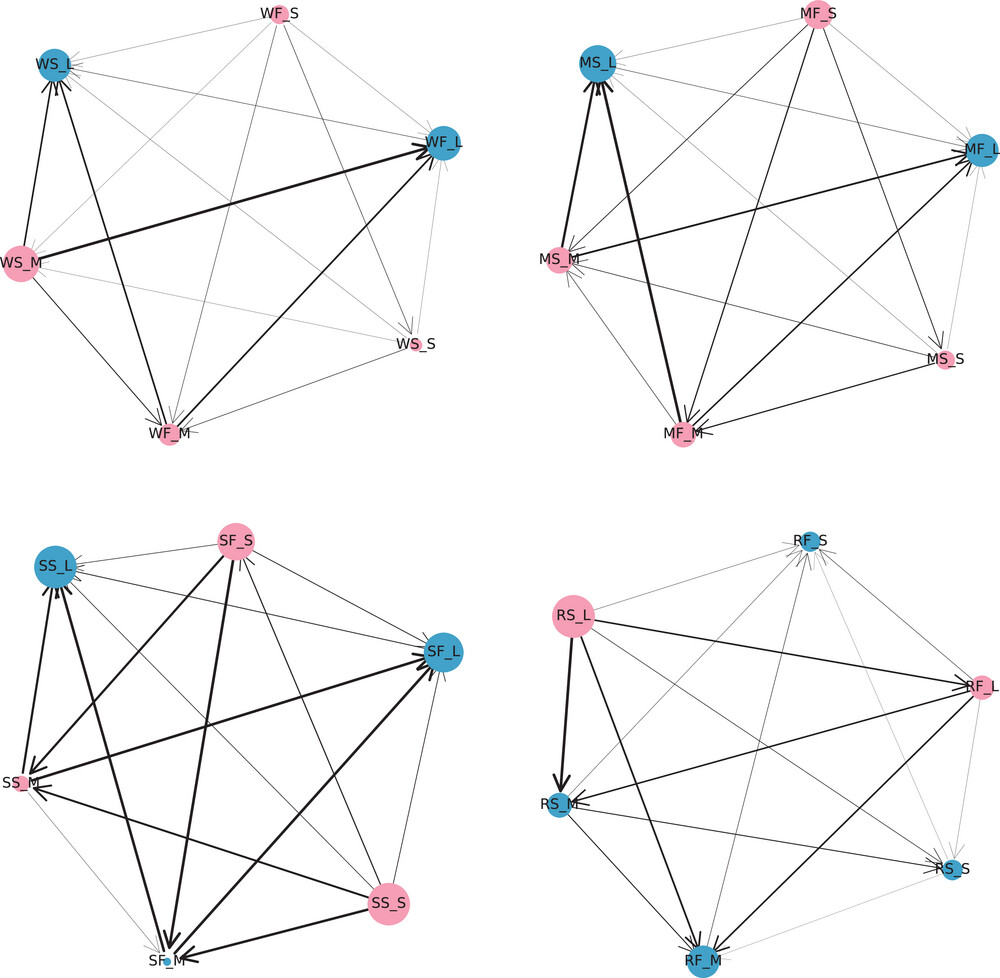
A new body of research examining global staple food markets—specifically wheat, corn, and soybeans—has found that risk contagion across these commodities is becoming more complex and widespread. The study reveals that futures markets are experiencing heightened volatility, and external shocks such as climate extremes and geopolitical disruptions are increasingly transmitting risk across both time scales and market segments. These findings raise fresh concerns about global food security and the stability of international commodity trade.
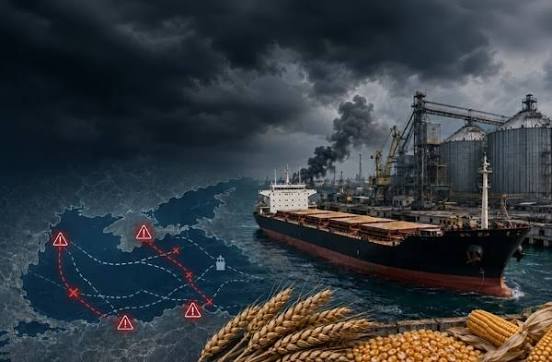
According to the research, the interconnected nature of modern agricultural markets means that a disturbance in one sector can quickly spill over into others. For instance, a climate-related shock such as drought in a major corn-producing region can influence not only corn prices but also wheat and soy markets, as traders adjust expectations and supply chains reconfigure. Similarly, geopolitical tensions—whether linked to trade disputes, conflicts, or export restrictions—can trigger rapid movements in futures markets across multiple commodities at once.
One of the key insights from the study is that these spillovers occur across multiple time horizons. Short-term volatility may spike immediately after a disruptive event, often magnified by speculative trading and algorithmic market responses. However, longer-term effects may also unfold as supply chains adjust, stocks tighten or expand, and policy responses take shape. This layered risk structure makes forecasting and mitigation more challenging for governments, traders, and food companies.
The research also highlights the growing influence of financialization in global food markets. As more institutional investors participate in agricultural futures, price movements increasingly reflect broader financial market dynamics in addition to traditional supply-and-demand fundamentals. This trend, while improving market liquidity, can also amplify cross-market contagion during periods of heightened uncertainty.
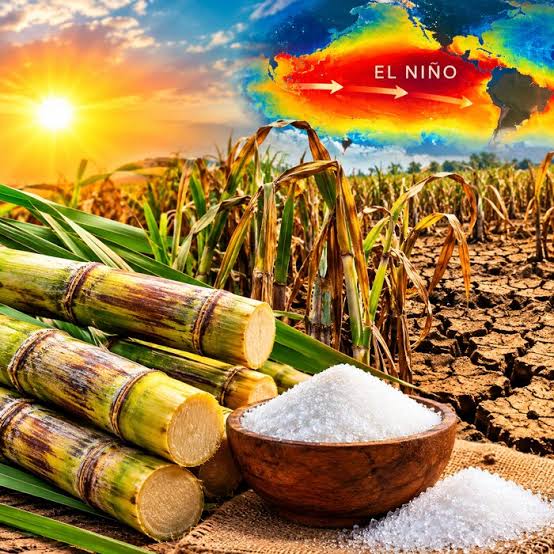
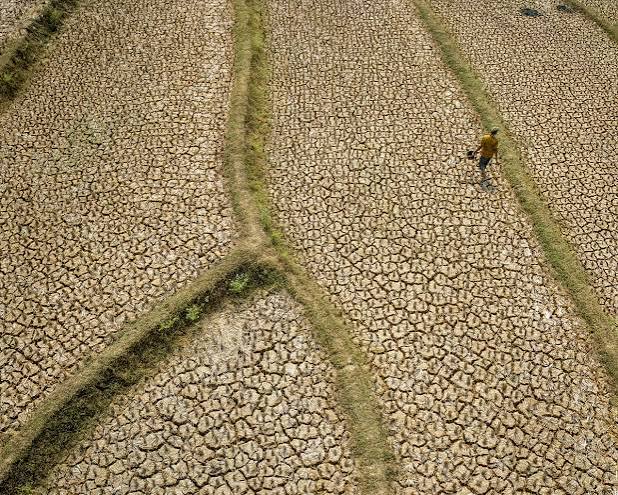
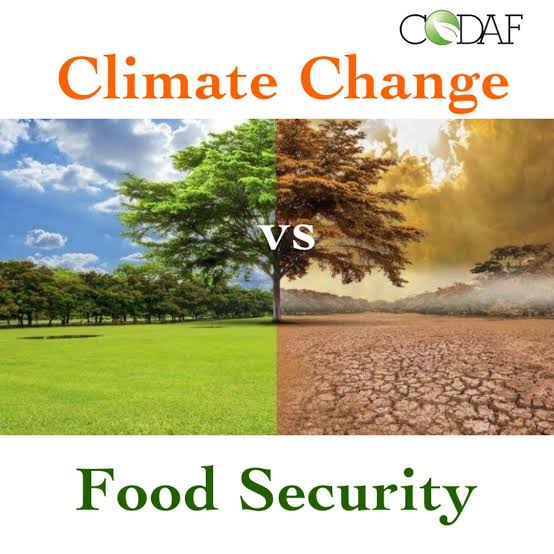
Climate change is another central factor intensifying risk interactions. Rising temperatures, shifting rainfall patterns, and more frequent extreme weather events are affecting crop yields in unpredictable ways. Because wheat, corn, and soybeans form the backbone of global food and feed supplies, even modest disruptions can reverberate through livestock markets, energy markets (via biofuels), and consumer food prices worldwide.
Researchers warn that this growing complexity underscores the need for stronger risk management tools, including improved market transparency, diversified sourcing strategies, and enhanced climate adaptation measures across agricultural systems. Policymakers are also encouraged to monitor market linkages more closely to anticipate spillovers and respond more effectively during crises.
Overall, the study paints a picture of staple food markets that are more intertwined—and more vulnerable—than ever before. As climate and geopolitical risks continue to rise, understanding and managing these cross-market spillovers will be crucial for maintaining global food system resilience.

 By
By