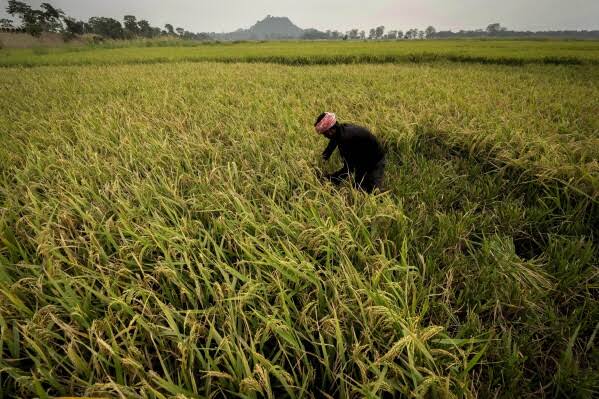
Organic farmland in the European Union has hit a record high, with certified organic producers now managing nearly 10% of the bloc’s total agricultural land. This surge reflects growing consumer demand, policy incentives, and environmental consciousness.
Latest data from Eurostat shows that organic farmland grew by 5% in the past year. Countries like Austria, Estonia, and Sweden lead the way, with over 20% of their farmland under organic management. Even traditionally conventional producers such as France and Spain have registered double-digit growth.
Farmers cite improved soil fertility, reduced reliance on synthetic inputs, and premium prices as leading benefits. Soil microbiologists confirm long-term organic tracts have significantly higher biodiversity and nutrient cycling rates. Meanwhile, EU farm subsidies through the Common Agricultural Policy (CAP) have been instrumental, offering 200–300 EUR/ha for organic conversion.
Challenges like labor intensity and certification costs remain, but cooperation among farmer cooperatives, agri-innovators, and marketplaces for organic produce point to a sustainable upward trajectory for agroecological agriculture in Europe.

 By
By