

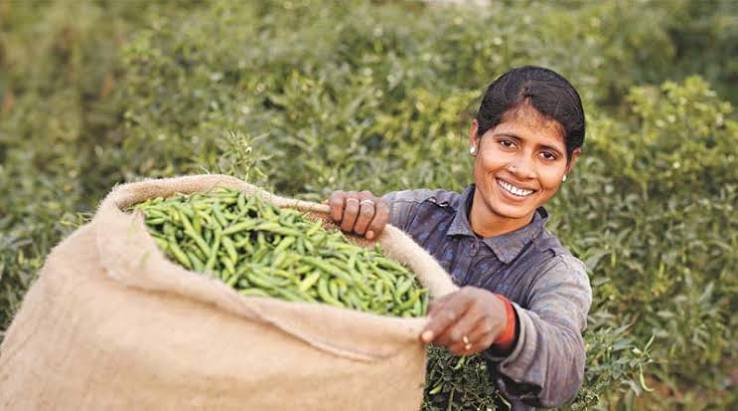
Climate change is already taking a heavy toll on the world’s agricultural sector, with farmers collectively losing more than US$20 billion every year due to declining crop yields, according to a new international study. The research highlights the growing economic burden of rising temperatures, changing rainfall patterns, prolonged droughts, floods, and extreme weather events on global food production.
The study found that staple crops such as maize (corn), wheat, and soybeans have been among the hardest hit. These crops form the backbone of global food security and livestock feed systems, making their declining productivity a major concern for governments, farmers, and consumers alike.
Researchers emphasized that the estimated annual losses represent only the current impact of climate change. Without significant investments in climate adaptation and sustainable farming practices, these economic damages could increase nearly eightfold by the end of the 21st century, placing enormous pressure on food systems and rural livelihoods across the globe.
Staple Crops Face Increasing Risks
The researchers analyzed agricultural production across multiple regions and found that climate-related stresses are reducing yields in several major crop-producing countries. Rising average temperatures, frequent heatwaves during critical crop growth stages, irregular monsoon patterns, and water shortages have significantly affected productivity.
Maize is particularly vulnerable to heat stress during pollination, while wheat production suffers from higher temperatures during grain filling. Soybean crops are also increasingly affected by erratic rainfall, drought conditions, and changing seasonal weather patterns.
Lower yields not only reduce farmers’ incomes but also contribute to higher food prices, greater market volatility, and increased risks to global food security.
Developing Countries Bear the Greatest Burden
The study notes that while climate change affects agriculture worldwide, the greatest financial and production losses are being experienced in developing countries. Farmers in these regions often rely on rain-fed agriculture and have limited access to irrigation, improved crop varieties, crop insurance, and advanced farming technologies.
Smallholder farmers are especially vulnerable because they possess fewer financial resources to recover from crop failures caused by droughts, floods, storms, or prolonged heatwaves. Repeated climate shocks can trap farming communities in cycles of poverty while threatening national food supplies.
Experts believe that strengthening climate resilience in developing nations should become a global priority through increased investment, technology transfer, and financial support.
Adaptation Can Reduce Future Losses
Despite the alarming projections, researchers stress that the future is not predetermined. Effective climate adaptation strategies can significantly reduce agricultural losses and improve long-term resilience.
Some of the key adaptation measures recommended include:
- Developing climate-resilient crop varieties that tolerate drought, heat, and flooding.
- Expanding efficient irrigation systems and improving water management.
- Promoting climate-smart agricultural practices such as conservation agriculture and precision farming.
- Improving weather forecasting and early warning systems to help farmers make informed decisions.
- Encouraging crop diversification to reduce dependence on a single commodity.
- Expanding agricultural insurance and financial safety nets for farmers.
The researchers argue that investments made today in adaptation will cost far less than the economic damages expected in the coming decades if climate risks continue to intensify.
Food Security at Stake
Climate change is emerging as one of the greatest threats to global food security. As the world’s population continues to grow, agricultural production must increase substantially to meet future food demand. However, worsening climate conditions could make achieving this goal increasingly difficult.
Reduced crop yields may lead to supply shortages, rising food prices, greater dependence on imports in many countries, and increased pressure on natural resources. Vulnerable populations in low-income nations are expected to face the greatest risks from declining food availability and affordability.
The study calls for stronger international cooperation to support climate adaptation in agriculture while simultaneously reducing greenhouse gas emissions that contribute to global warming.
A Call for Urgent Action
Researchers conclude that the annual loss of more than US$20 billion is a clear warning that climate change is no longer a future challenge—it is already affecting farmers and food production worldwide. Unless governments, research institutions, financial organizations, and the private sector work together to accelerate climate adaptation, agricultural losses are expected to grow dramatically over the coming decades.
The findings reinforce the urgent need for policies that strengthen resilient farming systems, protect rural livelihoods, and ensure global food security in an increasingly uncertain climate. Investing in climate-smart agriculture today, the researchers say, will be essential to safeguarding the future of farming and feeding a growing global population.


 By
By











