

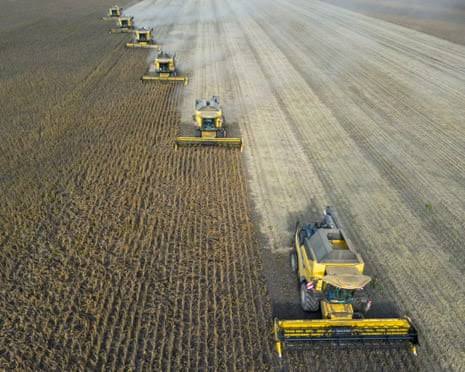
A developing Super El Niño is raising fresh concerns among economists and agricultural experts, who warn that the powerful climate phenomenon could trigger prolonged global food price inflation through 2028. According to recent economic assessments, extreme weather associated with a stronger-than-normal El Niño could significantly disrupt agricultural production across major farming regions, reducing supplies of essential commodities and driving food prices higher worldwide.
The warning comes as many countries continue to recover from previous climate shocks that have already strained food supply chains. Experts believe that if the developing El Niño intensifies into a “Super El Niño,” its effects could be felt across global agriculture, increasing the risk of inflation, food insecurity, and economic uncertainty.
Major Crops at Risk
Economists identify several globally important crops that are particularly vulnerable to El Niño-related weather extremes. These include rice, sugar, coffee, and palm oil, all of which play a vital role in international food markets.
Rice production may suffer from reduced rainfall and water shortages in key Asian producing countries, while sugarcane crops could face drought stress that lowers yields. Coffee-growing regions in South America and Southeast Asia may experience excessive heat and irregular rainfall, affecting both production volumes and bean quality. Meanwhile, palm oil plantations in Indonesia and Malaysia could see declining output due to prolonged dry conditions.
Since these commodities are widely traded internationally, any production shortfall could quickly translate into higher prices for consumers around the world.
Extreme Weather Threatens Agriculture
El Niño is a naturally occurring climate pattern characterized by unusually warm sea surface temperatures in the central and eastern Pacific Ocean. This warming alters global weather systems, often bringing drought to some regions while causing heavy rainfall and flooding in others.
A Super El Niño represents an exceptionally strong version of this phenomenon, capable of triggering widespread climate disruptions. Scientists warn that farmers could face a combination of prolonged droughts, flash floods, intense heatwaves, and unpredictable rainfall during critical crop-growing periods.
These weather extremes can reduce crop yields, delay planting schedules, damage harvests, increase pest and disease outbreaks, and create long-term stress on agricultural ecosystems.
Food Prices Could Remain Elevated
Economic analysts warn that climate-related disruptions may keep global food prices elevated for several years. Lower agricultural output, combined with growing demand and supply chain challenges, could fuel inflation across many food categories.
Higher prices for rice, sugar, coffee, and edible oils would affect households worldwide, particularly in developing countries where food accounts for a large share of household spending. Rising production costs for livestock feed and processed foods may also contribute to broader inflation across the food sector.
Financial markets are closely monitoring weather forecasts, as agricultural commodity prices often react quickly to signs of worsening climate conditions.
Farmers Face Growing Challenges
For farmers, a Super El Niño presents both production and financial risks. Extended dry spells may reduce irrigation water availability, while sudden heavy rains can damage standing crops and erode fertile soil. Heat stress can also lower crop productivity and reduce the effectiveness of fertilizers.
Smallholder farmers are expected to be among the most vulnerable, especially those dependent on rain-fed agriculture. Without adequate irrigation, crop insurance, or access to climate-resilient technologies, many producers may struggle to cope with repeated weather shocks.
Agricultural experts recommend adopting drought-tolerant crop varieties, improving water conservation practices, diversifying cropping systems, and strengthening weather advisory services to reduce climate risks.
Governments Preparing for Possible Impact
Several governments are already increasing monitoring efforts and preparing contingency plans to minimize the impact of a potential Super El Niño. Measures under consideration include strengthening food reserves, improving irrigation management, supporting farmers through financial assistance, and ensuring stable supplies of essential commodities.
International organizations are also encouraging greater investment in climate-resilient agriculture and early warning systems to help farmers make informed decisions before extreme weather strikes.
Need for Long-Term Climate Resilience
While El Niño is a natural climate cycle, scientists note that rising global temperatures caused by climate change may intensify the impacts of extreme weather events. This makes building resilient agricultural systems increasingly important for ensuring global food security.
Economists conclude that if the developing Super El Niño strengthens as forecast, governments, policymakers, and the agricultural sector must act proactively to protect food production, stabilize markets, and support vulnerable farming communities. Strengthening climate adaptation strategies today could help reduce economic losses and limit food price inflation in the years ahead.


 By
By











