

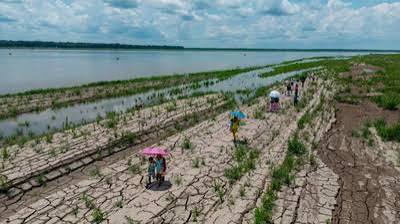
The World Meteorological Organization (WMO) has called on governments, agricultural agencies, and farmers around the world to take immediate steps to prepare for the potential impacts of El Niño, warning that the climate phenomenon could significantly affect food production, water availability, and rural livelihoods. The organization emphasized that proactive planning and timely action can help reduce crop losses, protect livestock, and strengthen food security in vulnerable regions.
According to the WMO, El Niño has the potential to alter global weather patterns, bringing prolonged droughts to some regions while causing excessive rainfall and flooding in others. These changing weather conditions can disrupt planting schedules, reduce crop yields, damage agricultural infrastructure, and increase the risk of food shortages if adequate preparedness measures are not implemented.
The agency stressed that governments should use seasonal climate forecasts to support informed decision-making and strengthen agricultural resilience before weather conditions deteriorate.
Improving Water Management a Top Priority
One of the WMO’s key recommendations is the adoption of better water management practices to help farmers cope with expected rainfall variability. In many regions, El Niño is associated with below-average rainfall and declining water availability, making efficient water use essential for sustaining agricultural production.
The organization encourages governments to improve irrigation infrastructure, expand rainwater harvesting systems, promote groundwater conservation, and support efficient irrigation technologies such as drip and sprinkler systems. Farmers are also advised to adopt soil moisture conservation practices, including mulching, conservation tillage, and the use of cover crops to reduce water loss.
Improved water management can help maintain crop productivity during dry periods while reducing the impact of drought on farming communities.
Strengthening Early Warning Systems
The WMO emphasized that reliable early warning systems are among the most effective tools for reducing climate-related agricultural losses. Accurate weather forecasts and seasonal climate outlooks enable farmers to make timely decisions regarding planting dates, irrigation scheduling, fertilizer application, pest management, and harvesting.
The organization urged governments to strengthen national meteorological services, expand weather monitoring networks, and improve communication between climate agencies and farming communities. Mobile-based weather advisories, digital agriculture platforms, and community-based extension services can help ensure that farmers receive timely and location-specific information.
Early warning systems also allow disaster management authorities to prepare for floods, droughts, heatwaves, and storms before they cause widespread damage.
Climate-Resilient Farming Practices
The WMO recommends wider adoption of climate-resilient agricultural practices to reduce vulnerability to increasingly unpredictable weather conditions. Farmers are encouraged to cultivate drought-tolerant and heat-resistant crop varieties, diversify cropping systems, improve soil health, and use integrated nutrient and pest management techniques.
Crop diversification can reduce the risk of complete harvest failure, while healthier soils improve water retention and enhance resilience during periods of drought. Precision agriculture technologies, satellite monitoring, and digital farm management tools can also help optimize the use of water, fertilizers, and other farm inputs.
Livestock producers are advised to strengthen fodder reserves, improve water storage, and develop contingency plans to protect animals during prolonged dry spells or extreme heat.
Governments Urged to Act Early
The WMO called on governments to integrate climate forecasts into agricultural planning and disaster preparedness programs. National authorities are encouraged to maintain adequate food reserves, support climate-smart agriculture, expand crop insurance programs, and provide timely financial assistance to farmers affected by extreme weather.
Public investment in irrigation infrastructure, watershed development, agricultural research, and rural extension services will be critical in helping farming communities adapt to changing climatic conditions.
The organization also highlighted the importance of collaboration between meteorological agencies, agricultural ministries, research institutions, and local governments to ensure coordinated responses to climate risks.
Protecting Food Security
Agriculture remains one of the sectors most vulnerable to climate variability, and the impacts of El Niño can extend beyond farms to affect food prices, rural incomes, and national economies. Lower crop production resulting from droughts or floods may reduce food availability and increase market volatility, particularly in countries that rely heavily on rain-fed agriculture.
The WMO warned that without adequate preparedness, climate-related disruptions could place additional pressure on global food systems already facing challenges from population growth, geopolitical tensions, and economic uncertainty.
Building Long-Term Climate Resilience
The organization emphasized that preparing for El Niño should be part of a broader strategy to strengthen long-term climate resilience in agriculture. Investments in climate-smart farming, sustainable water management, resilient crop varieties, digital weather services, and modern agricultural technologies will help farmers adapt to future climate challenges.
The WMO concluded that early action remains the most effective way to minimize agricultural losses and protect rural livelihoods. By improving preparedness today, governments and farming communities can better withstand the impacts of El Niño, safeguard food production, and contribute to a more resilient and sustainable global agricultural system.


 By
By











