

The United States Department of Agriculture (USDA) has intensified its response to the detection of the New World Screwworm (NWS), a highly destructive livestock pest that poses a serious threat to cattle, sheep, goats, horses, wildlife, and other warm-blooded animals. Following confirmed detections in affected areas, federal and state authorities have expanded surveillance, strengthened containment measures, and increased emergency preparedness efforts to prevent the parasite from spreading further.
The New World Screwworm is considered one of the most dangerous livestock pests because its larvae feed on the living tissue of animals rather than dead tissue. If left untreated, infestations can cause severe wounds, secondary infections, reduced productivity, and even death in affected animals, leading to significant economic losses for livestock producers.
USDA Strengthens Surveillance and Monitoring
The USDA has deployed additional veterinary teams and pest surveillance programs in areas considered vulnerable to the spread of the parasite. Animal health officials are conducting extensive field inspections, monitoring livestock movements, and increasing the use of insect traps to detect the presence of adult screwworm flies.
Authorities are also working closely with state agriculture departments, veterinarians, livestock producers, and wildlife agencies to ensure rapid reporting of suspected cases. Farmers have been encouraged to immediately report unusual wounds or maggot infestations in animals so that veterinary teams can respond without delay.
According to USDA officials, early detection remains the most effective strategy for containing outbreaks and preventing wider transmission.
Understanding the New World Screwworm
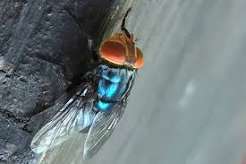
The New World Screwworm is the larval stage of the Cochliomyia hominivorax fly. Female flies lay their eggs on open wounds, recent surgical sites, or the navels of newborn animals. Once hatched, the larvae burrow into healthy living tissue, causing deep and painful wounds that continue to enlarge as the larvae feed.
Infested animals often show symptoms such as swelling, foul-smelling wounds, reduced appetite, discomfort, weight loss, and abnormal behavior. Without prompt veterinary treatment, infestations can become life-threatening.
Unlike many other fly species whose larvae feed on dead tissue, New World Screwworm larvae attack healthy tissue, making them especially dangerous for livestock health.
Economic Risks for the Livestock Sector
Livestock experts warn that an uncontrolled outbreak could have serious economic consequences for the cattle industry and other livestock sectors. Infested animals may experience reduced weight gain, lower milk production, reproductive problems, increased veterinary expenses, and higher mortality rates.
Trade restrictions on live animals and animal products may also be imposed if the pest spreads, affecting domestic markets and international exports. The cattle industry, in particular, remains highly vulnerable because large herds provide favorable conditions for rapid pest transmission if biosecurity measures are not maintained.
The USDA is working to minimize these risks through aggressive monitoring and rapid intervention.
Emergency Response Measures
As part of its containment strategy, the USDA has strengthened quarantine protocols in affected areas and increased coordination with neighboring regions to prevent accidental movement of infested animals.
Veterinary authorities are promoting regular animal inspections, proper wound care, insect control measures, and strict farm biosecurity practices. Livestock owners are being advised to promptly treat wounds, use approved insecticides where necessary, and isolate animals showing signs of infestation until veterinary examination is completed.
The USDA also continues collaborating with international partners to monitor cross-border risks and share surveillance data.
Farmers Play a Critical Role
Officials emphasize that livestock producers are the first line of defense against the spread of the New World Screwworm. Regular herd inspections, immediate treatment of injuries, and prompt reporting of suspicious cases can significantly improve the chances of early detection and successful containment.
Farmers are encouraged to work closely with veterinarians and local animal health authorities to ensure rapid diagnosis and appropriate treatment if infestations are suspected.
Educational campaigns and awareness programs are also being expanded to help producers recognize the early signs of screwworm infestation and understand the importance of preventive management.
Protecting Animal Health and Agricultural Stability
The USDA reaffirmed its commitment to protecting the nation’s livestock industry through science-based surveillance, rapid response, and coordinated disease management strategies. Officials noted that while the current detections require heightened vigilance, ongoing monitoring and containment efforts are designed to limit the pest’s spread and reduce its impact on animal agriculture.
As surveillance continues, authorities urge farmers, veterinarians, and livestock organizations to remain alert and follow recommended biosecurity practices. Strong cooperation between government agencies and the farming community will be essential to protecting animal health, safeguarding agricultural productivity, and maintaining confidence in the livestock sector.


 By
By











