

Scientists around the world are expanding the boundaries of animal health research by developing innovative vaccination programs for honeybees and shrimp, two species that play critical roles in global food production and agricultural sustainability. The emerging disease-control strategies aim to protect pollinator populations and aquaculture industries from devastating disease outbreaks that have caused significant economic losses in recent years.
Traditionally, vaccination programs have focused on livestock such as cattle, poultry, pigs, and sheep. However, researchers are increasingly exploring ways to strengthen disease resistance in other economically important species, including insects and aquatic animals. Advances in biotechnology and immunology have opened new opportunities for protecting these vulnerable populations against pathogens that threaten food security and agricultural productivity.
Honeybees are among the most important pollinators in the world, contributing to the production of numerous fruits, vegetables, nuts, and oilseed crops. Yet bee populations have faced growing challenges from diseases, parasites, pesticide exposure, habitat loss, and climate change. Outbreaks of bacterial and viral infections can weaken entire colonies, reducing pollination services and affecting agricultural output.
Scientists have recently made progress in developing vaccine technologies designed to help honeybees resist harmful diseases. Unlike traditional livestock vaccines, these approaches often rely on enhancing natural immune responses within bee colonies. Researchers believe such innovations could help reduce colony losses and support the long-term health of pollinator populations.
The potential benefits extend far beyond beekeeping. Healthy bee populations are essential for maintaining biodiversity and ensuring the productivity of many agricultural crops. Improved disease management could strengthen food production systems while reducing economic risks for farmers and commercial beekeepers.
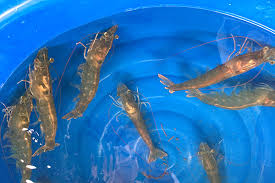
At the same time, researchers are advancing vaccine development for shrimp, a cornerstone of the global aquaculture industry. Shrimp farming provides livelihoods for millions of people and supplies a major source of seafood worldwide. However, disease outbreaks caused by viruses and bacterial infections have repeatedly affected shrimp farms, leading to substantial production losses and financial damage.
Innovative vaccine technologies are being explored to improve shrimp health and reduce vulnerability to major diseases. Scientists are investigating methods that stimulate immune responses and enhance disease resistance, helping farmers protect their stocks without relying heavily on antibiotics or other treatments.
Experts believe these developments could significantly improve sustainability within the aquaculture sector. Disease prevention measures can reduce mortality rates, increase production efficiency, and support environmentally responsible farming practices. Stronger disease control could also contribute to more stable seafood supplies and improved profitability for producers.
Despite the promising advances, researchers caution that widespread implementation will require further testing, regulatory approvals, and practical delivery methods. Ensuring that vaccination strategies are effective, affordable, and scalable remains a key challenge for both beekeeping and aquaculture industries.
Agricultural and veterinary experts view the expansion of vaccination technologies beyond traditional livestock as a major step forward in animal health innovation. As global food systems face increasing pressure from climate change, emerging diseases, and growing demand, protecting pollinators and aquaculture species has become increasingly important.
If successful, vaccination programs for honeybees and shrimp could help safeguard critical components of the world’s food supply chain, offering new tools to improve resilience, sustainability, and productivity across agriculture and aquaculture sectors.


 By
By











