

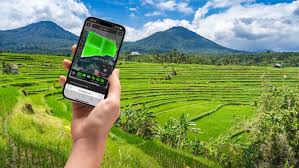
The adoption of artificial intelligence (AI) and digital technologies in agriculture is gaining momentum across the globe, with Indonesia emerging as a key player in promoting innovation-driven farming. The country’s National Research and Innovation Agency, known as National Research and Innovation Agency (BRIN), is actively encouraging the use of AI-powered solutions to reduce agricultural emissions, boost productivity, and strengthen resilience against climate change.
As agriculture faces increasing pressure from rising temperatures, extreme weather events, and growing food demand, policymakers and researchers are turning to advanced technologies to make farming more efficient and sustainable. Indonesia’s latest initiatives reflect a broader global trend toward climate-smart agriculture that combines data, automation, and scientific innovation.
According to BRIN officials, artificial intelligence can play a crucial role in helping farmers make better decisions by analyzing weather patterns, soil conditions, crop health, and water requirements. AI-driven systems can process large volumes of agricultural data in real time, enabling farmers to optimize the use of fertilizers, pesticides, and irrigation resources while minimizing environmental impact.
One of the primary goals of Indonesia’s digital agriculture strategy is to reduce greenhouse gas emissions from farming activities. Agriculture remains a significant source of emissions in many developing countries, particularly through inefficient fertilizer use, land-use changes, and methane emissions from rice cultivation. AI tools can help monitor these factors and recommend practices that improve efficiency while lowering emissions.
The technology is also expected to improve crop productivity. By using satellite imagery, drones, remote sensors, and predictive analytics, farmers can detect pest outbreaks, nutrient deficiencies, and disease risks before they become widespread problems. Early intervention can reduce crop losses and increase yields, contributing to stronger food security.
Climate resilience is another major focus of Indonesia’s initiative. Farmers increasingly face unpredictable rainfall patterns, droughts, floods, and extreme temperatures linked to climate change. AI-based forecasting systems can provide timely alerts and customized recommendations, helping farmers adapt their planting schedules and management practices to changing conditions.
Researchers believe that digital technologies can be particularly beneficial for smallholder farmers, who make up a large portion of Indonesia’s agricultural workforce. Mobile applications and cloud-based advisory platforms can deliver real-time information directly to farmers, improving access to knowledge and reducing the gap between scientific research and field-level implementation.
However, experts note that successful adoption will require significant investment in digital infrastructure, farmer training, and rural connectivity. Limited internet access and technological awareness remain challenges in many agricultural regions. Ensuring that small-scale farmers can effectively use these tools will be critical to achieving widespread benefits.
Indonesia’s efforts align with similar initiatives being implemented in countries across Asia, Europe, and the Americas, where governments and private companies are increasingly investing in precision agriculture and AI-driven farming solutions. The global market for agricultural AI technologies is expected to grow rapidly in the coming years as producers seek more efficient and sustainable production systems.
As climate pressures continue to intensify, the integration of artificial intelligence into agriculture is becoming more than just a technological advancement—it is emerging as a vital tool for securing future food production. Indonesia’s push for AI-powered farming highlights how innovation can help farmers increase productivity while addressing the environmental challenges facing modern agriculture.


 By
By











