

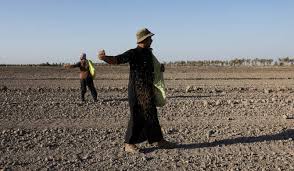
Iraq has reported a significant recovery in rice production following improved water availability and the easing of severe drought conditions that had affected the country’s agricultural sector in recent years. The rebound has provided much-needed relief to farmers and policymakers, raising hopes for greater food security and rural economic stability. However, experts caution that long-term climate challenges continue to pose a serious threat to sustainable agricultural growth.
The recovery comes after increased water flows in key river systems and improved rainfall patterns across several agricultural regions. Higher water availability has enabled farmers to expand rice cultivation areas that had previously been restricted due to drought and water shortages. Government support measures and improved irrigation management have also contributed to the sector’s revival.
Rice is one of Iraq’s most important food crops and plays a vital role in the country’s agricultural economy. In recent years, prolonged droughts, declining river water levels, and rising temperatures forced authorities to limit rice cultivation in many provinces. Thousands of farmers faced reduced harvests, while domestic rice supplies declined significantly.
Agricultural officials report that favorable weather conditions and better access to irrigation water have helped restore production levels during the current growing season. Farmers in major rice-producing regions have reported healthier crop development and improved yield prospects compared to previous years.
The recovery is particularly important for local communities that depend on rice farming as a primary source of income. Increased production is expected to support rural employment, strengthen local markets, and reduce dependence on imported rice. Officials believe that higher domestic output could also help stabilize food prices for consumers.
Despite the encouraging outlook, climate experts warn that Iraq remains one of the countries most vulnerable to climate change in the Middle East. Rising temperatures, increasing water scarcity, desertification, and unpredictable rainfall patterns continue to threaten agricultural productivity. The country’s dependence on transboundary river systems also makes water availability sensitive to regional climatic and geopolitical factors.
Experts emphasize that the recent improvement should not be viewed as a permanent solution to Iraq’s agricultural challenges. Instead, they stress the importance of investing in climate-resilient farming practices, modern irrigation technologies, and sustainable water management systems. Expanding the use of water-efficient crop varieties and improving irrigation infrastructure are considered essential for maintaining future production gains.
The Iraqi government is reportedly working on several initiatives aimed at strengthening agricultural resilience. These include upgrading irrigation networks, promoting efficient water use, and supporting farmers through training and technical assistance programs. Agricultural researchers are also exploring crop varieties better suited to hotter and drier conditions.
International organizations have welcomed Iraq’s agricultural recovery while encouraging continued investment in climate adaptation measures. They note that building resilience against future weather extremes will be critical for ensuring long-term food security and protecting farmer livelihoods.
As Iraq celebrates the rebound in rice production, policymakers and agricultural experts agree that sustained progress will depend on balancing immediate production gains with long-term climate adaptation strategies. While improved water availability has delivered a positive outcome this season, preparing for future climate risks remains a top priority for the country’s agricultural sector.


 By
By






 winpkrgamedownload says:





