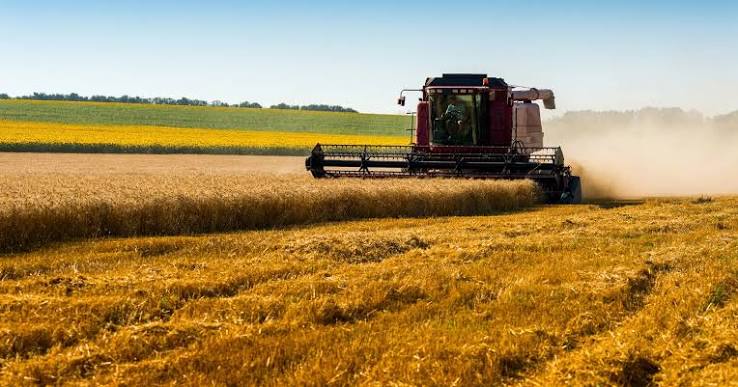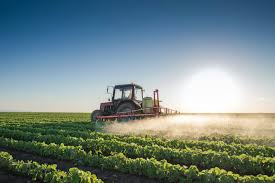
A growing body of scientific research is reinforcing the case for stronger policies that link biofuel production with climate-smart agricultural practices. Scientists and energy analysts are urging governments to prioritize low-carbon farming methods—such as no-till cultivation, cover cropping, and diversified rotations—when sourcing crops for biofuel manufacturing. They argue that pairing biofuel expansion with sustainable land management could substantially cut global carbon emissions in the years ahead.
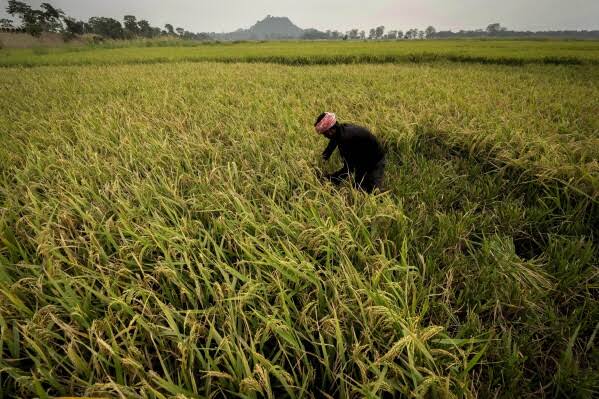
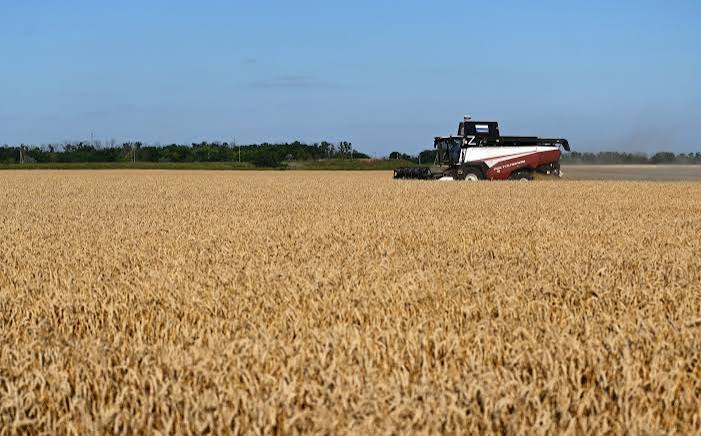
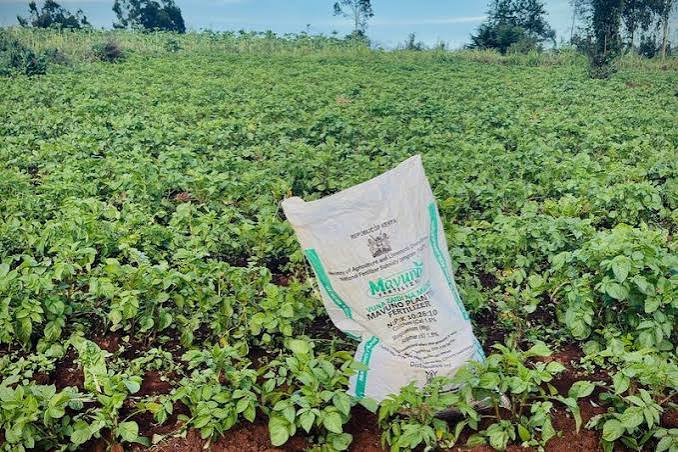
Biofuels have long been promoted as a cleaner alternative to fossil fuels. However, experts caution that without climate-friendly farming methods, their environmental benefits can be limited. Conventional cultivation of biofuel crops, including maize, sugarcane, soy, and oilseeds, often involves heavy tillage, fertilizer-intensive operations, and soil disturbance. These practices release greenhouse gases and degrade soil health, undermining the overall climate gains expected from biofuel use.
The new scientific recommendations emphasize that low-carbon farming has the potential to transform the biofuel sector’s footprint. Practices like no-till reduce soil erosion and keep carbon locked in the ground, while cover crops improve soil structure, enhance biodiversity, and increase carbon sequestration. When implemented together, these methods can significantly reduce net emissions associated with crop production—making the resulting biofuels far more climate-efficient.
Researchers also highlight the need for policy frameworks that reward farmers who adopt these measures. They argue that incentives should be built into national energy programs, carbon credit markets, and agricultural subsidy systems. By tying financial support to measurable improvements in soil carbon and reduced emissions, policymakers can encourage a shift away from high-impact conventional farming toward regenerative systems.
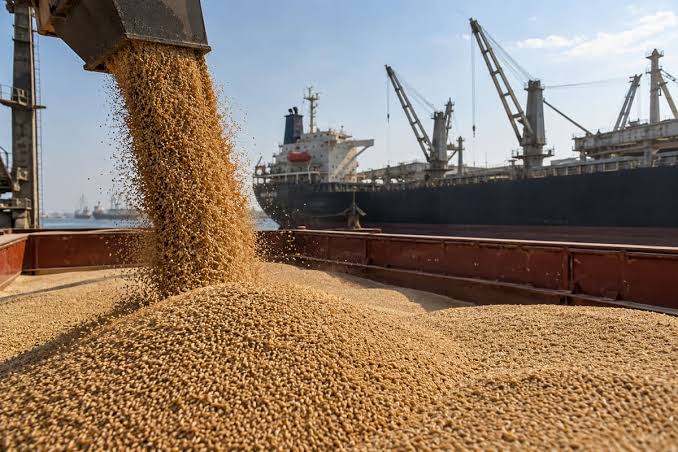
Several countries have begun exploring low-carbon fuel standards, but experts say existing regulations often overlook the full potential of agricultural improvements. Most current policies focus primarily on emissions produced during fuel processing and combustion, giving less weight to the farming practices that form the foundation of the supply chain. Scientists believe closing this policy gap is essential for maximizing the environmental benefits of biofuels.
Industry leaders have expressed growing interest in the approach, noting that climate-smart agriculture can also enhance long-term farm resilience. Healthier soils retain more moisture and nutrients, making crops less vulnerable to drought and extreme weather—an increasing concern as climate change intensifies.
The call for action comes at a pivotal moment as nations seek cleaner energy solutions to meet global climate targets. By aligning biofuel production more closely with sustainable farming, researchers argue the world can take a significant step toward reducing emissions while strengthening agricultural systems for the future.


 By
By