

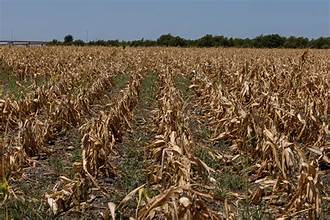
A widespread drought across the United States is placing significant strain on the nation’s agricultural sector, with more than half of its states experiencing dry conditions. The prolonged lack of rainfall is affecting major crops, reducing pasture availability for livestock, and contributing to rising food prices both domestically and globally.
Farmers across key agricultural regions are reporting declining yields in staple crops such as corn, wheat, and soybeans. Insufficient soil moisture has hampered crop growth, while extreme heat in some areas has further intensified the damage. In livestock-producing regions, shrinking water supplies and poor pasture conditions are forcing farmers to spend more on feed or reduce herd sizes, which could impact meat and dairy production in the coming months.
The drought’s impact is not limited to production alone. It is also driving up operational costs for farmers. With water becoming scarce, many producers are relying more heavily on irrigation systems, which increases fuel and electricity consumption. At the same time, already high prices for fertilizers and diesel are adding to the financial burden, squeezing profit margins and increasing economic stress in rural communities.
Experts warn that these combined pressures are likely to push food prices higher. Reduced supply of key commodities, coupled with increased production costs, typically translates into higher prices at the retail level. Consumers may begin to feel the effects through rising costs of grains, vegetables, meat, and dairy products.
The situation is further complicated by the interconnected nature of global food systems. The United States is one of the world’s largest exporters of agricultural commodities, and any disruption in its production can influence international markets. Lower output from U.S. farms could tighten global supplies, contributing to price volatility and food insecurity in import-dependent countries.
Agricultural analysts note that climate variability is playing an increasing role in such extreme weather events. The current drought underscores the growing vulnerability of farming systems to changing climate patterns, making it essential to invest in resilient agricultural practices, efficient water management, and drought-resistant crop varieties.
Government agencies and farming organizations are closely monitoring the situation and exploring relief measures to support affected farmers. Assistance programs, crop insurance, and emergency aid may help mitigate some of the financial losses, but long-term solutions will require structural changes in how agriculture adapts to climate risks.
As drought conditions persist, the outlook for the agricultural season remains uncertain. The coming months will be critical in determining the extent of crop losses and the overall impact on food prices. For now, both farmers and consumers are bracing for continued challenges as environmental and economic pressures converge on the food system.


 By
By











