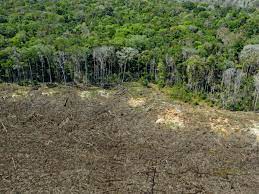
A new systems-level study has shed light on the complex relationship between rising global food demand, agricultural productivity, and deforestation, arguing that simply increasing yields through higher input use will not be enough to halt forest loss. The research suggests that a combination of demand-side changes—including reduced consumption of resource-intensive foods like meat—and strong land-protection policies will be essential to preventing further ecological degradation.
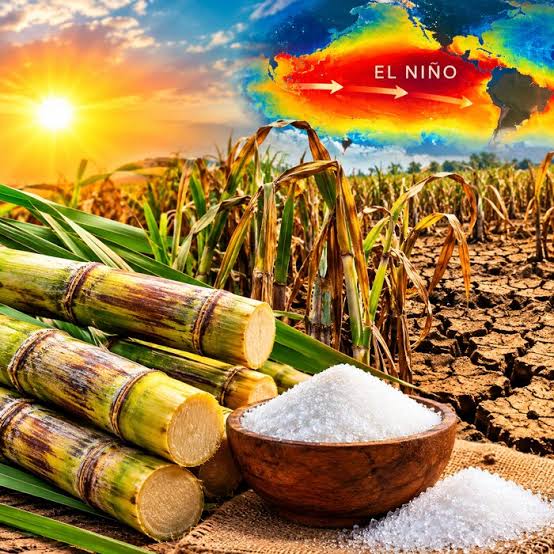
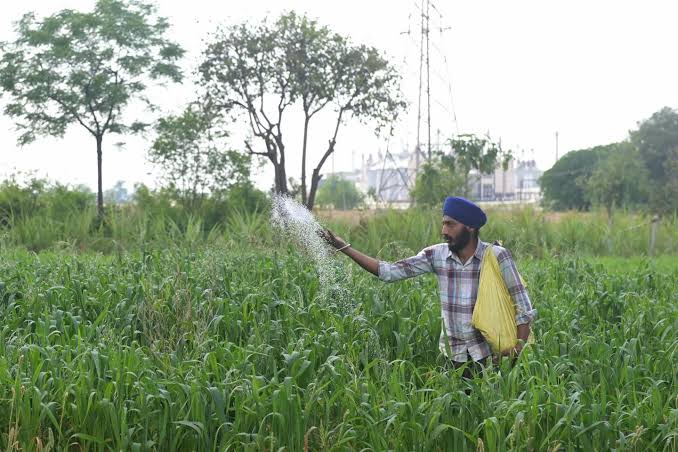
According to the study, global food demand is projected to rise sharply in the coming decades, driven by population growth, rising incomes, and shifts toward diets richer in animal proteins. These trends place significant pressure on agricultural systems, often pushing production into forested landscapes in regions such as the Amazon, Central Africa, and Southeast Asia. While increasing productivity through fertilizers, improved seeds, and better management can help reduce land expansion, the study emphasizes that this strategy alone cannot fully offset the growing demand for agricultural commodities.
One of the key findings is that livestock production, particularly beef, remains a major driver of deforestation due to the large land areas required for grazing and feed crops. Even with yield improvements, the land footprint of global meat consumption continues to expand, making forests vulnerable to conversion. The study argues that moderating meat demand—especially in high-consumption regions—could significantly reduce pressure on natural ecosystems.
In addition to dietary shifts, the researchers highlight the importance of robust land-protection measures, such as strict forest conservation laws, monitoring systems, and incentives for sustainable land use. Countries that have implemented strong enforcement mechanisms, including satellite surveillance and penalties for illegal clearing, have seen more success in slowing deforestation rates. However, inconsistent governance and weak institutions in many developing regions remain major challenges.
The study also notes the need for integrated policy-making. Agricultural development, climate goals, and conservation efforts often operate in silos, leading to trade-offs that undermine long-term sustainability. Coordinated strategies—such as promoting agroforestry, restoring degraded lands, and rewarding farmers for ecosystem services—can help balance food production with environmental protection.
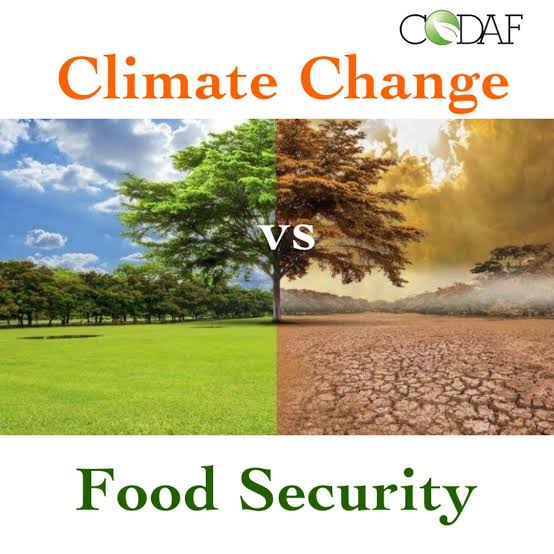
Overall, the findings underscore that preventing global deforestation requires more than improving farm productivity. A holistic approach that combines demand-side shifts, strong land governance, and sustainable agricultural practices is essential to protecting forests while meeting future food needs. As global debates on climate and food security intensify, the study provides a timely reminder that ecological and economic goals must be addressed together to ensure a sustainable future.

 By
By