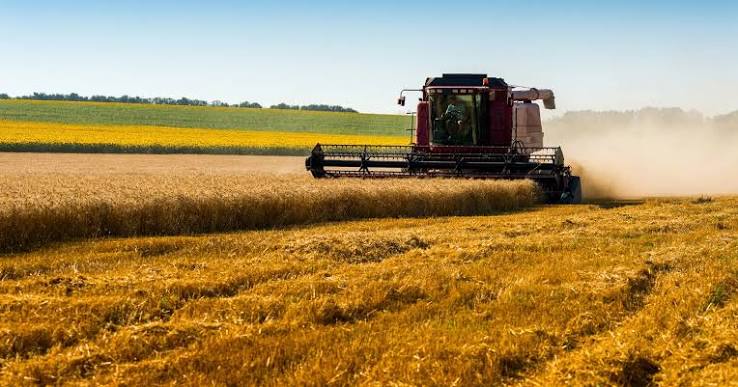
In a major move to reinforce national food security and ensure long-term agricultural stability, China has significantly increased its 2025 grain production budget. The government’s decision reflects a strategic push to achieve higher self-sufficiency amid growing concerns over global supply chain disruptions, climate challenges, and rising import costs.
According to the latest policy announcement from the Ministry of Agriculture and Rural Affairs, the expanded budget will focus on enhancing domestic grain output, modernizing agricultural infrastructure, and strengthening technological innovation in farming. This year’s increase is part of China’s broader plan to ensure “the rice bowl of the Chinese people remains firmly in their own hands” — a phrase that has become central to the country’s food security agenda.
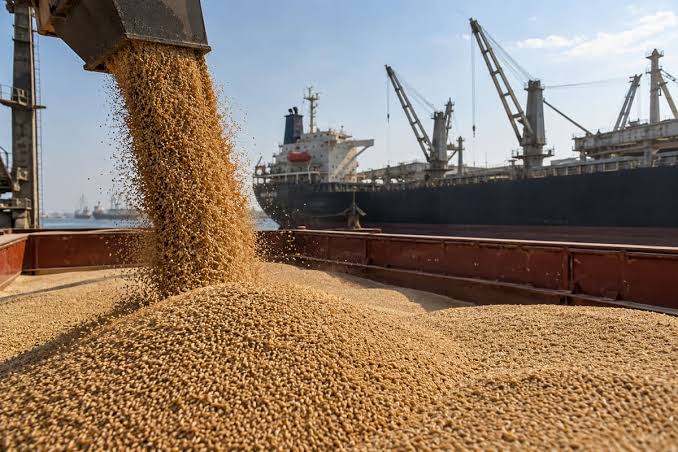
The 2025 plan prioritizes several key areas: improving the quality and productivity of farmland, investing in high-yield crop varieties, promoting water-efficient irrigation systems, and expanding grain storage capacity. Substantial funds will also be allocated for modern agricultural equipment, digital farming technologies, and training programs aimed at empowering farmers with scientific knowledge and climate-resilient practices.
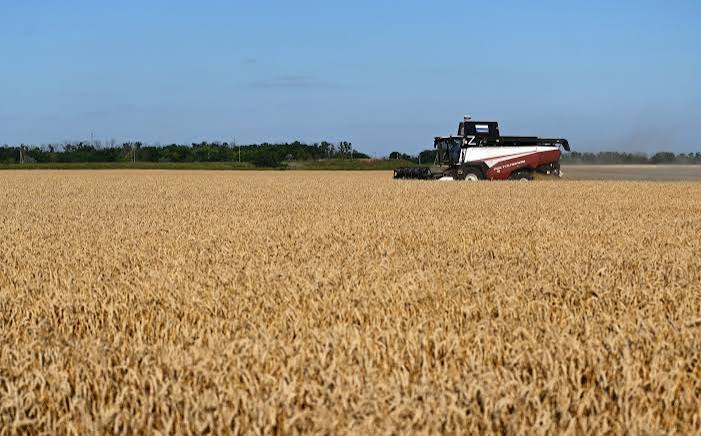
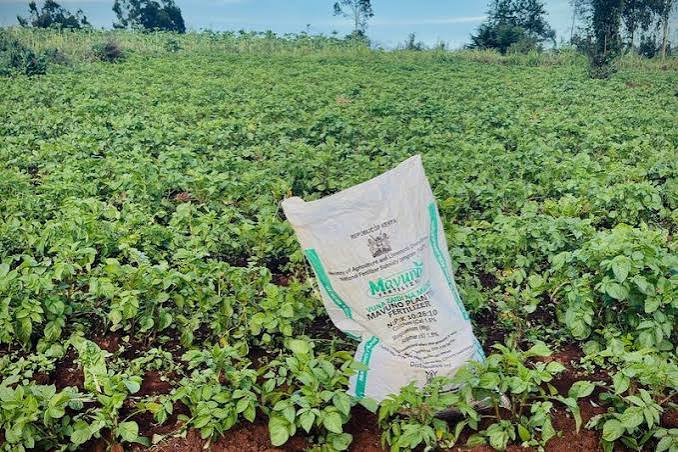
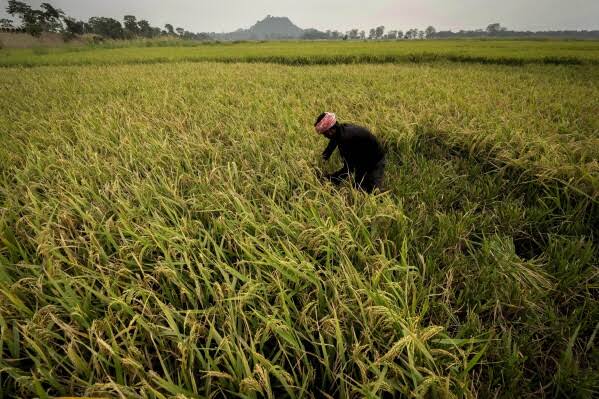
Officials emphasized that the initiative will strengthen production of staple grains such as rice, wheat, and corn, while also supporting research and development for new seed varieties capable of withstanding drought, pests, and temperature fluctuations. The government is also encouraging local authorities to step up policy implementation at the grassroots level, ensuring that subsidies, machinery, and financial assistance reach farmers effectively.
The move comes at a time when global grain markets remain volatile due to geopolitical tensions, fluctuating commodity prices, and climate-induced crop losses in several major exporting nations. China, as the world’s largest consumer of grains, has been working to reduce its reliance on imports and secure a stable domestic supply. By boosting its grain budget, the country aims to stabilize prices, strengthen rural livelihoods, and achieve greater self-reliance in essential food commodities.
Experts believe this budget increase signals China’s long-term commitment to food security and rural revitalization. “By investing more in agriculture, China is not only securing its grain reserves but also building resilience against external shocks,” said an agricultural economist from the Chinese Academy of Agricultural Sciences. “This policy will benefit farmers, promote innovation, and lay the foundation for a more sustainable and self-sufficient food system.”
With the 2025 grain strategy now in motion, China’s agriculture sector is set to undergo significant transformation — combining traditional farming strengths with modern science and technology. The renewed emphasis on self-sufficiency underscores Beijing’s determination to maintain food security as a cornerstone of national stability and economic growth.


 By
By