

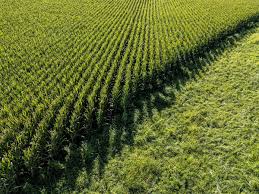
The United States Department of Agriculture has projected a decline in U.S. corn planting for 2026, estimating acreage at approximately 94 million acres. In contrast, soybean plantings are forecast to increase, signaling a potential shift in cropping patterns that could influence both domestic and global grain supply dynamics.
The anticipated reduction in corn area reflects changing market signals, including price relationships between corn and soybeans, input cost considerations, and rotational agronomy decisions. Corn production typically involves higher fertilizer and nitrogen requirements, and elevated input expenses may encourage some producers to pivot toward soybeans, which generally have lower variable costs and contribute to soil nitrogen balance.
An expansion in soybean acreage could lead to increased oilseed supplies, assuming normal weather conditions and trend yields. Strong global demand for soybean meal in livestock feed and soybean oil for renewable diesel production has supported favorable price outlooks relative to competing crops.
From a supply-demand perspective, lower corn acreage may tighten production potential if yield conditions do not offset the area decline. Corn remains a cornerstone commodity for feed, ethanol production, and export markets. Any reduction in harvested output could affect feed grain availability and price stability, particularly if global inventories remain sensitive to weather disruptions in major exporting countries.
Market analysts suggest that the acreage shift may also reflect evolving trade expectations and biofuel policy developments. Corn demand from the ethanol sector continues to play a critical role in price formation, while soybean markets benefit from diversified end-use channels.
If realized, the 2026 acreage adjustments could reshape balance sheets and influence futures markets, export competitiveness, and on-farm revenue projections. Producers, grain merchandisers, and international buyers will closely monitor planting progress and seasonal weather patterns as the outlook unfolds.


 By
By











