

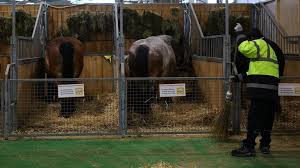
The government of France has lifted most of the cattle movement restrictions that were imposed to contain the spread of lumpy skin disease, providing relief to livestock producers and traders ahead of the country’s flagship agricultural exhibition in Paris.
The curbs, introduced as a precautionary biosecurity measure, had limited the transportation of cattle between regions and restricted participation in livestock markets and shows. Authorities implemented the controls to prevent further transmission of the viral disease, which primarily affects cattle and can lead to fever, nodules on the skin, reduced milk yield, and economic losses for farmers.
Officials said the decision to ease the restrictions follows improved epidemiological indicators and containment efforts, including surveillance, vaccination campaigns in affected zones, and strict farm-level hygiene protocols. Veterinary services will continue monitoring herds and maintaining targeted controls in high-risk areas, ensuring that the disease remains under control.
The timing is significant, coming just before the annual Paris farm show — one of Europe’s largest agricultural gatherings — where livestock exhibitions play a central role. Farmers and breeders had raised concerns that prolonged movement bans would disrupt trade contracts, breeding programs, and logistics linked to the event.
Agricultural unions welcomed the move, stating that the easing of restrictions will stabilize cattle supply chains and reduce logistical bottlenecks that had affected transporters and meat processors. However, authorities cautioned that biosecurity vigilance must remain high to avoid a resurgence of infections.
The decision reflects a calibrated approach: restoring commercial activity in the cattle sector while retaining the capacity to reintroduce targeted controls if new outbreaks emerge.


 By
By











