

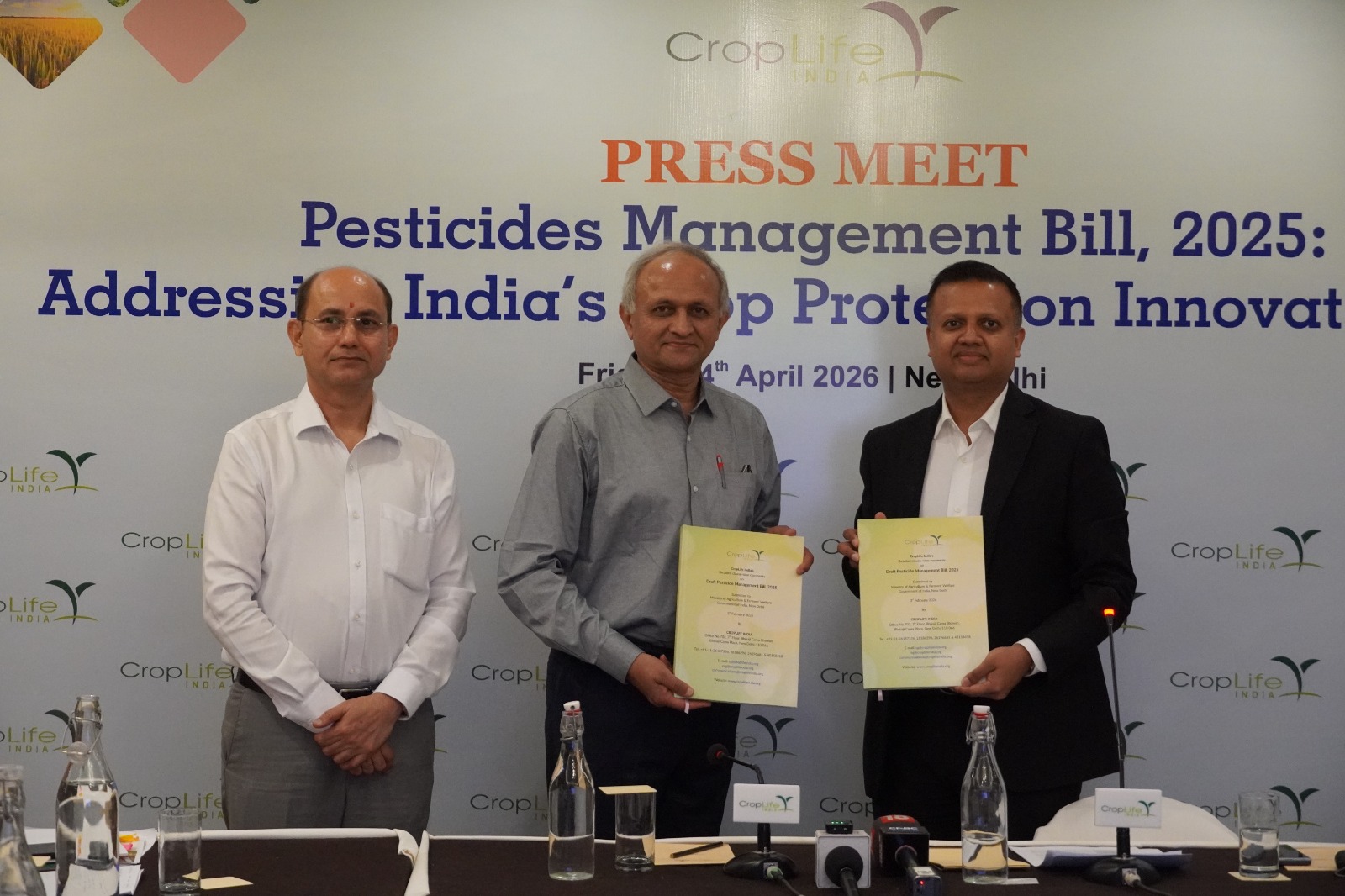
The proposed Pesticide Management Bill, 2025 has sparked significant discussion within India’s agriculture sector, with CropLife India hosting a detailed media interaction to present its recommendations. The industry body emphasized the need for a balanced, science-driven, and transparent regulatory framework to ensure safe pesticide use while encouraging innovation and investment.
During the interaction, CropLife India outlined a comprehensive roadmap addressing key aspects such as regulatory digitization, scientific evaluation, data protection, and clearer norms for pesticide sales on e-commerce platforms. According to the organization, incorporating these recommendations into the bill would not only safeguard farmers but also strengthen the overall agricultural ecosystem.
A major focus area was regulatory data protection. CropLife India highlighted that companies invest heavily in generating safety, efficacy, and environmental impact data for new pesticide registrations. To protect this intellectual investment, the organization proposed a minimum five-year data protection framework. This, it argued, would incentivize research and development (R&D) and promote the introduction of advanced crop protection technologies.
The organization also raised concerns about provisional registrations, suggesting they should be granted only in genuine emergency situations and for limited durations. It stressed that such temporary approvals must not replace rigorous scientific evaluation. Furthermore, any decision regarding banning, reviewing, or withdrawing pesticides should be based on a robust scientific process involving expert consultation and defined timelines.
On the issue of quality assurance, CropLife India underlined the importance of accredited laboratories. It recommended that both public and private laboratories be recognized, provided they undergo regular third-party audits to ensure impartiality and reliability. This step would enhance transparency and maintain high testing standards.
Welcoming the bill’s push toward digitization, the organization supported the move to digitize processes such as registration, licensing, inspection, and record-keeping. However, it also called for clearly defined timelines and standardized procedures to improve coordination between regulators and industry stakeholders.
E-commerce emerged as another critical area of concern. CropLife India noted that the current draft lacks sufficient clarity on the online sale of pesticides. It recommended strict verification of licensed sellers, product traceability mechanisms, proper digital transaction records, and enforcement provisions for violations. The organization even suggested adding a dedicated chapter in the bill to address e-commerce regulations comprehensively.
The industry body also proposed improvements to emergency provisions. It recommended that any temporary ban on a pesticide should be limited to 60–120 days, during which a scientific review must be conducted. Prolonged uncertainty, it warned, could negatively impact both farmers and the industry.
Accountability and liability were also key themes. CropLife India called for clearly defined responsibilities for pesticide inspectors and analysts, drawing parallels with frameworks under food safety and drug laws. It also emphasized the need to identify responsible individuals within companies to ensure accountability in case of violations.
Importantly, the organization advocated for uniform scientific standards across all types of pesticides—whether chemical or biological. This would ensure consistency in quality, safety, and effectiveness. Strengthening the role of independent expert committees in decision-making was also highlighted as essential for maintaining credibility.
According to CropLife India, adopting these recommendations would directly benefit farmers by ensuring access to safe, effective, and high-quality crop protection products. Additionally, a robust regulatory system could boost investment in agri-innovation and position India as a global leader in agricultural technology.
As a consortium representing 17 research-based crop protection companies and nearly 70% of India’s pesticide market, CropLife India reiterated its commitment to sustainable agriculture. The discussions around the Pesticide Management Bill, 2025 indicate a growing consensus on the need for a modern, transparent, and science-based regulatory regime that supports both farmer welfare and industry growth.


 By
By











