

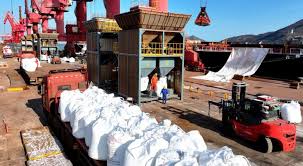
A growing fertilizer supply crisis is putting pressure on farmers worldwide as disruptions in key shipping routes continue to affect global trade. Industry analysts report that logistical challenges in the Middle East, particularly around the strategically important Strait of Hormuz, have contributed to a sharp increase in fertilizer prices, raising concerns about agricultural production costs ahead of major planting seasons.
The Strait of Hormuz serves as one of the world’s most critical maritime corridors, facilitating the movement of energy products and industrial commodities between the Middle East and international markets. Any disruption in this region can have far-reaching consequences for global supply chains, including the fertilizer sector, which relies heavily on efficient transportation networks.
Fertilizer Prices Climb Across Major Markets
Prices of key fertilizers such as urea, diammonium phosphate (DAP), potash, and ammonia have recorded significant increases in recent weeks. Market participants cite higher freight costs, shipping delays, and uncertainty in international trade routes as major factors behind the price surge.
Several fertilizer-exporting countries depend on maritime transport through the Gulf region. As shipping companies face increased operational risks and higher insurance costs, transportation expenses have risen considerably. These additional costs are being passed on throughout the supply chain, ultimately affecting distributors and farmers.
Agricultural commodity traders note that fertilizer markets were already facing tight supply conditions due to fluctuating energy prices and production constraints in some manufacturing regions. The latest logistical disruptions have further intensified market concerns.
Farmers Face Higher Production Costs
The rising cost of fertilizers is creating significant challenges for farmers preparing for upcoming planting seasons. Fertilizers account for a substantial portion of crop production expenses, particularly for major crops such as corn, wheat, rice, soybeans, and oilseeds.
Farmers in Asia, Africa, Europe, and Latin America are reporting increased input costs, forcing many to reassess their planting budgets. In some cases, growers may reduce fertilizer application rates to manage expenses, a move that could potentially impact crop yields if nutrient requirements are not adequately met.
Agricultural economists warn that sustained fertilizer inflation could reduce profit margins, especially for small and medium-sized farmers who have limited capacity to absorb rising input costs.
Potential Impact on Global Food Production
Higher fertilizer prices could have broader implications for global food production and food security. Fertilizers play a critical role in maintaining crop productivity, and any reduction in usage could affect harvest outcomes in key agricultural regions.
Experts suggest that if supply disruptions persist during peak planting periods, global grain and oilseed production could face additional risks. Lower crop yields, combined with already elevated food prices in some markets, may contribute to further inflation across the agricultural sector.
Food-importing nations could be particularly vulnerable, as rising production costs often translate into higher prices for consumers.
Industry and Governments Monitor Situation Closely
Governments, fertilizer manufacturers, and agricultural organizations are closely monitoring developments in global shipping networks. Some countries are exploring alternative supply routes and strategic inventory management to reduce the impact of transportation disruptions.
Industry leaders are also urging greater investment in domestic fertilizer production and diversified sourcing strategies to strengthen long-term supply chain resilience. While global fertilizer supplies remain available, market participants expect continued volatility as geopolitical tensions and logistical challenges influence international trade.
As farmers prepare for critical planting periods in various regions, the availability and affordability of fertilizers will remain a key factor shaping agricultural production and food market trends throughout the year.


 By
By











