

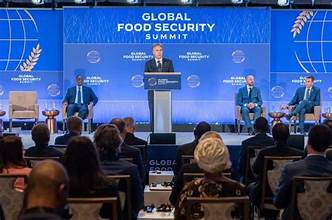
International organizations are continuing to raise concerns about food security in many developing countries, where rising costs of food, energy, and agricultural inputs are placing significant pressure on households, farmers, and national economies. Despite improvements in food production in some regions, millions of people remain vulnerable to hunger and malnutrition due to economic and supply-related challenges.
Experts note that high food prices have reduced purchasing power for low-income families, making it more difficult to access nutritious diets. At the same time, elevated energy costs have increased transportation and production expenses throughout the food supply chain, contributing to higher consumer prices.
Farmers in many developing nations are also facing the burden of expensive fertilizers and other essential agricultural inputs. Higher production costs can limit crop yields and reduce farm profitability, particularly for smallholder producers who often have limited financial resources. As a result, agricultural output in some regions may remain below its full potential.
International agencies warn that countries heavily dependent on food imports are especially vulnerable to fluctuations in global commodity markets. Any disruptions to trade, adverse weather events, or supply shortages can quickly affect local food availability and affordability.
To address these challenges, governments and development organizations are expanding efforts to strengthen agricultural productivity, improve access to farm inputs, and support vulnerable communities through food assistance and social protection programs. Investments in climate-resilient agriculture, irrigation infrastructure, and modern farming technologies are also being promoted as long-term solutions to improve food security.
Analysts emphasize that global cooperation will remain essential in tackling the complex factors affecting food systems. Ensuring stable food supplies, supporting farmers, and reducing the impact of economic shocks are considered critical steps toward improving food security and building more resilient agricultural sectors.
As food demand continues to grow worldwide, policymakers and international institutions are working to develop sustainable strategies that can help developing nations overcome current challenges while safeguarding future food availability.


 By
By











