• Home
  • AGRI STORY
  • North American Livestock Industry Intensifies Response to Screwworm Threat
Image

North American Livestock Industry Intensifies Response to Screwworm Threat

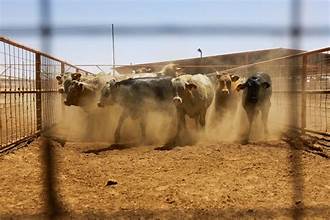
Livestock authorities in North America are strengthening surveillance and control measures following concerns over the spread of the New World screwworm, a highly destructive parasite that poses a serious risk to cattle and other livestock. Recent detections in Texas have prompted a rapid response from animal health agencies as they work to prevent the pest from becoming established and threatening agricultural production.

The New World screwworm is a parasitic fly whose larvae feed on the living tissue of warm-blooded animals. Infested animals can suffer severe wounds, infections, weight loss, reduced productivity, and, in severe cases, death if treatment is delayed. The parasite is considered one of the most economically damaging livestock pests due to its ability to spread quickly and affect large numbers of animals.

Federal and state authorities have increased monitoring efforts, including livestock inspections, movement controls, and public awareness campaigns aimed at ranchers and veterinarians. Early detection is viewed as critical to preventing wider outbreaks and minimizing economic losses to the livestock sector.

The cattle industry is particularly vulnerable because infestations can reduce animal health, lower production efficiency, and increase veterinary and management costs. Experts warn that any significant spread of the parasite could disrupt beef production and create challenges for livestock producers across affected regions.

Animal health specialists are encouraging farmers and ranchers to regularly inspect animals for unusual wounds or signs of infestation and to report suspected cases immediately. Rapid treatment and containment measures are essential for limiting the impact of the pest.

The renewed focus on screwworm prevention highlights the importance of strong biosecurity systems and coordinated pest management strategies. Governments, livestock organizations, and veterinary services are working together to protect animal health and maintain the stability of the livestock industry.

As monitoring efforts continue, authorities remain confident that early intervention and established control programs can help prevent the parasite from causing widespread damage to North America’s cattle sector and broader agricultural economy.


Releated Posts

Investment in Precision Agriculture and Agritech Continues to Grow Worldwide

The global agriculture sector is witnessing a steady rise in investment in advanced technologies as farmers, agribusinesses, and…

ByByadmin Jun 8, 2026

Global Grain Markets Remain Under Pressure Amid Supply and Weather Uncertainty

Global grain markets continue to experience heightened volatility as traders and agricultural stakeholders respond to changing weather patterns,…

ByByadmin Jun 8, 2026

BRICS Nations Strengthen Agricultural Trade Cooperation to Enhance Food Security

Agricultural cooperation is emerging as a key priority among BRICS nations as member countries seek to strengthen food…

ByByadmin Jun 8, 2026

Food Security Challenges Persist Across Developing Nations

International organizations are continuing to raise concerns about food security in many developing countries, where rising costs of…

ByByadmin Jun 8, 2026

El Niño Threat Raises ConEl Niño Threat Raises Concerns for Global Crop Productioncerns for Global Crop Production

Climate scientists are closely monitoring weather patterns as signs point to the possible development of a stronger El…

ByByadmin Jun 8, 2026

Australia Forecasts Smaller Wheat Harvest Amid Dry Conditions

Australia is expected to produce a smaller wheat crop in the 2026/27 season, with industry forecasts indicating the…

ByByadmin Jun 8, 2026

Global Wheat Supplies Expected to Tighten as Production Forecasts Decline

Global wheat supplies are likely to face increased pressure during the 2026/27 season as lower production forecasts emerge…

ByByadmin Jun 8, 2026

Global Food Prices Stay Elevated Despite Slight May Decline

Global food prices remained at relatively high levels in May 2026, even as international markets recorded a modest…

ByByadmin Jun 8, 2026

Climate-Resilient Agriculture Gains Momentum as Investments Accelerate Worldwide

Governments, agricultural research institutions, and international development organizations are significantly increasing investments in climate-resilient agriculture as farmers face…

ByByadmin Jun 3, 2026

Leave a Reply

Your email address will not be published. Required fields are marked *

error: Content is protected !!
Scroll to Top












