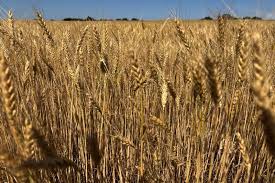
The U.S. Department of Agriculture (USDA) has lowered its forecast for U.S. winter wheat production, citing the impact of prolonged drought conditions across key growing regions in the Great Plains. The revised outlook has renewed concerns about tightening global wheat supplies and could contribute to increased price volatility in international grain markets.
Winter wheat is one of the most important cereal crops produced in the United States, accounting for a significant share of domestic consumption and export volumes. However, persistent dry weather, below-average rainfall, and elevated temperatures in several wheat-producing states have negatively affected crop development, reducing yield expectations ahead of harvest.
According to the latest agricultural outlook, moisture deficits during critical growth stages limited plant vigor and grain filling in parts of Kansas, Oklahoma, Texas, and neighboring regions. Although some areas received scattered rainfall, it was insufficient to fully reverse the effects of months of drought stress on the crop.
The downward revision in production comes at a time when global grain markets are already facing uncertainty from weather-related challenges in several exporting countries. Lower U.S. output could reduce export availability and increase competition among importing nations seeking reliable wheat supplies for food processing and livestock feed.
Market analysts note that wheat is a staple food for billions of people worldwide, making changes in production forecasts closely watched by governments, traders, and food manufacturers. A decline in available supplies can influence international prices and affect countries that depend heavily on imported grain to meet domestic demand.
Farmers across the U.S. Plains have faced a difficult growing season marked by fluctuating weather conditions and rising production costs. Limited soil moisture not only affected crop yields but also raised concerns about long-term soil health and water availability. Producers continue to monitor local conditions as harvesting progresses, hoping that quality losses remain limited despite reduced volumes.
The revised forecast may also have implications for related agricultural markets. Flour millers, feed manufacturers, and food processors could encounter higher procurement costs if supplies tighten further. In turn, consumers may eventually experience price increases for products such as bread, pasta, cereals, and baked goods, depending on market conditions and regional demand.
Despite the weaker outlook, the United States remains one of the world’s leading wheat producers and exporters. Industry experts emphasize that final production figures will depend on harvest results, grain quality assessments, and weather conditions during the remaining weeks of the season. Any favorable developments could partially offset current concerns, while additional adverse weather may further reduce output.
Agricultural economists also point to the importance of climate resilience in future wheat production. Investments in drought-tolerant varieties, improved irrigation systems, precision farming technologies, and soil conservation practices could help producers better manage increasingly variable weather patterns.
International buyers are expected to closely monitor U.S. harvest progress alongside crop conditions in other major exporting countries. Global wheat prices often respond quickly to changes in production estimates, particularly when inventories are already under pressure or multiple regions experience unfavorable weather simultaneously.
As the harvest season continues, policymakers, grain traders, and food industry stakeholders will be watching updated supply and demand estimates to assess their impact on trade flows, market stability, and global food security. The USDA’s revised forecast serves as a reminder of how weather events in a single major producing region can influence agricultural markets and food systems around the world.


 By
By