

Farmers across parts of Europe are witnessing a dramatic shift in agricultural timelines as severe drought and unusually high temperatures force crops to mature earlier than expected. In Slovakia, growers have begun harvesting barley and peas at the earliest recorded dates, highlighting the growing impact of climate change on European agriculture.
Agricultural experts say the unprecedented early harvests are a direct consequence of prolonged dry weather and persistent heat waves that have affected much of Central and Eastern Europe during the 2026 growing season. While warmer temperatures can initially accelerate crop development, prolonged heat stress and lack of moisture often reduce yields and compromise crop quality.
Farmers in Slovakia reported that barley and pea crops reached maturity several weeks ahead of their traditional harvest schedules. Many producers were compelled to begin harvesting earlier to prevent further losses caused by deteriorating field conditions. Similar trends are being observed in neighboring countries, where crops are developing at a faster pace than historical averages.
Climate scientists view the development as another clear indicator of how global warming is reshaping agricultural calendars across Europe. Rising temperatures are altering planting and harvesting periods, increasing the frequency of extreme weather events, and creating new challenges for farmers attempting to adapt to changing environmental conditions.
“Traditional farming calendars that have guided agricultural operations for generations are becoming less reliable,” agricultural analysts noted. “Farmers are increasingly being forced to adjust their practices in response to unpredictable weather patterns and shifting seasonal conditions.”
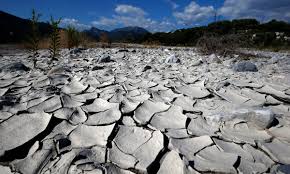
The early harvests come amid growing concerns over water scarcity across Europe. Several regions have experienced below-average rainfall during critical crop growth stages, leaving fields dry and reducing soil moisture reserves. Combined with repeated heat waves, the drought conditions have placed significant stress on cereals, legumes, and other key crops.
Barley, one of Europe’s major grain crops, is particularly important for livestock feed and the brewing industry. Lower yields resulting from drought conditions could impact supply chains and increase production costs. Pea growers are also reporting concerns over reduced productivity, with some fields producing smaller harvests than expected.
Agricultural organizations and policymakers are closely monitoring the situation, as climate-related disruptions become more frequent across the continent. Recent years have seen a succession of extreme weather events, including droughts, floods, heat waves, and late frosts, all of which have affected agricultural output in various regions.
Experts emphasize that adaptation will be essential for the future of European farming. Strategies such as drought-resistant crop varieties, improved irrigation systems, precision agriculture technologies, and better water management practices are increasingly being promoted to help farmers cope with changing climate conditions.
The European Union has also intensified discussions on climate resilience within the agricultural sector, recognizing the need to protect food production systems from growing environmental risks. Investments in research, innovation, and sustainable farming practices are expected to play a crucial role in ensuring long-term agricultural stability.
As harvesters move through fields weeks earlier than usual, Slovakia’s record-breaking barley and pea harvests serve as a powerful reminder of the challenges facing modern agriculture. For many experts, the situation underscores the urgent need to adapt farming systems to a future where climate change continues to redefine the rhythm of agricultural production across Europe.


 By
By











